
Navigating the landscape of pregnancy often feels like walking through a minefield of “do’s” and “don’ts,” especially when it comes to managing physical discomfort. From the aching joints of the second trimester to the persistent headaches that can accompany hormonal fluctuations, the need for pain relief is a common reality for many expectant mothers. However, the stakes are elevated because every medication taken during pregnancy has the potential to cross the placenta. Understanding the pharmacological profile of common analgesics is not just a matter of convenience; it is a critical component of prenatal health and informed decision-making.
Evaluating Analgesic Safety Profiles
When discussing pain relief during pregnancy, the medical community relies on the FDA’s pregnancy category system, though the nuances of individual health histories often dictate the final recommendation. The primary goal is always to minimize fetal exposure while maintaining maternal comfort and well-being.
The Role of Acetaminophen
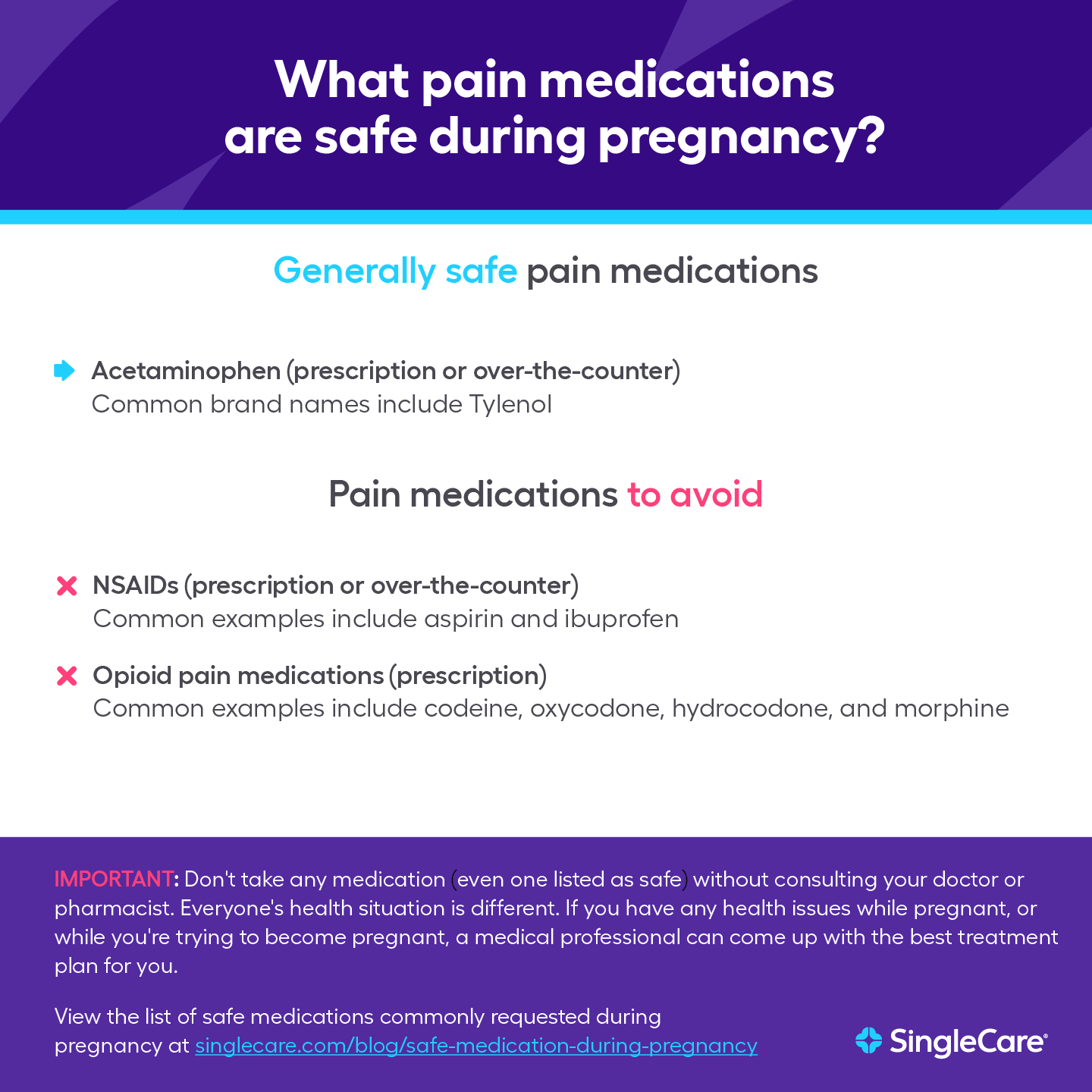
Acetaminophen, widely marketed as Tylenol, is currently the gold standard for pain relief and fever reduction during pregnancy. For decades, it has been considered the safest option across all three trimesters when used at the lowest effective dose for the shortest duration necessary. Unlike other over-the-counter options, acetaminophen does not share the same mechanism of action as non-steroidal anti-inflammatory drugs (NSAIDs), which makes it less likely to impact the fetal ductus arteriosus—a vital blood vessel in the heart that must remain open until birth.
Despite its status as the “go-to” medication, practitioners emphasize that it is not entirely without scrutiny. Recent longitudinal studies have prompted ongoing conversations regarding the impact of long-term or high-dose usage on fetal development. Consequently, the consensus remains: use it when needed for acute pain, but avoid it for chronic, low-level discomfort where non-pharmacological interventions might suffice.
The Risks of NSAIDs
Non-steroidal anti-inflammatory drugs (NSAIDs), including ibuprofen (Advil, Motrin) and naproxen (Aleve), represent a distinct class of medication that requires significant caution during pregnancy. These medications work by inhibiting prostaglandins, which are chemicals in the body that promote inflammation and pain.
During the third trimester, the risks associated with NSAIDs become acute. The inhibition of prostaglandins can lead to the premature closure of the fetal ductus arteriosus, a condition that can cause life-threatening pulmonary hypertension in the newborn. Additionally, NSAIDs can affect the amniotic fluid levels (oligohydramnios) and complicate labor and delivery by altering platelet function, which may increase the risk of maternal hemorrhage. Most obstetricians recommend avoiding these medications entirely after 20 weeks gestation, and many advise against them in the first trimester unless specifically directed by a specialist to manage underlying maternal conditions.
Non-Pharmacological Strategies for Pain Management
While medication serves a purpose, the safest way to manage pain during pregnancy is often to avoid pharmaceutical intervention altogether. By utilizing physical therapy, ergonomic adjustments, and holistic practices, many women find relief without ever reaching for a pill bottle.
Ergonomics and Physical Support
As the body changes shape and the center of gravity shifts, the musculoskeletal system undergoes immense stress. Lower back pain, often caused by the loosening of ligaments due to the hormone relaxin, can be mitigated through proper support. The use of a pregnancy support belt can distribute the weight of the abdomen, alleviating the pressure on the lower lumbar spine. Similarly, sleep hygiene becomes paramount; utilizing body pillows to maintain alignment between the hips and shoulders can prevent the morning stiffness that often leads women to seek pain medication upon waking.

Holistic and Manual Therapies
Physical therapy specifically designed for prenatal patients is an underutilized but highly effective tool. A certified physical therapist can teach exercises to strengthen the pelvic floor and core, which stabilizes the spine and reduces the compensatory pain patterns that develop during pregnancy. Furthermore, prenatal massage and chiropractic care, when performed by practitioners specialized in obstetric health, provide relief from muscular tension and joint dysfunction. These therapies address the root cause of the discomfort rather than masking the symptoms, offering a sustainable path for managing pain throughout the final weeks of gestation.
Navigating Chronic Conditions and Specialized Care
Some women enter pregnancy with pre-existing conditions that necessitate ongoing pain management. In these instances, the conversation shifts from “what is safe” to “what is the safest option given the clinical necessity.”
Managing Migraines and Chronic Nerve Pain
Migraines often fluctuate during pregnancy. While some women experience a reprieve due to hormonal changes, others see an increase in frequency and intensity. When acetaminophen is insufficient, neurologists may consider secondary options such as certain magnesium supplements or, in extreme cases, specific anti-nausea medications that have established safety records. The key is to avoid “rebound headaches” caused by the overuse of medication, which is why a multi-modal approach—incorporating hydration, electrolyte balancing, and stress reduction—is essential.
When to Consult a Specialist
There is no substitute for a direct consultation with an obstetrician or a maternal-fetal medicine specialist. General medical advice found online or through anecdotal evidence cannot account for an individual’s blood pressure history, existing organ function, or the specific developmental milestones of the fetus. If a patient finds herself requiring consistent pain relief, it is a clinical indicator that necessitates a formal evaluation.
Clinicians can offer access to medications that are not available over the counter, such as specific nerve pain modulators or localized injections, which may offer significant relief with lower systemic exposure to the fetus. The goal of the specialist is to prevent the maternal stress response—which is harmful to both mother and baby—by providing a stable, regulated plan for pain management that balances the risks and benefits of every intervention.
The Importance of Informed Consent and Vigilance
The final, and perhaps most important, aspect of managing pain during pregnancy is the practice of informed consent. This means not only understanding what a medication is but why it is being prescribed and what the available data says about its safety profile.
Reading Labels and Avoiding Combinations
Many over-the-counter “multi-symptom” cold and flu medications contain a cocktail of ingredients, including decongestants (like pseudoephedrine), antihistamines, and even small doses of NSAIDs. It is critical for expectant mothers to read labels carefully. Many of these combination products contain ingredients that are not recommended during pregnancy. As a rule of thumb, it is better to treat a specific symptom (e.g., a headache) with a single-ingredient medication (e.g., acetaminophen) rather than reaching for a combination product that introduces multiple variables into the bloodstream.

Tracking and Documentation
Maintaining a pain log is an excellent way to prepare for prenatal visits. By tracking the time of day the pain occurs, the intensity, and the triggers, a woman can help her healthcare provider identify patterns. For example, if pain consistently occurs in the afternoon, it may be linked to dehydration or fatigue, allowing the provider to suggest increased fluid intake or rest intervals instead of medication. This proactive approach turns the patient from a passive recipient of advice into an active participant in her own health management.
Pregnancy is a transient, albeit intense, period of physical transformation. While the presence of pain can feel overwhelming, it is manageable through a combination of cautious, evidence-based medication use and a robust framework of non-pharmacological support. By prioritizing the guidance of qualified professionals and maintaining a skeptical eye toward unverified remedies, expectant mothers can navigate this phase with the peace of mind that they are making the safest choices for themselves and their growing families.
aViewFromTheCave is a participant in the Amazon Services LLC Associates Program, an affiliate advertising program designed to provide a means for sites to earn advertising fees by advertising and linking to Amazon.com. Amazon, the Amazon logo, AmazonSupply, and the AmazonSupply logo are trademarks of Amazon.com, Inc. or its affiliates. As an Amazon Associate we earn affiliate commissions from qualifying purchases.