
For decades, Pat Sajak has been an indelible part of American television, the steady, affable host of Wheel of Fortune. His tenure, spanning over four decades, has made him a household name synonymous with word puzzles, spinning wheels, and that iconic cash prize. But long before he was asking contestants to “solve the puzzle,” Sajak carved out a significant career in broadcasting, a journey that offers fascinating insights into the world of media, brand building, and even a touch of the entrepreneurial spirit that resonates with our understanding of the money and tech landscapes.
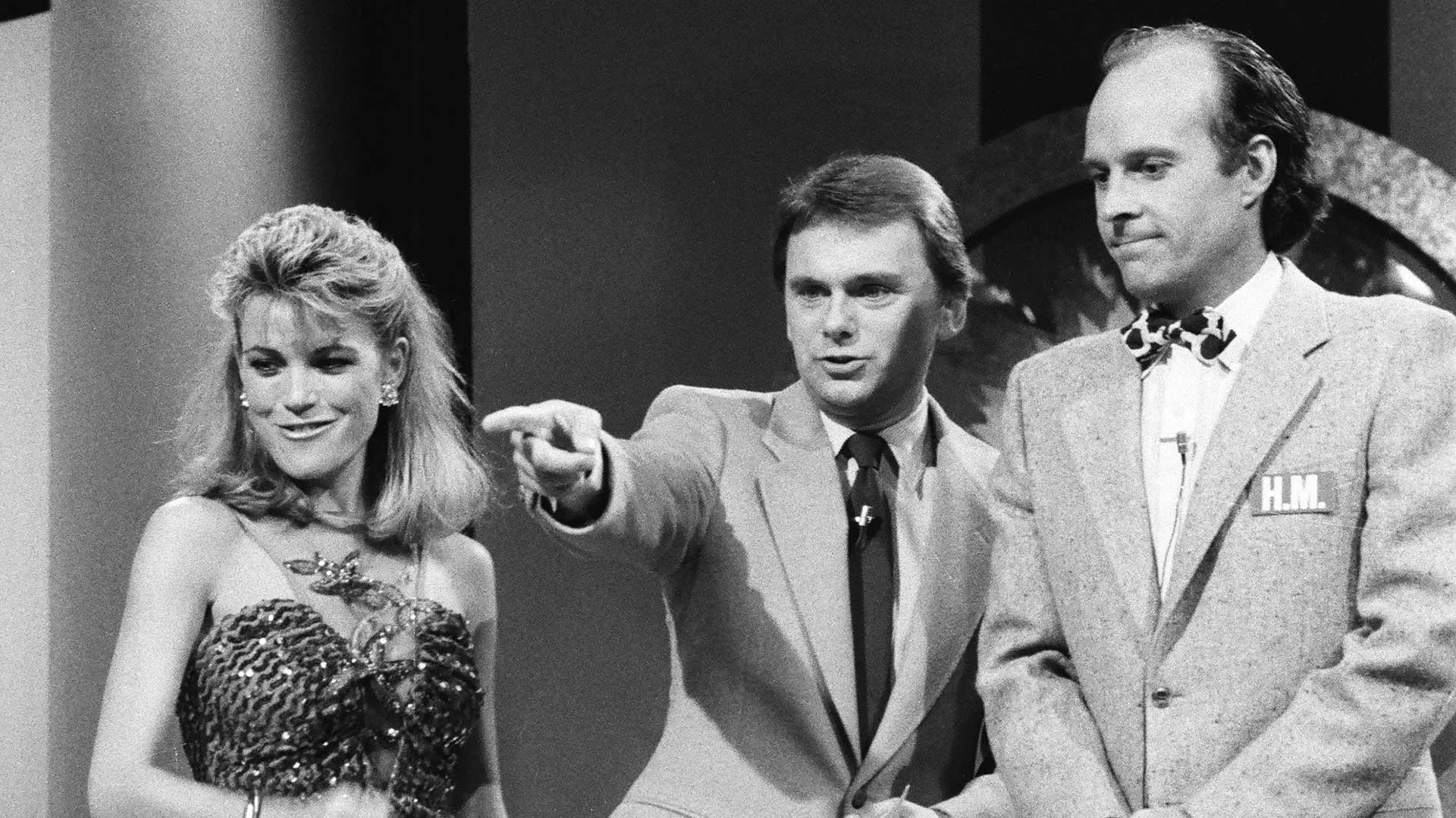
While the glitz and glamour of Wheel of Fortune might overshadow his earlier endeavors, a closer look at Pat Sajak’s pre-Wheel life reveals a seasoned professional with a diverse skillset and a drive that predates his most famous role. His experiences in radio and local television laid the groundwork for his eventual superstardom, demonstrating the power of consistent performance, adapting to new technologies, and building a relatable personal brand.
From Radio Waves to Local Screens: The Early Broadcasting Journey
Pat Sajak’s career began not in front of a national television audience, but rather in the bustling world of radio. This foundational experience proved invaluable, shaping his communication style and his ability to connect with listeners in real-time.
The Genesis in Radio: Mastering the Airwaves
Born Patrick Leonard Sajdak, his early foray into the media world was in his hometown of Chicago. After graduating from Columbia College Chicago with a degree in broadcast journalism, Sajak quickly found his footing in radio. This was a critical period for honing his vocal delivery, his quick wit, and his ability to ad-lib – skills that would serve him exceptionally well in the unscripted moments of game show hosting.
Radio in the 1960s and 70s was a dominant force, demanding versatility from its personalities. Sajak worked at various stations, gradually building his reputation as a skilled announcer and DJ. This era was characterized by a more personal connection between broadcasters and their audiences. Radio personalities were often the soundtrack to people’s lives, sharing music, news, and commentary. Sajak’s success in this environment points to his early talent for engaging a broad demographic, a core element of any successful brand. He learned to be comfortable speaking extemporaneously, a skill crucial for navigating the unpredictable nature of live television and, of course, a game show where contestant interactions can take unexpected turns.
His radio work wasn’t just about playing music; it involved crafting narratives, delivering news with clarity, and interacting with callers. This direct engagement fostered an intuitive understanding of how to capture and hold an audience’s attention, a fundamental aspect of personal branding. It was in these early days that Sajak began to build a reputation for his professionalism and his knack for making listeners feel at ease.
Stepping into Television: Local Markets and Growing Recognition
Sajak’s transition to television was a natural progression, building upon his established broadcasting experience. His first significant television role was in Nashville, Tennessee, where he became a weatherman for WSM-TV. This might seem a far cry from hosting a game show, but in local television, especially during that era, weathermen were often among the most visible and relatable personalities in a market. They were expected to be more than just forecasters; they were entertainers, news anchors’ companions, and community figures.
This role demanded a unique blend of technical understanding (meteorology) and public-facing charisma. Sajak excelled at it, developing a persona that was both informative and engaging. He learned to deliver complex information in an accessible way, a valuable skill for any communicator. Furthermore, as a local TV personality, he became a familiar face in the community, a crucial step in building a recognizable personal brand. His ability to connect with viewers on a local level in Nashville and later in Los Angeles, where he moved to co-host a morning talk show on KNBC, demonstrated his adaptability and growing appeal.
The move to Los Angeles marked a significant step up in terms of market size and visibility. Co-hosting a morning show required him to be a jack-of-all-trades: interviewing guests, discussing current events, and providing a consistent, upbeat presence. This experience provided him with a deeper understanding of the dynamics of television production, the importance of chemistry with co-hosts, and the challenges of maintaining audience interest in a competitive morning television landscape. It was here, in the heart of the entertainment industry, that his talents began to attract wider attention.
The Road to the Wheel: A Series of Strategic Moves and Unforeseen Opportunities
Pat Sajak’s journey to Wheel of Fortune wasn’t a sudden, accidental occurrence. It was a path paved with diligent work, a willingness to embrace new opportunities, and a significant endorsement from a broadcasting legend that ultimately opened the door to his most iconic role.
From Talk Shows to the Thrill of the Game
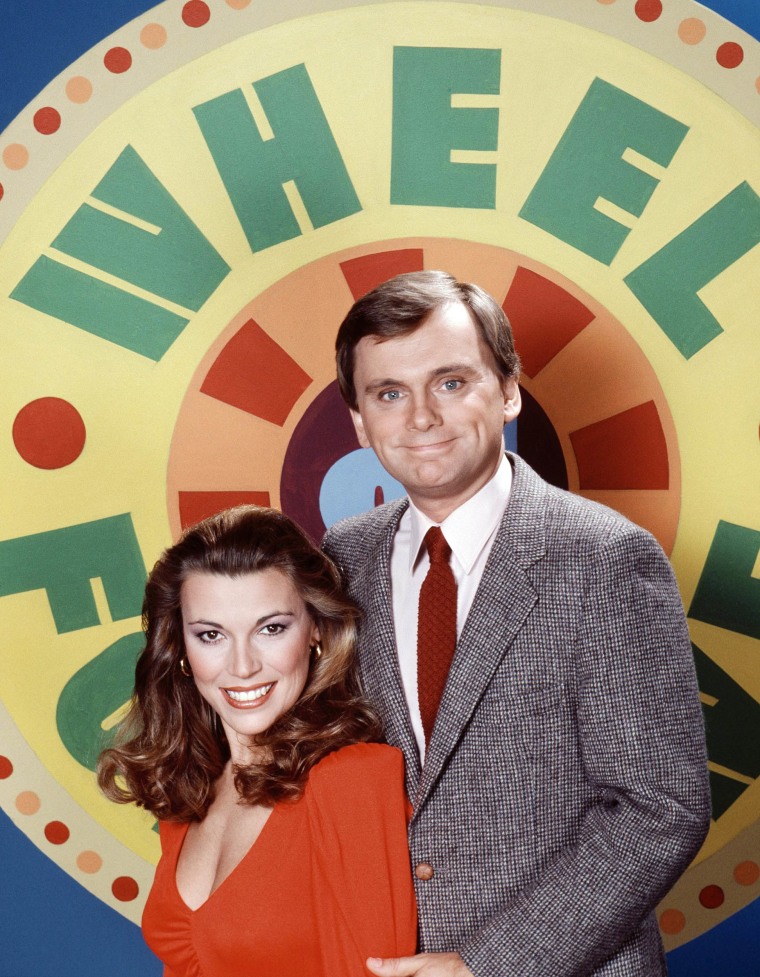
While co-hosting the morning show in Los Angeles, Pat Sajak was also making a name for himself as a proficient fill-in host for the venerable Bob Barker on the immensely popular game show The Price Is Right. This was a critical exposure point. The Price Is Right was a ratings juggernaut, and Barker was a titan of the industry. By demonstrating his capability to step into such a prominent role seamlessly, Sajak showcased his innate talent for game show hosting – his ability to manage energy, interact with contestants, and keep the show moving.
This experience proved to be a crucial stepping stone. Game shows require a specific skillset: maintaining a high energy level, improvising when necessary, building rapport with contestants from diverse backgrounds, and making the audience at home feel like they are part of the action. Sajak’s time with The Price Is Right proved he possessed these essential qualities. It was during this period that his name began to be seriously considered for other hosting opportunities within the game show genre.
The Merv Griffin Connection: A Game Changer
The pivotal moment in Pat Sajak’s career arrived in the early 1980s. Merv Griffin, the creator of Wheel of Fortune, was looking to revive his popular game show for daytime syndication. Griffin had a discerning eye for talent, and he was impressed by Sajak’s work, particularly his calm demeanor and his ability to handle the pressure of live television.
Griffin’s decision to offer Sajak the hosting job for Wheel of Fortune was a bold one. At the time, the show was already a well-established entity, and finding the right host to lead its revival was critical. Sajak’s charisma, intelligence, and genuine enthusiasm for the game resonated with Griffin. It was a perfect match of personality and platform.
The impact of this decision cannot be overstated. Sajak’s calm, intelligent, and slightly dry sense of humor proved to be the perfect counterpoint to the show’s exciting gameplay. He wasn’t overly boisterous or flashy; instead, he offered a steady, reassuring presence that allowed the contestants and the game itself to shine. This approach to hosting became his signature, contributing to the show’s longevity and its appeal across generations. He essentially became the brand ambassador for Wheel of Fortune, embodying its essence of accessible fun and intellectual engagement.
The Brand of Pat Sajak: Building an Enduring Television Persona
Pat Sajak’s success extends beyond just hosting a game show. He has cultivated a powerful personal brand that has allowed him to remain a beloved television personality for decades, demonstrating key principles of brand strategy and reputation management.
From Announcer to Icon: The Evolution of a Brand
Sajak’s personal brand is built on a foundation of authenticity, reliability, and a subtle wit. Unlike many television personalities who rely on exaggerated personas, Sajak’s appeal lies in his understated charm and his genuine enjoyment of the game. He’s the friendly neighbor who happens to be hosting your favorite game show. This relatability is a cornerstone of strong branding; it makes him approachable and trustworthy.
His longevity on Wheel of Fortune is a testament to his ability to consistently deliver on the expectations associated with the show. This consistency is vital for brand building. Viewers know what to expect from Pat Sajak: a fair host, a good listener, and someone who genuinely celebrates the contestants’ successes. This reliability has fostered immense loyalty from his audience.
Furthermore, Sajak’s brand has evolved over time, adapting to changing media landscapes without compromising its core elements. While he started in radio and local TV, his move to national syndication with Wheel of Fortune allowed his brand to reach a much wider audience. He has also expanded his brand through other ventures, including writing and political commentary, showcasing a multifaceted personality that appeals to a broader range of interests.
Beyond the Wheel: Applying Business Acumen and a Passion for Detail
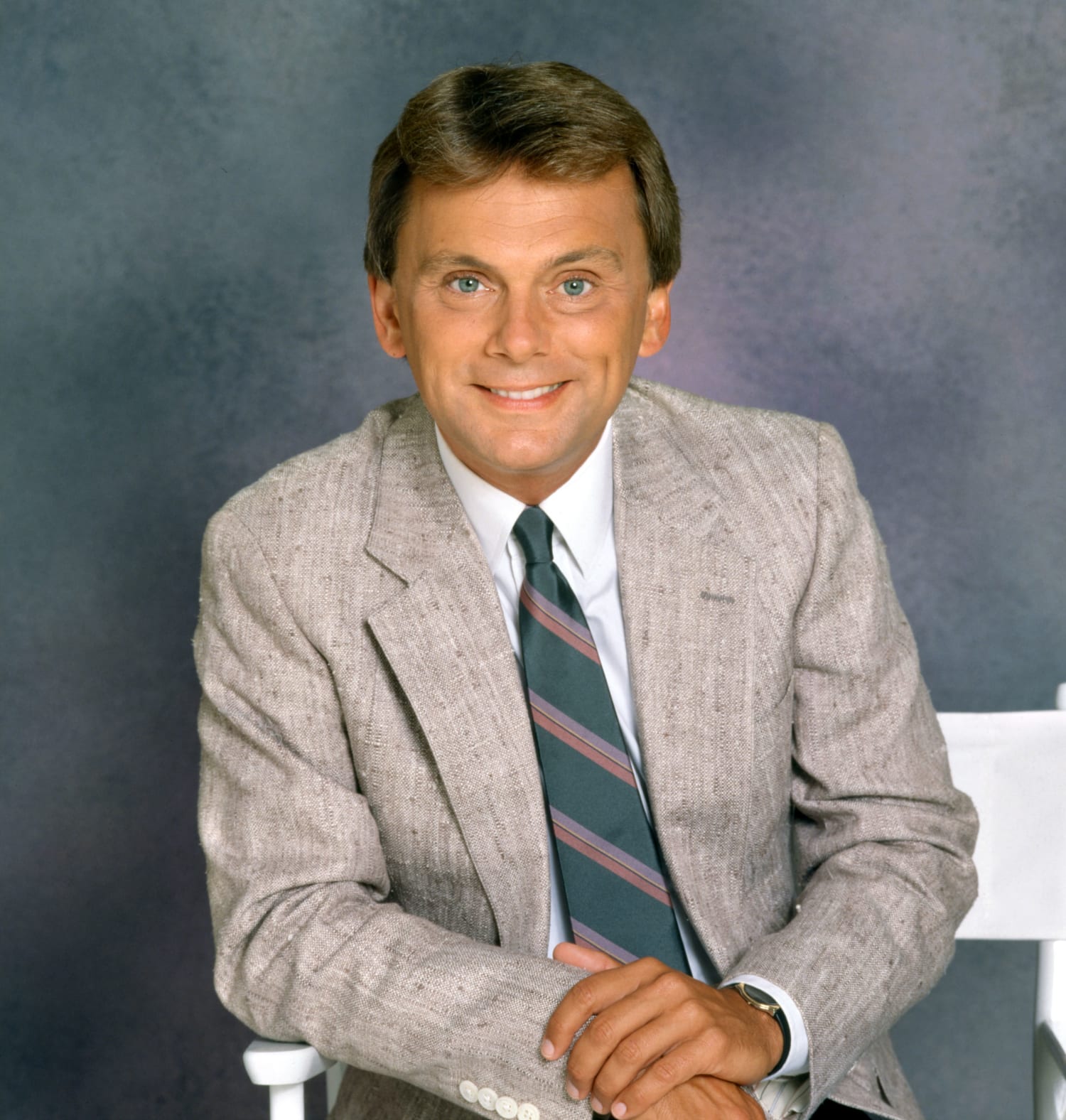
While the focus is often on his hosting duties, Pat Sajak’s involvement with Wheel of Fortune has also seen him take on producer roles, demonstrating an understanding of the business side of television production. This involvement signifies a deeper engagement with the show beyond simply reading lines. It suggests an appreciation for the intricate details that go into creating a successful television program, from script development to contestant selection and the overall viewer experience.
This entrepreneurial spirit, even within the context of a long-standing television show, is indicative of someone who understands the value of quality and execution. It aligns with the principles of building a successful business: attention to detail, strategic planning, and a commitment to delivering a superior product. His willingness to be involved in the production aspects hints at a broader business acumen that likely contributed to his enduring success and the show’s continued popularity.
In essence, Pat Sajak’s journey before Wheel of Fortune was a masterclass in building a career through dedication, versatility, and strategic personal branding. From the intimate setting of radio to the dynamic environment of local television, he honed the skills that would eventually make him one of the most recognizable and beloved figures in television history. His story is a compelling example of how a solid foundation in broadcasting, combined with an ability to connect with audiences and adapt to opportunities, can lead to unparalleled success.
aViewFromTheCave is a participant in the Amazon Services LLC Associates Program, an affiliate advertising program designed to provide a means for sites to earn advertising fees by advertising and linking to Amazon.com. Amazon, the Amazon logo, AmazonSupply, and the AmazonSupply logo are trademarks of Amazon.com, Inc. or its affiliates. As an Amazon Associate we earn affiliate commissions from qualifying purchases.