
In the rapidly evolving landscape of Decentralized Finance (DeFi), investors and analysts are constantly seeking reliable metrics to gauge the health, popularity, and liquidity of various protocols. Among the myriad of abbreviations that populate the crypto-financial space—from APY to DAO—Total Value Locked (TVL) stands out as the primary yardstick for measuring market sentiment and capital efficiency. Whether you are a seasoned liquidity provider or a newcomer exploring yield farming, understanding TVL is essential to navigating the risks and rewards of blockchain-based investing.
Understanding the Definition of Total Value Locked
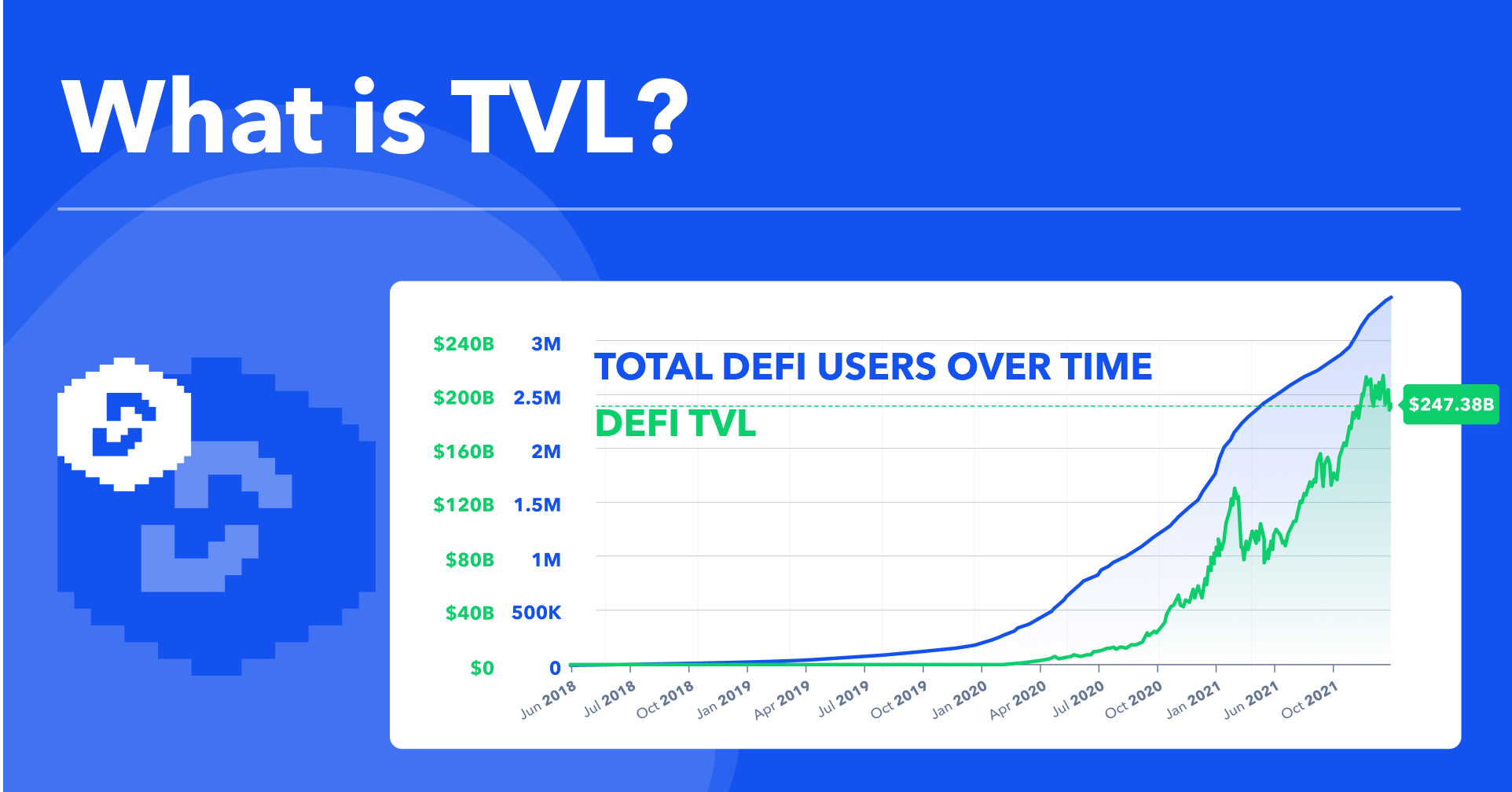
At its most fundamental level, Total Value Locked represents the aggregate sum of all crypto assets currently deposited within a specific DeFi protocol. These protocols, ranging from decentralized exchanges (DEXs) and lending platforms to yield aggregators and staking pools, rely on user capital to function. When users deposit their tokens—be it stablecoins, governance tokens, or native assets like Ethereum—into these smart contracts, those assets become “locked” within the system, providing the liquidity necessary for the platform’s operations.
How TVL Functions as a Financial Metric
Think of TVL as the “Assets Under Management” (AUM) of the decentralized world. Just as a traditional mutual fund reports its total size to give investors a sense of scale, DeFi protocols display their TVL to demonstrate their capacity to facilitate trades, loans, or interest-bearing activities. A higher TVL generally implies that the platform has successfully attracted substantial capital, which often translates into better liquidity, reduced slippage for traders, and increased trust among the user base.
The Mechanism of Locking Assets
The term “locked” can be slightly misleading. In most instances, the assets are not permanently frozen; rather, they are committed to a smart contract to perform a specific function. For instance, in a liquidity pool, your assets act as the counterparty for traders. In a lending protocol, your assets are stored in a smart contract that allows others to borrow them against collateral. The assets are “locked” in the sense that they are removed from your personal wallet and held in escrow by the code, but they are generally redeemable according to the rules programmed into the protocol.
Why TVL Matters for Investors and Analysts
TVL is not merely a vanity metric; it serves as a critical indicator for market analysis and risk assessment. For investors, monitoring changes in TVL can reveal shifting trends in capital allocation across different blockchain ecosystems.
Assessing Protocol Adoption and Trust
A protocol with a consistently growing TVL suggests that the community trusts the platform’s security and yield-generating capabilities. It serves as a form of social proof. If hundreds of millions of dollars are flowing into a specific lending platform, it indicates that the underlying smart contracts have likely stood the test of time or that the platform’s incentives—such as high interest rates or governance token rewards—are attractive enough to offset the inherent risks of DeFi.
Liquidity and Efficiency
For traders and institutional participants, TVL is a direct indicator of market depth. In decentralized exchanges, high TVL translates to higher liquidity. When a liquidity pool has millions of dollars in TVL, a user can execute large trades without suffering from significant price slippage. Therefore, TVL is a vital performance metric for market makers and arbitrageurs who rely on efficient, low-friction environments to execute their strategies.
Identifying Market Trends
By observing aggregate TVL across the entire crypto space, investors can identify macro trends. For example, a sharp drop in total market TVL may signal a “risk-off” environment, where investors are withdrawing capital from DeFi to move into stablecoins or exit the market entirely. Conversely, a surge in TVL within a specific sector, such as Liquid Staking Derivatives (LSDs), can highlight where the next wave of capital inflows is concentrated, allowing investors to adjust their portfolios accordingly.
The Risks and Limitations of Relying on TVL
While TVL is a powerful tool, it is not an infallible metric. Relying solely on TVL can lead to a skewed perception of a protocol’s sustainability or security. It is imperative for investors to understand the nuances that can distort these figures.
The Role of Incentive Programs
Many protocols artificially inflate their TVL through “liquidity mining” or “yield farming” incentives. By distributing large amounts of governance tokens to those who deposit assets, a platform can entice users to move their capital into the protocol. While this increases TVL, it often creates a “mercenary capital” dynamic. Once the incentive rewards decrease or the price of the governance token drops, this capital tends to leave the platform immediately. Consequently, a high TVL driven solely by unsustainable inflation rewards may not accurately reflect the protocol’s long-term utility.
Market Volatility and Asset Pricing
TVL is usually denominated in US dollars. This introduces a significant bias: if the underlying assets deposited into a protocol (such as ETH or SOL) increase in price, the TVL will rise even if not a single new dollar of capital has been deposited. Conversely, in a bear market, a protocol’s TVL may crash simply because the value of the collateral itself has dropped, even if user activity remains stable. Savvy investors often look at “TVL in token terms” (i.e., how many actual tokens are locked) to strip away the noise caused by market price fluctuations.
Smart Contract Risks
A high TVL does not equate to a hack-proof protocol. In fact, a high TVL can sometimes make a platform a more attractive target for malicious actors. If a vulnerability exists in the smart contract code, a massive amount of capital is at risk of being exploited. Investors should never view TVL as a guarantee of security; instead, they should evaluate audits, time in the market, and the reputation of the development team alongside the TVL figure.
Strategic Integration of TVL into Your Portfolio
To use TVL effectively, it should be treated as one piece of a larger puzzle. Integrating this metric into a comprehensive financial strategy requires a discerning eye.
Comparing Protocols with TVL-to-Market Cap Ratio
One advanced method of utilizing TVL is comparing a protocol’s TVL to the market capitalization of its native governance token. A protocol with a low market cap but a high TVL might be considered “undervalued” by some analysts, as it suggests the platform is handling a significant amount of capital relative to the market’s valuation of the project. Conversely, a very high market cap with a low TVL could indicate that the token is overextended.
Monitoring Network-Specific TVL
Investors should differentiate between TVL on different blockchains. Ethereum, for example, has historically maintained the highest TVL due to its institutional adoption and deep ecosystem. However, newer Layer 1 and Layer 2 solutions often offer higher yield incentives to bootstrap their TVL. Analyzing where the capital is flowing—from the Ethereum mainnet to Layer 2 rollups, for example—can help investors position themselves in front of growth cycles.

Final Considerations for the Modern Investor
Total Value Locked is an essential metric in the DeFi toolkit, providing a snapshot of the industry’s pulse and capital movement. However, it should be viewed as a starting point for research rather than the end of the analysis. A professional investor should combine TVL analysis with an evaluation of tokenomics, protocol security audits, market demand for the protocol’s services, and the overall macroeconomic environment.
By maintaining this holistic view, investors can effectively distinguish between protocols that have achieved genuine product-market fit and those that are merely leveraging temporary incentives. In the world of crypto-finance, where transparency is built into the ledger, TVL remains one of the most reliable windows into the decentralized economy, provided the observer understands the forces that drive the numbers behind the screen. As the DeFi space continues to mature, those who can look beyond the surface-level TVL figure to understand the quality of the capital locked within will likely be the ones who manage their risks most effectively in this volatile, high-stakes market.
aViewFromTheCave is a participant in the Amazon Services LLC Associates Program, an affiliate advertising program designed to provide a means for sites to earn advertising fees by advertising and linking to Amazon.com. Amazon, the Amazon logo, AmazonSupply, and the AmazonSupply logo are trademarks of Amazon.com, Inc. or its affiliates. As an Amazon Associate we earn affiliate commissions from qualifying purchases.