
For millions of students navigating the complexities of higher education financing, the federal loan system acts as the primary gateway to academic opportunity. Among the various programs offered by the U.S. Department of Education, the Direct Stafford Loan—often referred to simply as a Stafford Loan—remains the most ubiquitous form of federal student aid. Understanding the mechanics, eligibility requirements, and repayment obligations of these loans is an essential component of responsible personal finance for students and their families.
Decoding the Federal Direct Loan Program
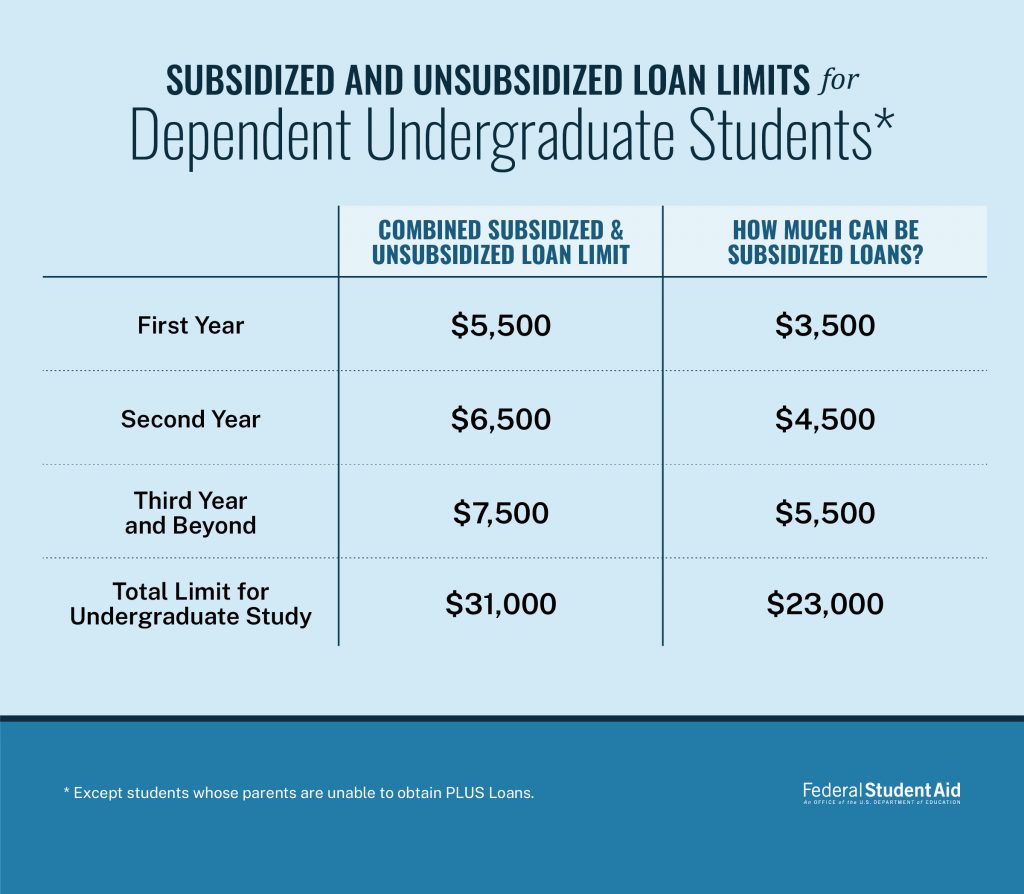
To understand the Stafford Loan, one must first recognize that the terminology has evolved. While many people still use the term “Stafford Loan” out of habit, these loans are now officially administered under the William D. Ford Federal Direct Loan Program. In this system, the U.S. Department of Education acts as the lender, rather than a private bank or credit union.
The Evolution of the Program
The Stafford Loan was named after Robert Stafford, a U.S. Senator from Vermont who championed the Higher Education Act of 1965. Over the decades, the program shifted from a guaranteed loan system—where the government insured loans made by private lenders—to the current Direct Loan system. Today, the federal government provides the funds directly to the student’s school, simplifying the process and ensuring that federal protections and repayment options are standardized across the board.
Subsidized vs. Unsubsidized: The Core Distinction
The most critical aspect of the Stafford Loan is the distinction between “subsidized” and “unsubsidized” status. This difference significantly impacts the total cost of the loan over the life of the borrowing period.
A Direct Subsidized Loan is awarded based on demonstrated financial need. The primary benefit here is that the federal government pays the interest on the loan while the student is enrolled in school at least half-time, during the first six months after graduation (the grace period), and during authorized periods of deferment. Essentially, the government subsidizes the cost of borrowing, preventing the debt from ballooning while the student focuses on their studies.
In contrast, a Direct Unsubsidized Loan is not based on financial need. It is available to both undergraduate and graduate students regardless of their income level. However, the borrower is responsible for all interest that accrues from the moment the loan is disbursed. If the borrower chooses not to pay this interest while in school, it is “capitalized”—meaning it is added to the principal balance of the loan, causing interest to accrue on a larger sum over time.
Eligibility, Limits, and the Application Process
Securing a Stafford Loan is not an automatic entitlement; it is a structured process that begins with the Free Application for Federal Student Aid (FAFSA). The data provided in the FAFSA determines not only the student’s eligibility for need-based grants but also their capacity to qualify for subsidized versus unsubsidized loan options.
Annual and Aggregate Borrowing Limits
The federal government imposes strict limits on how much an individual can borrow through the Direct Loan program. These limits are designed to prevent students from taking on excessive debt that their post-graduation income might not support.
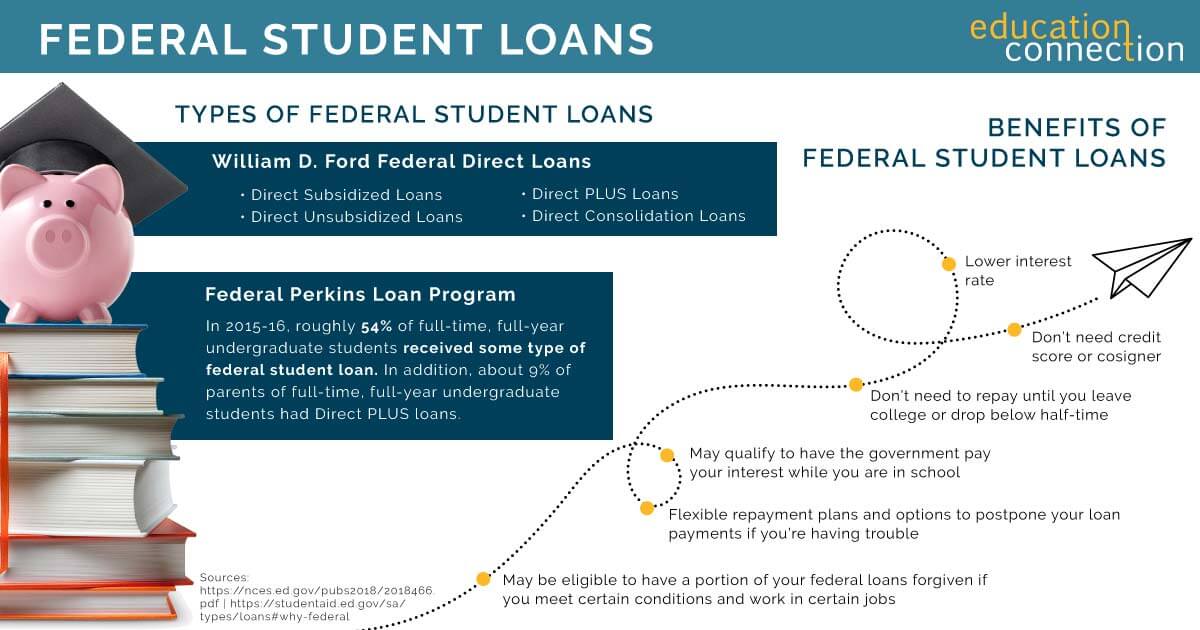
For dependent undergraduate students, the annual limits increase as the student progresses through their degree program. A first-year student, for example, is capped at a lower borrowing amount than a senior. Independent students, or dependent students whose parents are ineligible for a Direct PLUS Loan, are eligible for higher annual limits. Furthermore, there are “aggregate” limits, which represent the total cumulative debt a student can carry for their undergraduate career. Once these thresholds are met, the student must explore alternative funding sources, such as private student loans, scholarships, or work-study programs.
The Role of the FAFSA
The FAFSA is the cornerstone of the federal financial aid process. It collects financial information from the student and their family to calculate the Student Aid Index (SAI). This index helps financial aid officers at the student’s college or university determine the “cost of attendance” minus any other financial aid, effectively identifying the “gap” that a Stafford Loan is intended to fill. It is vital to file the FAFSA as early as possible each year, as many aid packages are awarded on a first-come, first-served basis.
Repayment Strategies and Financial Protections
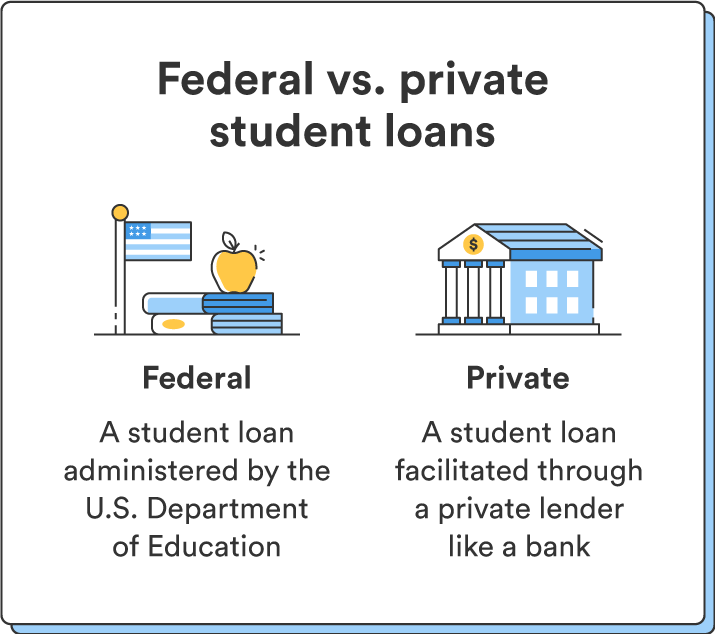
The true value of a federal Stafford Loan lies in its flexible repayment ecosystem. Unlike private student loans, which are often governed by rigid contracts and high-interest rates, federal loans provide a safety net that protects the borrower in times of financial hardship.
Understanding the Grace Period
Once a student graduates, drops below half-time enrollment, or leaves school, they enter a six-month “grace period.” This is a window of time before the first mandatory loan payment is due. For many, this time is essential for securing employment and stabilizing their finances. During the grace period, interest will continue to accrue on unsubsidized loans, but the borrower is not yet required to begin repayment.
Repayment Plans: Tailoring to Income
The standard repayment plan for a Stafford Loan is ten years, with fixed monthly payments. However, the federal government offers several alternative plans, most notably the income-driven repayment (IDR) plans. These plans cap monthly payments at a percentage of the borrower’s discretionary income. This is a vital tool for those entering lower-paying fields or early-career professionals whose income does not yet reflect their potential earning power. Over time, these plans can even offer loan forgiveness if a balance remains after a set number of years of qualifying payments.
Deferment and Forbearance
Life after graduation is rarely a straight line. If a borrower encounters economic hardship, military deployment, or a return to graduate studies, federal loans allow for deferment or forbearance. Deferment is generally preferable, as it may temporarily stop interest from accruing on subsidized loans. Forbearance is a temporary pause in payments—often granted at the lender’s discretion—during which interest continues to accumulate on all loan types. These features ensure that a temporary setback does not immediately result in default.
The Long-Term Financial Implications
Treating a Stafford Loan as “free money” is a common trap that leads to long-term financial distress. Because these loans are debt, they impact credit scores, debt-to-income ratios, and future borrowing power for homes or automobiles.
The Cost of Interest Capitalization
One of the most important lessons in personal finance is understanding how interest capitalization works. If a student ignores their unsubsidized loan debt while in school, the interest that accumulates is added to the principal. When they graduate, they aren’t just paying interest on the initial amount they borrowed; they are paying interest on the original amount plus the accrued interest. This “interest on interest” effect can significantly inflate the total repayment amount. Even paying just the interest while in school can save thousands of dollars over the life of the loan.
Responsible Borrowing and Future Planning
Before signing the master promissory note for a Stafford Loan, students should engage in “calculated borrowing.” This involves estimating the total loan balance at graduation and researching the average starting salary for their intended career path. A good rule of thumb in personal finance is to aim for total student loan debt that does not exceed one year’s expected starting salary. If the projected debt significantly exceeds this, it may be time to reconsider the choice of school, explore community college options for the first two years, or search more aggressively for grants and scholarships that do not require repayment.
By viewing the federal Stafford Loan as a tool for leverage rather than a simple convenience, students can navigate their academic careers with a clear path toward financial independence. When utilized correctly, these loans bridge the gap between financial constraints and the high-value education needed for long-term professional success. The key is balance: borrow what is necessary, understand the terms of the agreement, and always have a strategy for repayment.
aViewFromTheCave is a participant in the Amazon Services LLC Associates Program, an affiliate advertising program designed to provide a means for sites to earn advertising fees by advertising and linking to Amazon.com. Amazon, the Amazon logo, AmazonSupply, and the AmazonSupply logo are trademarks of Amazon.com, Inc. or its affiliates. As an Amazon Associate we earn affiliate commissions from qualifying purchases.