
The rigor of biological research rests upon the foundational principle of the control experiment. In the pursuit of understanding complex life processes—ranging from cellular signaling pathways to ecosystem dynamics—scientists must ensure that the observations they record are directly attributable to the specific variable they are testing. Without a control, a biological experiment is merely a collection of observations without a benchmark, rendering any conclusions drawn from the data scientifically invalid.
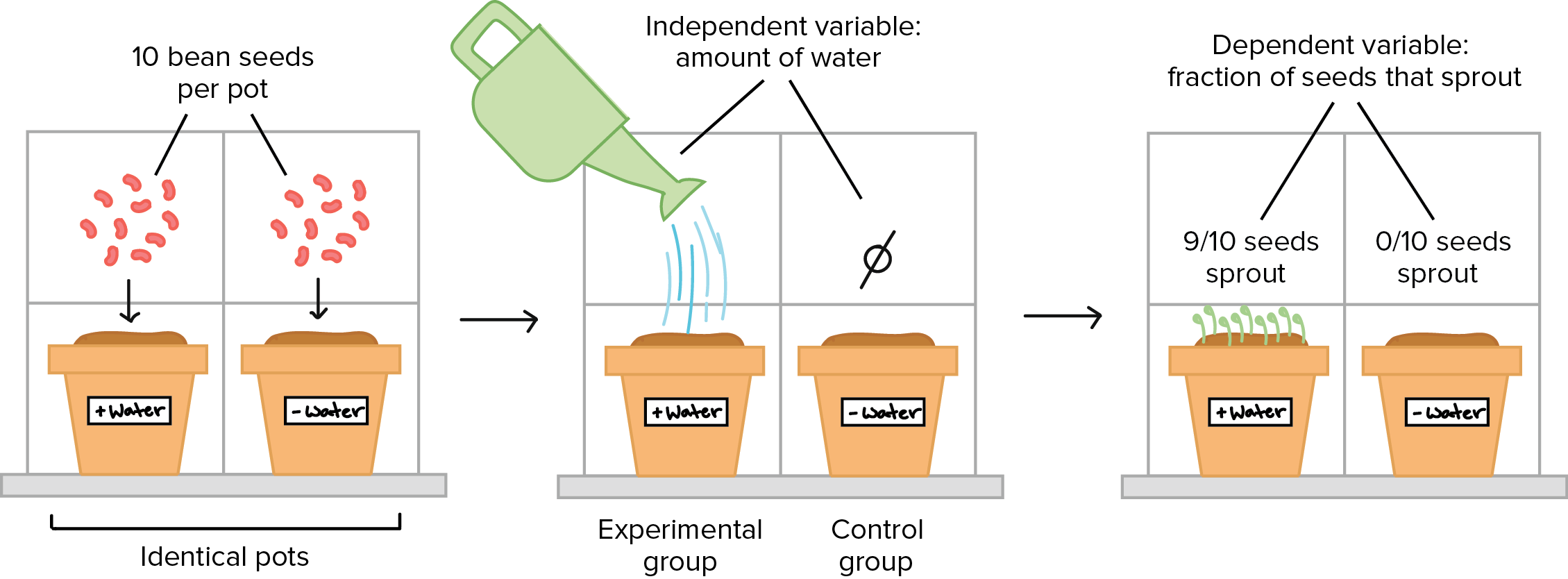
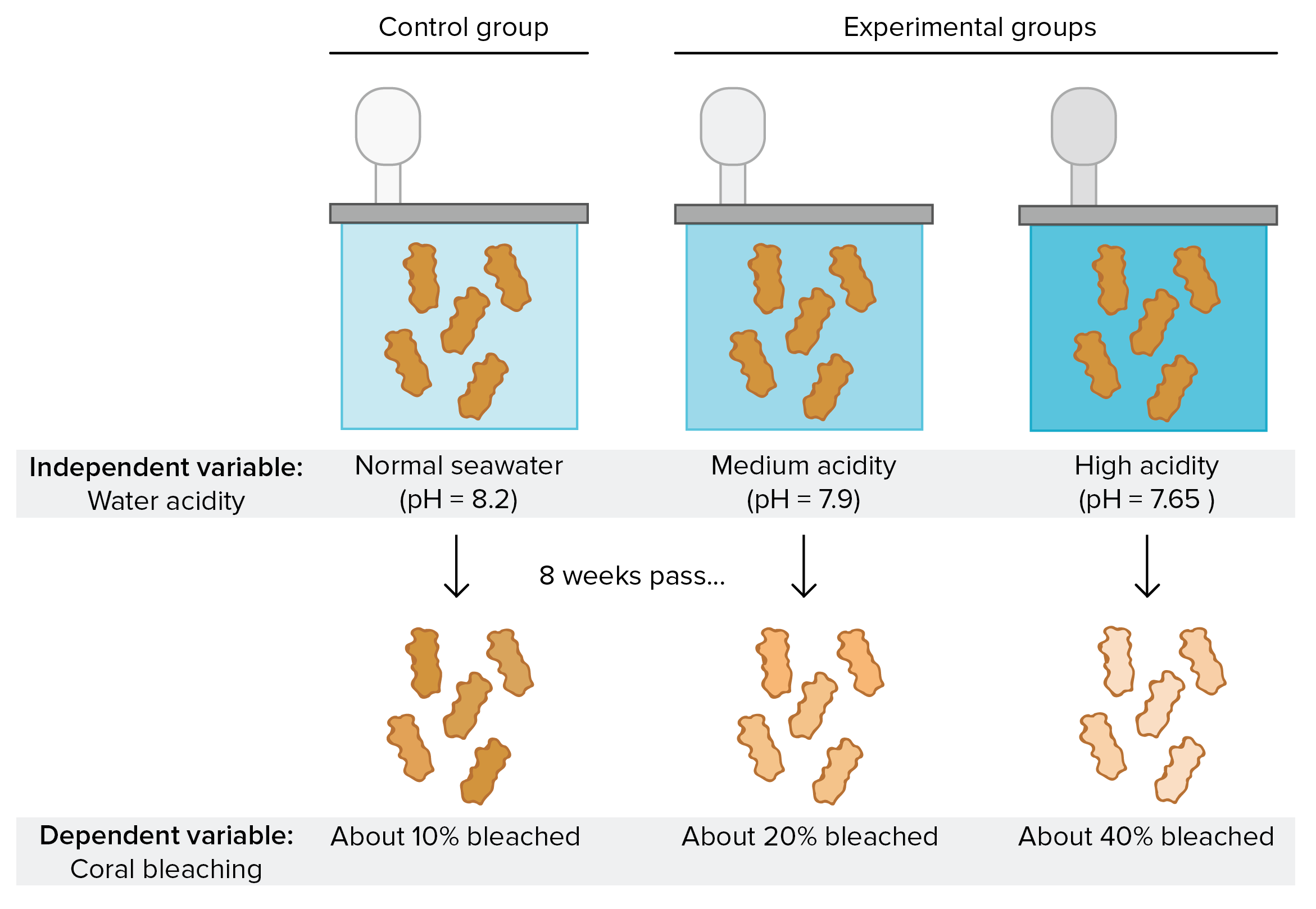
A control experiment serves as the baseline or the “standard” against which the results of an experimental group are compared. It is designed to be identical in every way to the experimental group, with one crucial exception: the absence of the independent variable being studied. By isolating the variable, researchers can confirm whether the observed effects are truly caused by the intervention or if they are simply the result of extraneous environmental factors, technical errors, or natural biological fluctuations.
The Architecture of Experimental Design
To understand the necessity of a control experiment, one must first recognize the structure of scientific inquiry. Biological systems are notoriously “noisy”; they are influenced by temperature, pH, light exposure, genetic variation, and time. If a researcher adds a specific protein to a cell culture and observes a change in metabolic rate, how can they be certain that the protein caused the change? Perhaps the cells were simply reacting to the addition of a liquid volume, the movement of the pipette, or the ambient temperature of the laboratory.
The Role of Negative Controls
A negative control is perhaps the most critical element in any experimental setup. It provides the researcher with a view of what happens when the independent variable is withheld. If you are testing the efficacy of a new drug in reducing inflammation, the negative control group receives a placebo—a substance that mimics the administration process without containing the active pharmacological agent. If the negative control shows the same result as the experimental group, the researcher immediately understands that the observed effect is not due to the drug, but likely a byproduct of the experimental procedure itself.
The Function of Positive Controls
While negative controls establish the “bottom” of the baseline, positive controls ensure the validity of the experimental system. A positive control is a group that is known to produce a specific, expected outcome. If a researcher is testing for the presence of a specific enzyme using a chemical reagent, they must include a sample that is known to contain that enzyme. If the reagent fails to show a positive result for the positive control, the researcher knows that the experimental system—the reagent, the equipment, or the conditions—is flawed. Without this verification, a negative result in an unknown sample could be interpreted as “the enzyme is absent,” when in reality, the testing kit was simply expired or inactive.
Minimizing Confounding Variables in Biological Research
One of the greatest challenges in biology is the mitigation of confounding variables. These are “hidden” factors that could inadvertently influence the outcome of an experiment. In field biology, such variables might include rainfall patterns or soil nutrient composition; in molecular biology, they might include subtle differences in incubation times or cross-contamination between microplate wells.
Standardization and Environmental Control
Control experiments allow researchers to determine if their methodology is robust. By maintaining a control group in the exact same incubator or growth chamber as the experimental group, the researcher effectively “cancels out” the impact of the environment. If the control group thrives under the same conditions that the experimental group suffers in, the difference in outcome can be confidently attributed to the independent variable rather than a faulty environmental control system.

Statistical Significance and Power
A control experiment is essential for statistical analysis. In biology, data is rarely absolute; it is probabilistic. Researchers use statistical tests (such as Student’s t-tests or ANOVA) to determine whether the differences between an experimental group and a control group are statistically significant. The control group provides the variance data—the standard deviation—against which the experimental group’s mean is compared. Without this statistical foundation, it would be impossible to determine if an outcome is the result of a genuine biological phenomenon or simply a manifestation of random biological noise.
Types of Controls Across Biological Disciplines
The nature of the “control” changes depending on the scale and scope of the biological study. While the underlying logic remains consistent—isolate the variable—the implementation varies significantly.
Controls in Molecular and Cellular Biology
At the molecular level, controls are often focused on reagent purity and technical specificity. For instance, in Western Blotting—a technique used to detect specific proteins—researchers use “loading controls.” These are proteins that are known to be present at constant levels in all samples, such as actin or GAPDH. By measuring the intensity of the loading control, researchers can ensure that they have loaded the same amount of protein into each lane of the gel. If the loading control bands vary in intensity, the researcher knows that any differences observed in their target protein are an artifact of uneven loading, rather than a biological reality.
Controls in Microbiology and Ecology
In microbial research, control experiments often involve growth media. A “blank” control—a flask containing only the growth medium without the target organism—is essential to prove that the medium is sterile and that any growth observed in the experimental flasks is indeed the bacteria being studied, rather than external contamination. In ecological studies, where direct manipulation of the environment is often impossible, researchers may use “natural experiments” or spatially separated plots where the environment is observed without the introduction of the experimental disturbance, serving as a long-term control group.
The Ethical and Practical Imperatives of Controlled Research
The commitment to rigorous control experiments is not just a matter of academic vanity; it is an ethical imperative. Resources in science—funding, time, and biological materials—are finite. Publishing findings that are later proven to be based on experimental artifacts wastes the time of the broader scientific community and can lead to misguided efforts in downstream applications, such as drug development or conservation policy.
Eliminating Bias and Reproducibility
The replication crisis that has permeated various scientific fields in recent years is, in many ways, a crisis of inadequate control. When experiments are not designed with clear, verifiable control groups, the resulting data is susceptible to unconscious bias. A researcher who strongly believes their hypothesis is correct may inadvertently interpret ambiguous results in favor of that hypothesis. A strictly defined control experiment acts as a safeguard against this bias, providing an objective benchmark that prevents the researcher from cherry-picking results that fit their preconceived notions.
Advancing Biological Knowledge
By understanding what a control experiment is and why it is indispensable, students and researchers alike can appreciate the nuance of biological inquiry. It is not enough to simply witness a biological effect; one must be able to verify the chain of causality leading to that effect. Every successful biological breakthrough—the development of vaccines, the mapping of the human genome, the understanding of photosynthesis—rests upon thousands of individual experiments where control groups were meticulously maintained.
The control experiment is the silent protagonist of the scientific method. It is the bedrock of credibility that separates anecdote from fact, and it is the primary tool by which we distinguish the actual mechanics of life from the coincidences that might otherwise deceive us. In the laboratory, in the field, and in the clinic, the control experiment remains the most effective instrument for turning raw observation into reliable, reproducible, and actionable biological knowledge. As biological technologies continue to evolve, the necessity for robust controls will only increase, ensuring that as we push the boundaries of what is known, we maintain the integrity of the process that allows us to call it “science.”
aViewFromTheCave is a participant in the Amazon Services LLC Associates Program, an affiliate advertising program designed to provide a means for sites to earn advertising fees by advertising and linking to Amazon.com. Amazon, the Amazon logo, AmazonSupply, and the AmazonSupply logo are trademarks of Amazon.com, Inc. or its affiliates. As an Amazon Associate we earn affiliate commissions from qualifying purchases.