
In the rapidly evolving landscape of digital security and enterprise governance, the acronym CISA stands for Certified Information Systems Auditor. It is the gold standard certification for professionals tasked with auditing, controlling, monitoring, and assessing an organization’s information technology and business systems. Administered by ISACA (formerly the Information Systems Audit and Control Association), the CISA certification is globally recognized, signaling to employers that an individual possesses the technical expertise and methodology required to protect critical assets in an increasingly vulnerable digital world.
As businesses continue their rapid digital transformation, the reliance on complex information systems—cloud computing, integrated ERP platforms, and decentralized data storage—has created an unprecedented demand for professionals who can bridge the gap between technical infrastructure and business risk management. A CISA professional does not merely understand how a system works; they understand how it could fail, how it could be exploited, and how it must be governed to comply with global regulatory standards.

The Role and Responsibilities of a CISA Professional
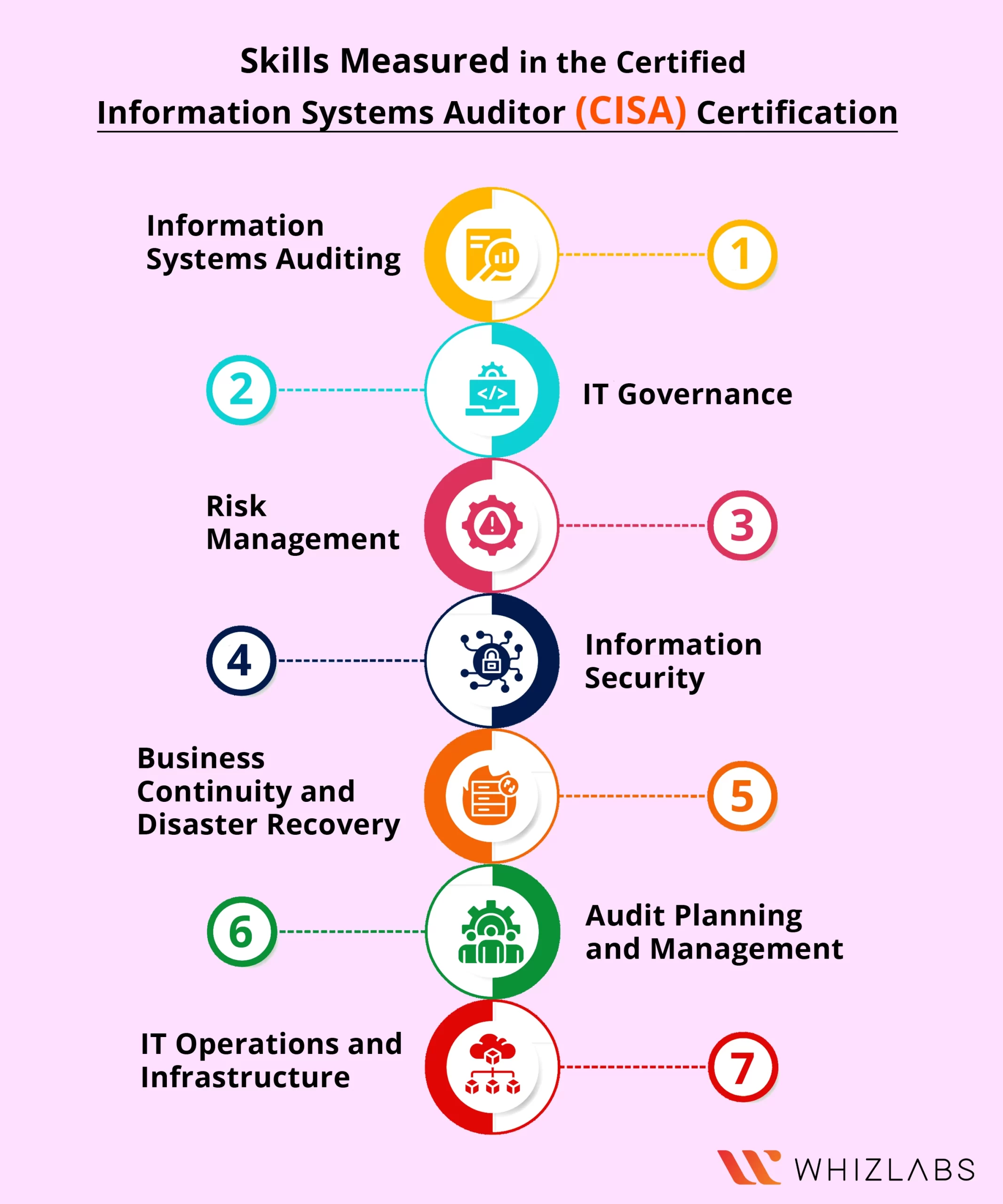
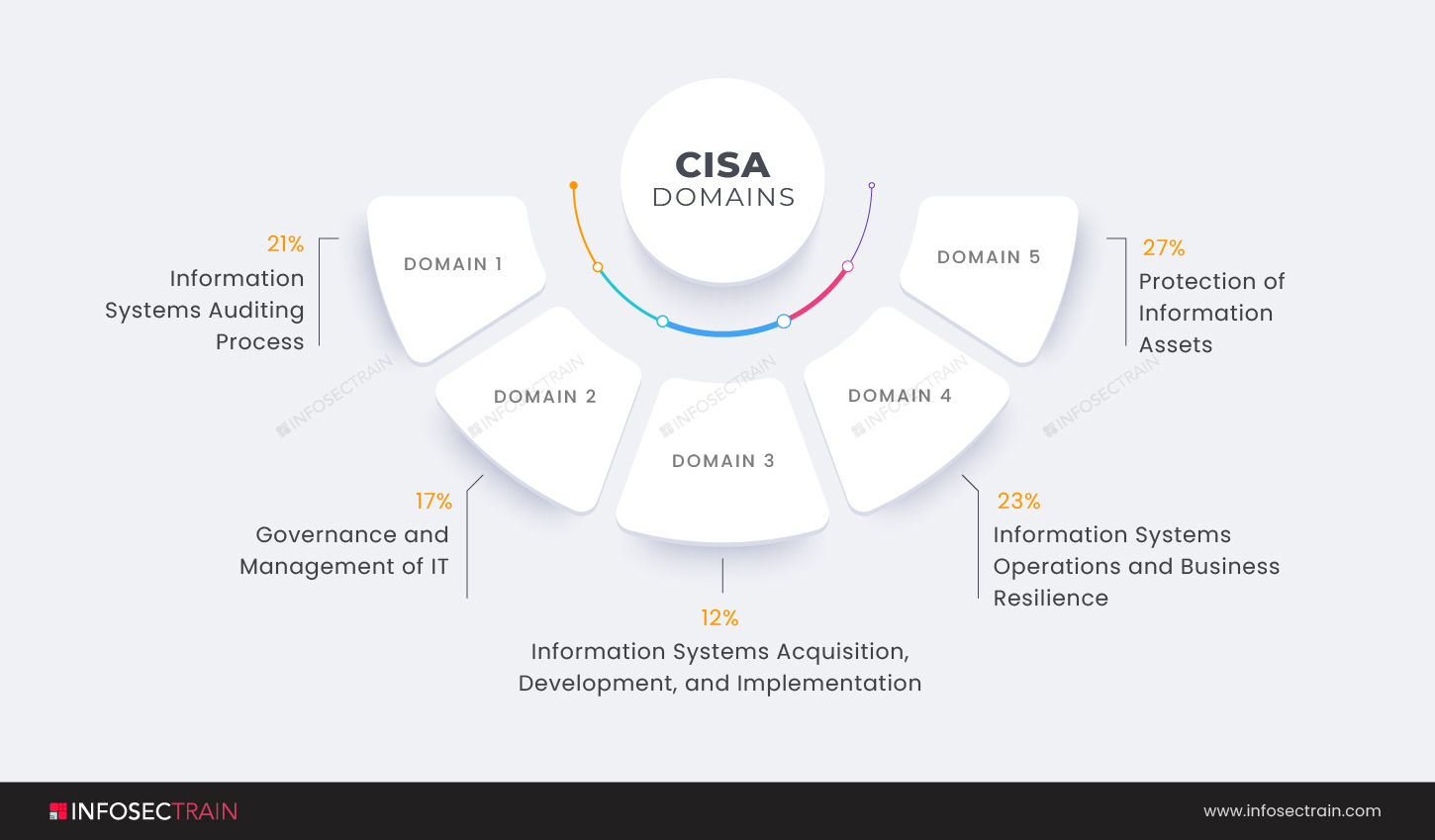
At its core, the CISA designation signifies a proficiency in the five domains defined by ISACA. These domains serve as the blueprint for the modern auditor’s responsibilities: Information Systems Auditing Process, Governance and Management of IT, Information Systems Acquisition, Development and Implementation, Information Systems Operations and Resilience, and Protection of Information Assets.
Bridging Technical Auditing and Risk Mitigation
A CISA professional functions as an independent evaluator. Unlike a system administrator or a security engineer who builds or maintains the environment, the auditor assesses the environment’s integrity. They perform comprehensive audits to ensure that the internal controls governing data are functioning as intended. This requires an analytical mindset capable of tracing data flow from the point of ingestion to the final output, identifying potential “choke points” where a breach or a system failure could occur.
The Guardian of Regulatory Compliance
In an era of stringent global privacy laws—such as GDPR in Europe, CCPA in California, and various financial reporting standards like Sarbanes-Oxley (SOX)—the CISA professional is often the primary liaison between technical departments and legal or compliance teams. They ensure that the organization’s IT policies are not just written on paper but are actively implemented within the software architecture. By mapping technical controls to regulatory requirements, they protect the company from heavy fines, legal liability, and irreparable reputational damage.
Why CISA Matters in Modern Digital Security
The digital security landscape is no longer limited to preventing hackers from accessing a network; it involves verifying that systems are resilient enough to recover from disasters and that the data residing within them remains accurate and confidential. The CISA certification is essential because it shifts the focus from “reactive security” to “proactive assurance.”
Ensuring Business Continuity and Resilience
A critical aspect of the CISA role is evaluating the resilience of an organization’s systems. If a server goes down or a data center is compromised, what happens next? CISA professionals audit disaster recovery plans and business continuity procedures to ensure that the organization can maintain operations during and after a crisis. In this capacity, they are not just dealing with technology; they are safeguarding the survival of the enterprise.
Managing Third-Party and Supply Chain Risks
Modern organizations rarely operate in a vacuum. They rely on a sprawling ecosystem of SaaS providers, third-party cloud hosts, and remote vendors. One of the most significant security threats today is the “weakest link” in the supply chain. A CISA professional is trained to audit third-party interfaces, ensuring that the organization’s high standards for data security are upheld even outside their immediate internal infrastructure. This oversight is critical for maintaining a robust security posture in a globalized economy.
Pursuing the Certification: Beyond the Exam
Earning the CISA designation is a rigorous process that demands both theoretical knowledge and practical experience. It is not an entry-level certification; it is a milestone for professionals who have already cut their teeth in the fields of IT audit, security, or control.
The Path to Certification
The journey to becoming a CISA begins with the examination, which tests the candidate’s ability to apply audit standards to real-world scenarios. However, passing the exam is only part of the requirement. ISACA mandates a minimum of five years of professional experience in information systems auditing, control, or security work. This experience requirement ensures that those who hold the CISA title are seasoned veterans who understand the nuances of organizational politics, technical limitations, and the gravity of the risks they mitigate.
Continuing Professional Education (CPE)
Technology does not stand still, and neither does the CISA. Once certified, holders are required to participate in Continuing Professional Education (CPE) activities. This ongoing commitment ensures that auditors remain at the forefront of emerging threats, such as AI-driven cyberattacks, quantum computing concerns, or the complexities of blockchain and IoT (Internet of Things) governance. This requirement reinforces the professional standing of CISA holders, marking them as lifelong learners who are committed to maintaining the highest standard of technical audit proficiency.
The Strategic Value of CISA for Organizations
Why do top-tier companies, including the Big Four accounting firms and Fortune 500 tech giants, prioritize CISA-certified staff? The answer lies in the strategic value the role provides. A CISA is not a “cost center”—they are a mechanism for risk avoidance.
Building Stakeholder Trust
Trust is the most valuable commodity in the digital economy. Whether you are a bank handling financial data or a healthcare provider managing patient records, your clients need to know that their information is protected. When an organization utilizes CISA-certified professionals to oversee their audits, it signals to shareholders, regulators, and customers that the company takes data integrity seriously. This level of transparency is a competitive advantage that can significantly influence stakeholder confidence.
Optimizing Operational Efficiency
While security is the primary focus, the byproduct of an audit is often improved operational efficiency. Through the process of reviewing information systems, CISA professionals frequently identify redundant processes, outdated workflows, or inefficient data handling practices. By streamlining these systems and automating controls, the auditor not only secures the enterprise but also helps it run more leanly and effectively.
The Future of the CISA in a Changing World
As we move further into an era of automated security and machine learning, the role of the CISA will evolve. We are moving toward a paradigm of “Continuous Auditing,” where systems are checked in real-time rather than during periodic annual cycles. The core principles that the CISA certification emphasizes—objectivity, systematic review, and risk assessment—are becoming even more vital as the velocity of business increases.
The CISA remains the benchmark because it is anchored in the fundamental truth that technology is only as reliable as the controls that govern it. Whether facing threats from sophisticated cybercriminals or navigating the complexities of internal digital transformation, the CISA professional remains the essential bridge between the technical complexity of the modern machine and the strategic goals of the business. For any organization aiming for long-term survival in the digital age, the CISA is not just a certification; it is a critical component of institutional health.
aViewFromTheCave is a participant in the Amazon Services LLC Associates Program, an affiliate advertising program designed to provide a means for sites to earn advertising fees by advertising and linking to Amazon.com. Amazon, the Amazon logo, AmazonSupply, and the AmazonSupply logo are trademarks of Amazon.com, Inc. or its affiliates. As an Amazon Associate we earn affiliate commissions from qualifying purchases.