
In the specialized field of dermatology and aesthetic medicine, patient trust is built upon the foundation of clinical accuracy and transparent communication. As practices evolve into modern healthcare brands, the way they explain common skin lesions—such as the blue nevus—serves as a critical touchpoint for building authority. This article explores the blue nevus not merely as a clinical entity, but as a case study in how medical professionals can leverage high-quality educational content to strengthen their brand identity, improve patient experience, and distinguish their clinics in a competitive digital landscape.

Clinical Understanding: The Foundation of Medical Branding
A blue nevus is a benign, melanocytic lesion that presents as a distinct blue or blue-gray macule or papule. Its unique pigmentation is the result of a specific biological phenomenon known as the Tyndall effect. In these lesions, melanin is deposited deep within the dermis rather than the epidermis. When light hits the skin, the longer wavelengths are absorbed by the dark pigment, while shorter, blue wavelengths are scattered back toward the observer.
The Role of Precision in Patient Trust
For a dermatology practice, the ability to clearly articulate what a blue nevus is—and, more importantly, what it is not—is a branding exercise. Patients often fear any changing or pigmented lesion due to the prevalence of skin cancer awareness. By providing clear, jargon-free, yet scientifically rigorous definitions, a practice positions itself as a reliable source of information. This transparency is a cornerstone of “Ethical Branding,” where the primary goal of marketing is to provide value to the consumer rather than merely soliciting appointments.
Distinguishing Clinical Features
To maintain brand authority, clinics must differentiate between the common blue nevus and its more concerning counterparts, such as the cellular blue nevus or melanoma. A common blue nevus is typically small, dome-shaped, and static. Understanding these nuances allows providers to communicate effectively with patients, alleviating anxiety through expert explanation. When a brand integrates this educational content into its website, it achieves two goals: it optimizes for search engines (SEO) and establishes the practice as a knowledgeable leader in the field.
The Strategy of Educational Content Marketing
In the modern digital economy, a medical practice is a brand. Patients choose providers based on their digital footprint, the clarity of their information, and the ease with which they can understand their own diagnosis. Developing content around topics like the blue nevus is a strategic investment in “Brand Equity.”
Optimizing the Patient Journey
Content marketing in dermatology should focus on the “Awareness” and “Consideration” phases of the patient journey. A patient who notices a new blue spot may turn to Google for answers. If your practice provides a high-quality, professional article on the subject, you have effectively guided them from a state of uncertainty to a state of informed action. This reduces friction in the booking process. When a patient arrives at the clinic already understanding the nature of a blue nevus, the consultation becomes more efficient, allowing the provider to focus on the patient relationship rather than basic definitions.
Establishing Authority Through Clarity
Brand identity in medicine is synonymous with expertise. By creating a library of well-structured content—explaining lesions like the blue nevus—a clinic signals to the public that it prioritizes patient education. This builds a brand reputation that is resilient and trustworthy. When patients view a clinic as an educator, they are more likely to return for aesthetic procedures or preventative screenings, as the brand has already established its competency in handling their health concerns.
Design and Visual Communication in Dermatological Care
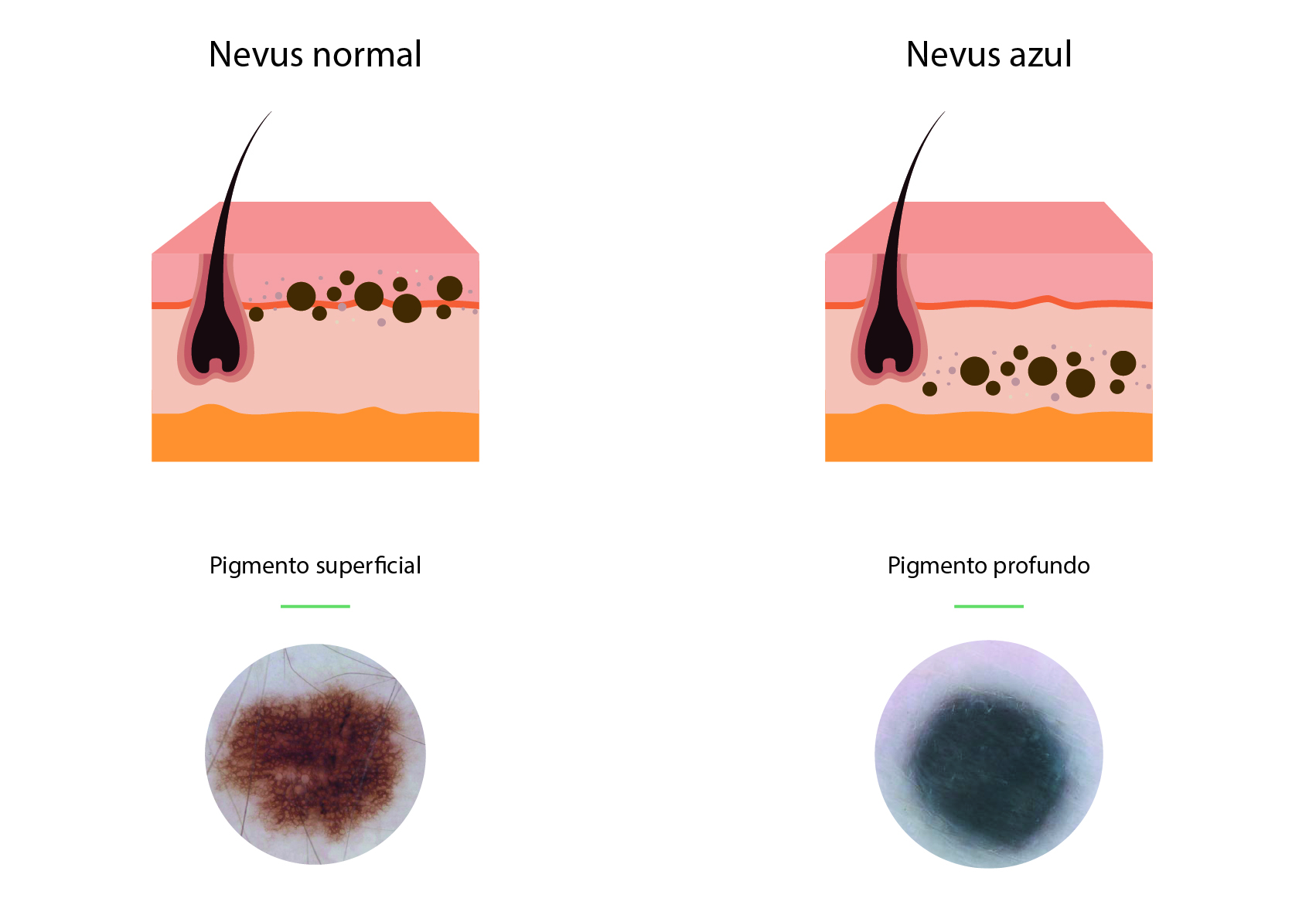
Brand strategy in the medical sector relies heavily on visual communication. Because a blue nevus is defined by its specific pigmentation, visual assets—such as dermatoscopic imagery and clear diagrams—are essential. How these images are presented on your digital platforms directly influences your corporate identity.
Professional Presentation
The use of high-resolution, clinical photography, combined with clean, accessible design layouts, reflects the standard of care a practice provides. If a website is cluttered or the descriptions of a blue nevus are poorly written, the brand is perceived as unprofessional. Conversely, a minimalist, high-functioning digital experience that utilizes sophisticated typography and clear headers reinforces the notion that the clinic is modern, precise, and attentive to detail.
Visualizing the Patient Experience
When explaining a blue nevus, consider how the visual presentation of the information aligns with the practice’s overall branding. Are the colors aligned with your logo? Is the tone of voice consistent across all pages? A cohesive brand strategy ensures that every patient interaction, whether online or in-person, feels like part of a unified experience. By treating “medical information” as “branded content,” a clinic can transform a simple explanation of a lesion into a powerful marketing tool that sets them apart from less organized competitors.
Managing Risk and Reputation: The Corporate Identity
In dermatology, the brand is often the doctor. Managing this corporate identity requires careful attention to the accuracy and tone of the information provided to the public. The blue nevus, while benign, remains a subject of intense patient scrutiny. Handling this topic with the right level of professional caution is vital to protecting the clinic’s reputation.
The Power of Tone in Medical Communications
The tone of your brand should be balanced: authoritative enough to command respect, yet empathetic enough to soothe patient fears. When discussing the blue nevus, avoid overly alarming language while still emphasizing the importance of professional evaluation. This delicate balance is the hallmark of a mature brand strategy. It demonstrates that the practice understands the psychological impact of skin conditions on their patients.
Consistency as a Branding Tool
Consistency across all channels—social media, blogs, patient brochures, and websites—is what solidifies a brand. If your blog post on the blue nevus conveys a calm, expert tone, your social media presence and clinic environment should mirror that same professional standard. This consistency builds brand recognition and long-term loyalty. Patients who trust a practice to give them the correct, calm information about a blue nevus today are the patients who will trust the practice with their skin health for decades to come.
Scaling Growth Through Expert Positioning
Ultimately, the goal of integrating complex medical topics like the blue nevus into your brand strategy is to create a sustainable competitive advantage. In a saturated market, patients will gravitate toward the clinic that provides the most clarity.
Leveraging Expertise for Market Differentiation
Consider the blue nevus not just as a clinical diagnosis, but as a content pillar. By creating an extensive educational ecosystem, you are positioning your practice as a hub of expertise. This attracts not only patients seeking care but also potential referral sources—such as general practitioners or aesthetic partners—who recognize the quality of the information you provide.

Future-Proofing the Practice
Digital trends in dermatology are shifting toward high-value, informative content. Practices that invest in explaining conditions like the blue nevus through a professional brand lens are future-proofing themselves. They are building an asset that attracts traffic, converts inquiries, and reinforces their reputation as the gold standard in their region. By focusing on the intersection of medicine and brand strategy, you create a clinic that is not only successful in the short term but is also a respected institution in the medical community. The blue nevus is merely one example; the strategy is applicable to every facet of the dermatological brand, from minor lesions to complex skin care regimens. Precision in communication, elegance in design, and unwavering commitment to patient education—these are the pillars upon which the modern dermatological brand is built.
aViewFromTheCave is a participant in the Amazon Services LLC Associates Program, an affiliate advertising program designed to provide a means for sites to earn advertising fees by advertising and linking to Amazon.com. Amazon, the Amazon logo, AmazonSupply, and the AmazonSupply logo are trademarks of Amazon.com, Inc. or its affiliates. As an Amazon Associate we earn affiliate commissions from qualifying purchases.