
In the highly competitive world of modern skincare, where consumers are increasingly educated about ingredients and efficacy, the term “BHA” has transcended niche dermatological jargon to become a cornerstone of daily beauty regimens. For brands operating in the skincare space, understanding the science behind Beta Hydroxy Acids (BHAs) is not just a matter of product formulation—it is a critical component of brand authority and consumer trust. Whether you are building a boutique skincare line or developing a comprehensive marketing strategy for a beauty conglomerate, positioning BHA exfoliants correctly requires a blend of scientific accuracy and strategic storytelling.
The Chemistry of BHA and the Science of Skin Renewal
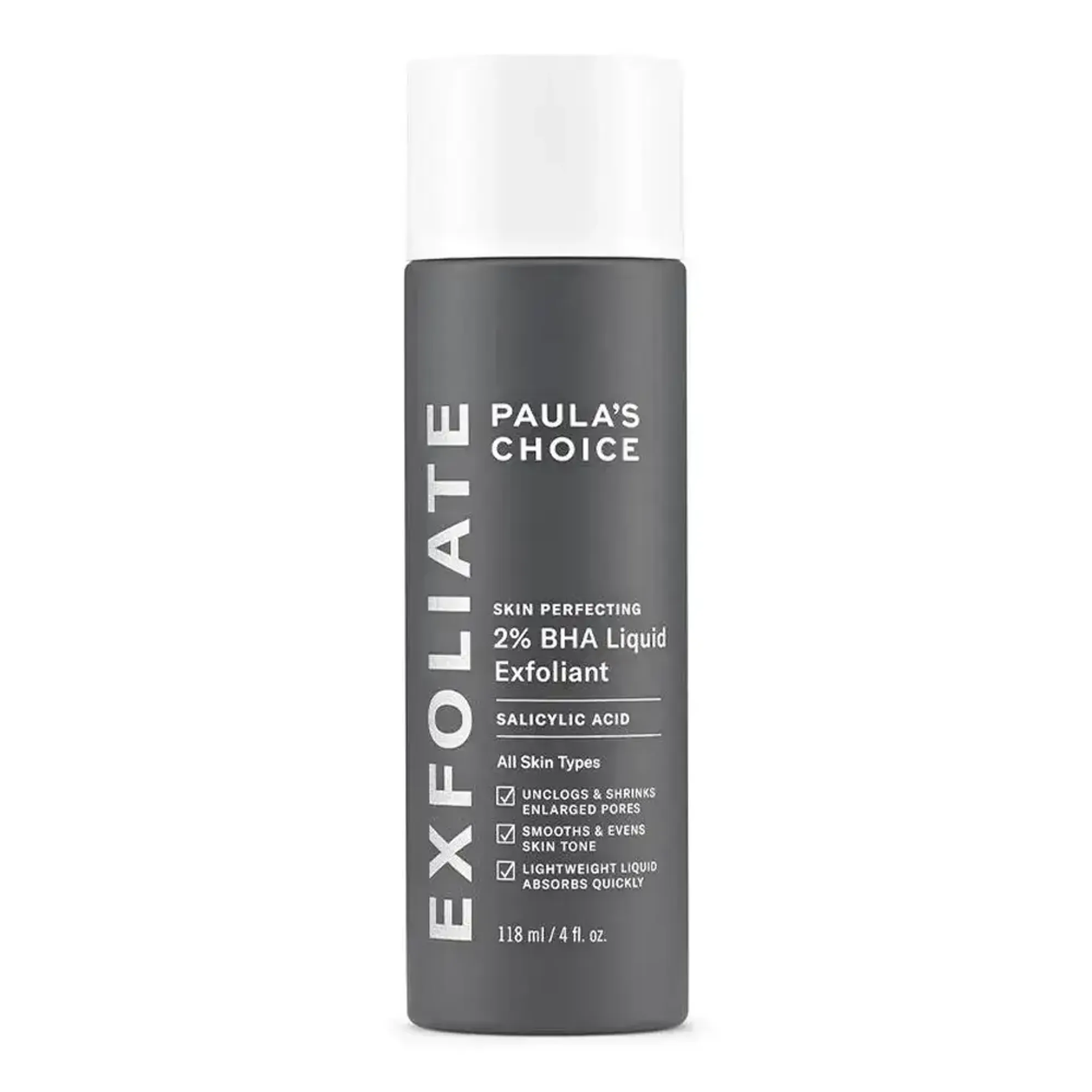
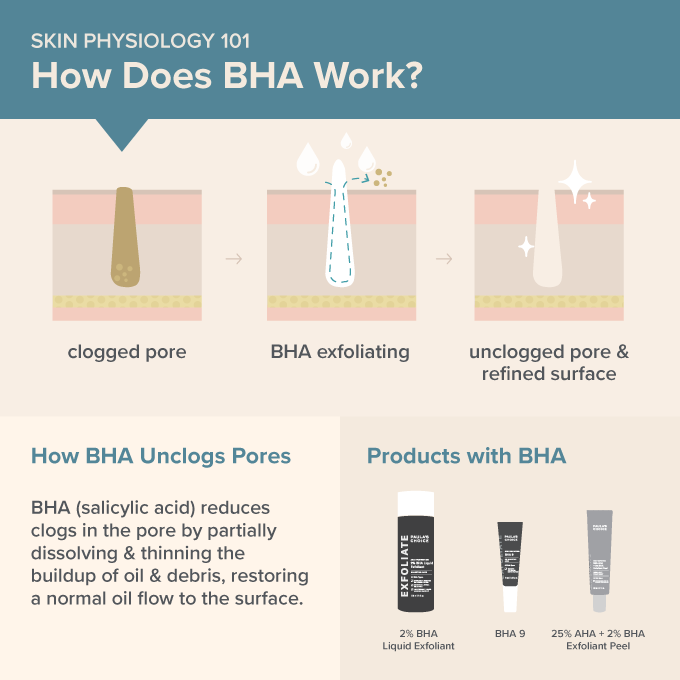
At its core, a Beta Hydroxy Acid, most commonly known as salicylic acid, is a chemical exfoliant designed to penetrate deeper into the skin’s architecture than its counterpart, the Alpha Hydroxy Acid (AHA). While AHAs are water-soluble and primarily work on the surface of the epidermis to remove dead skin cells, BHAs are oil-soluble. This specific chemical property allows them to navigate the natural sebum of the skin and dive deep into the pores, where congestion often begins.
For a brand, explaining this mechanism is an opportunity to showcase expertise. When consumers understand that BHA doesn’t just “scrub” the surface but acts as a decongestant for the follicular lining, they perceive the product as a functional solution rather than a superficial treat. This creates a high-value customer relationship, as the product addresses specific pain points like blackheads, whiteheads, and chronic oiliness.
Understanding Lipophilicity
The lipophilic nature of BHA is the brand’s greatest selling point. In marketing materials, framing the product as an “oil-seeking missile” for the pores resonates with consumers who have historically struggled with traditional abrasive scrubs that only exacerbate irritation. By pivoting the brand strategy toward chemical exfoliation, companies can position themselves as modern, science-forward, and safety-conscious.
The Anti-Inflammatory Advantage
Unlike many other exfoliants that can cause redness or mechanical micro-tears, salicylic acid is derived from willow bark and possesses inherent anti-inflammatory and antibacterial properties. Marketing this dual-action—exfoliation paired with calming capabilities—allows brands to target acne-prone skin without the stigmatizing language of “harsh acne treatments.” This is a sophisticated branding move: repositioning clinical efficacy as gentle, daily maintenance.
Strategic Product Positioning in a Crowded Market
The skincare market is saturated, making differentiation through branding and strategy essential. A BHA exfoliant is rarely a standalone product; it is often the hero of a broader skincare ecosystem. To stand out, brands must align their product positioning with the specific lifestyle needs of their target audience.
Target Personas and the BHA Narrative
Consider the “urban professional” persona—a consumer facing pollution, high-stress environments, and frequent mask-wearing, all of which lead to clogged pores. For this demographic, a BHA exfoliant is marketed as a “reset button” for the skin. The messaging shifts from “treating acne” to “maintaining a clear, polished complexion.” This transition in language is a core pillar of modern brand strategy; it elevates the product from a medicinal necessity to a lifestyle essential.
Sustainability and Ingredient Sourcing
As part of a robust corporate identity, brands must address the sourcing of their BHA. While synthetic salicylic acid is standard for its stability and purity, the trend toward natural-origin ingredients is growing. Brands that can verify the sustainability of their supply chain—perhaps by highlighting the ethical harvesting of willow bark or the commitment to cruelty-free certification—build deeper trust with the conscious consumer. This transparency becomes a brand asset that justifies a premium price point.
Marketing Strategies for High-Conversion Skincare
Selling a BHA exfoliant requires a strategy that balances education with aspiration. Because BHA can be intimidating to those new to “acid” skincare, the marketing collateral must prioritize user education to minimize the barrier to entry.
Content Marketing as an Educational Tool
Brands should leverage long-form content to demystify the BHA experience. Tutorials on “How to Integrate BHA into Your Routine” are far more effective than generic “Buy Now” advertisements. By creating guides that address the “what, why, and how,” a brand establishes itself as a thought leader. Furthermore, creating content that addresses common myths—such as the idea that acids “thin” the skin—helps manage consumer expectations and reduces negative feedback, which is crucial for maintaining a positive brand reputation.
The Role of Social Proof and Influencer Partnerships
In the beauty industry, brand strategy is heavily driven by social proof. Partnering with dermatologists and estheticians to explain the efficacy of your BHA exfoliant provides the clinical validation necessary to convert skeptical buyers. Conversely, partnering with lifestyle influencers demonstrates the aesthetic results—the “glow” that accompanies consistent BHA usage. A bifurcated strategy—clinical expert validation for trust, influencer lifestyle integration for desire—creates a comprehensive funnel that captures both the analytical and the aspirational shopper.
Managing the Consumer Journey: From Curiosity to Loyalty
A successful brand strategy doesn’t end at the point of sale. Because BHA exfoliants require consistent use for results, the strategy must focus on retention.
The Importance of Routine Integration
Brands that offer “routines” rather than “items” see higher lifetime value (LTV). By suggesting pairings—for instance, advising that a BHA exfoliant be used at night followed by a ceramide-rich moisturizer—the brand guides the customer toward a complete regimen. This not only increases the average order value but also ensures the product performs at its best, reducing the likelihood of consumer dissatisfaction due to improper usage.
Handling Negative Feedback and Brand Sentiment
Transparency in brand communication is vital when dealing with active ingredients. Some users may experience “purging”—a temporary breakout period that happens as the BHA clears deep-seated congestion. A proactive brand strategy involves educating the consumer about this phenomenon before they use the product. Including “What to expect” inserts in the packaging or sending follow-up educational emails manages the customer experience effectively. This level of customer care distinguishes premium brands from generic retailers and fosters long-term brand loyalty.
Future-Proofing the Brand in the Skincare Sector
As AI and data analytics begin to play a larger role in beauty, the marketing of ingredients like BHA will become more personalized. Brands that invest in proprietary customer data—understanding exactly how their specific BHA formula impacts different skin types—will be better positioned to offer personalized skincare solutions.
Moving forward, the conversation around BHA exfoliants will likely focus on formulation stability and the integration of microbiome-friendly ingredients. A brand that can formulate a high-efficacy BHA that also respects the skin’s natural barrier will lead the market. By staying agile, focusing on transparent communication, and treating the BHA exfoliant not just as a product but as a solution-oriented experience, brands can solidify their authority in the skincare space. Ultimately, the success of a BHA product in the marketplace is defined by the brand’s ability to combine the cold, hard science of chemistry with the warm, human element of self-care. Through thoughtful strategy, rigorous education, and a customer-centric approach, a BHA exfoliant can become the most trusted pillar of any beauty brand’s portfolio.
aViewFromTheCave is a participant in the Amazon Services LLC Associates Program, an affiliate advertising program designed to provide a means for sites to earn advertising fees by advertising and linking to Amazon.com. Amazon, the Amazon logo, AmazonSupply, and the AmazonSupply logo are trademarks of Amazon.com, Inc. or its affiliates. As an Amazon Associate we earn affiliate commissions from qualifying purchases.