
The global healthcare industry operates on a foundation of precision and hygiene, yet the byproduct of this life-saving work—medical waste—presents a massive logistical and financial challenge. For investors, healthcare administrators, and business analysts, understanding the trajectory of medical waste management is not merely an environmental concern; it is a complex business ecosystem that dictates capital expenditure, regulatory compliance costs, and long-term asset valuation for hospital systems. As the industry shifts toward circular economy models and digital tracking, the financial implications of how we treat, incinerate, and recycle medical waste have become a critical pillar of institutional business finance.
The Economics of Waste Processing and Capital Allocation
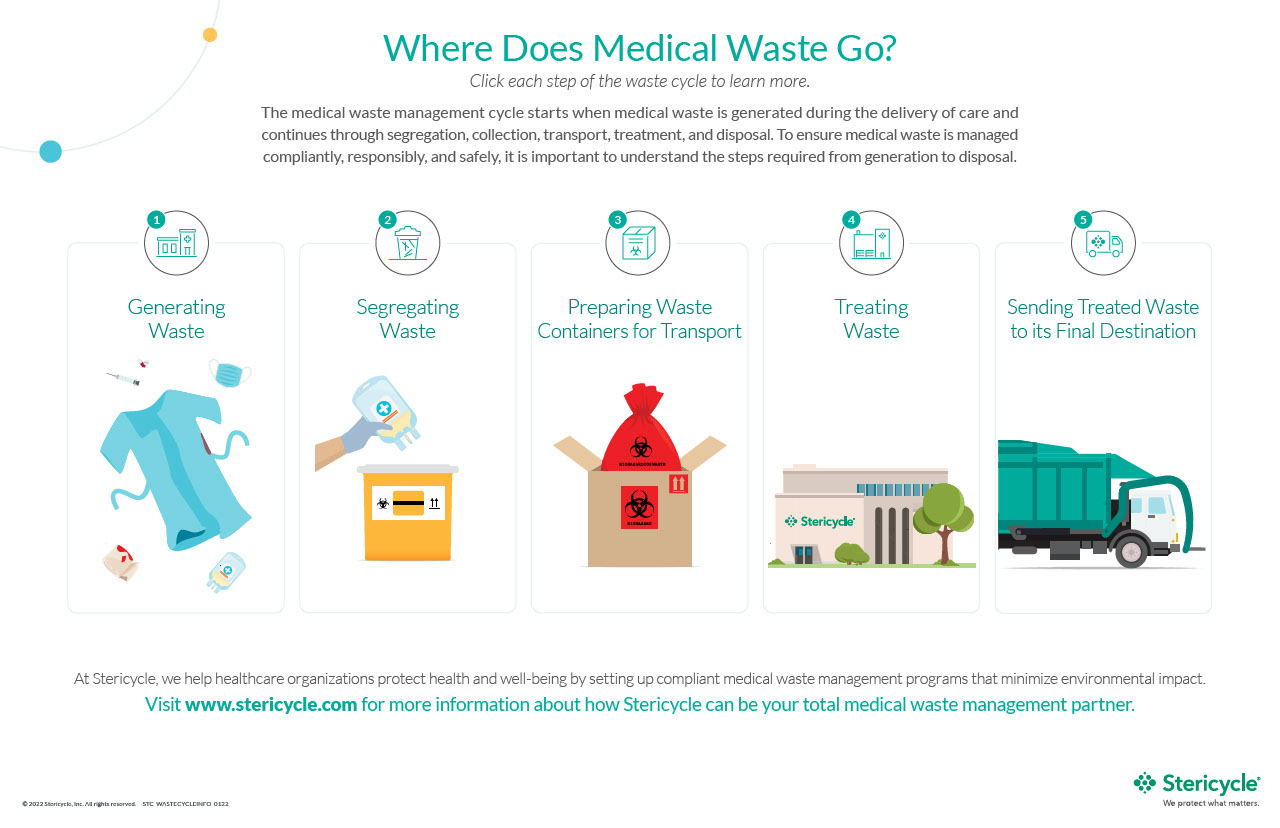
Medical waste management is a capital-intensive service sector characterized by high barriers to entry, strict regulatory oversight, and recurring revenue models. Unlike municipal waste, which benefits from economies of scale and simplified logistics, medical waste requires specialized infrastructure, including autoclaves, industrial shredders, and high-temperature incineration units.
Infrastructure Investment and Operational Costs
Hospitals and clinics must allocate significant portions of their annual operational budgets to the management of “red bag” waste. Because biological and chemical waste cannot be treated as standard trash, institutions must outsource these services to specialized vendors, creating a robust B2B service market. The pricing models for these services are generally driven by volume and hazard classification. Investors eyeing the healthcare support sector often look for companies with long-term service contracts that provide stable, predictable cash flows regardless of economic cycles.
The Regulatory Premium
Regulatory compliance is the primary driver of cost in this sector. The Occupational Safety and Health Administration (OSHA) and the Environmental Protection Agency (EPA) mandate stringent protocols for the collection, transport, and destruction of biohazardous materials. For a business, non-compliance is not just a reputational risk; it is a balance-sheet catastrophe. Fines for improper disposal can reach hundreds of thousands of dollars per violation. Consequently, businesses that provide integrated compliance software—tracking waste from the point of generation to the final incinerator—are seeing rapid growth as they help hospitals mitigate the financial risks associated with regulatory failure.
The Shift Toward Decentralized On-Site Treatment
Historically, the standard industry practice was to package waste and transport it to centralized, off-site commercial incinerators. However, the financial logic is shifting toward decentralized, on-site treatment. By investing in on-site sterilization technology, large hospital networks are attempting to internalize the cost of waste management rather than paying premiums to third-party logistics firms.
ROI on Sterilization Technologies
On-site autoclaving systems convert biohazardous waste into “red-bag-free” medical waste, which can then be disposed of in standard landfills at a fraction of the cost. From a business finance perspective, the initial capital expenditure (CAPEX) for these units is substantial, but the long-term reduction in transportation fees and third-party disposal costs results in a compelling internal rate of return (IRR). Financial analysts now consider these waste-management units as essential long-term assets for large-scale medical facilities, similar to diagnostic imaging hardware or HVAC systems.
Navigating Logistics and Carbon Taxes
As governments increase carbon taxation and environmental reporting requirements, companies that rely heavily on off-site transport are finding themselves at a financial disadvantage. Every mile a truck travels to transport medical waste incurs fuel costs, insurance premiums, and now, carbon-offset liabilities. Businesses that prioritize on-site processing essentially future-proof themselves against these rising logistics costs, positioning their balance sheets to be more resilient in a carbon-conscious regulatory environment.
The Growing Market for Waste Circularity and Resource Recovery
A emerging trend in medical waste is the move toward “circularity.” In the past, the goal was simple destruction. Today, forward-thinking enterprises are exploring ways to monetize the secondary materials generated during the healthcare lifecycle, fundamentally changing the cost-benefit analysis of hospital waste.
Commodity Recovery and Material Value
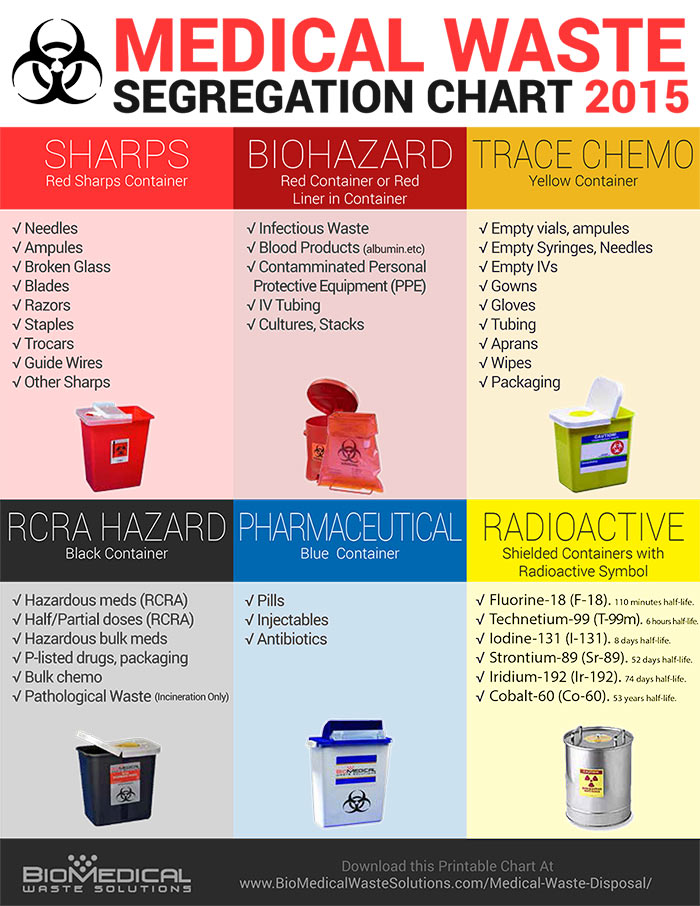
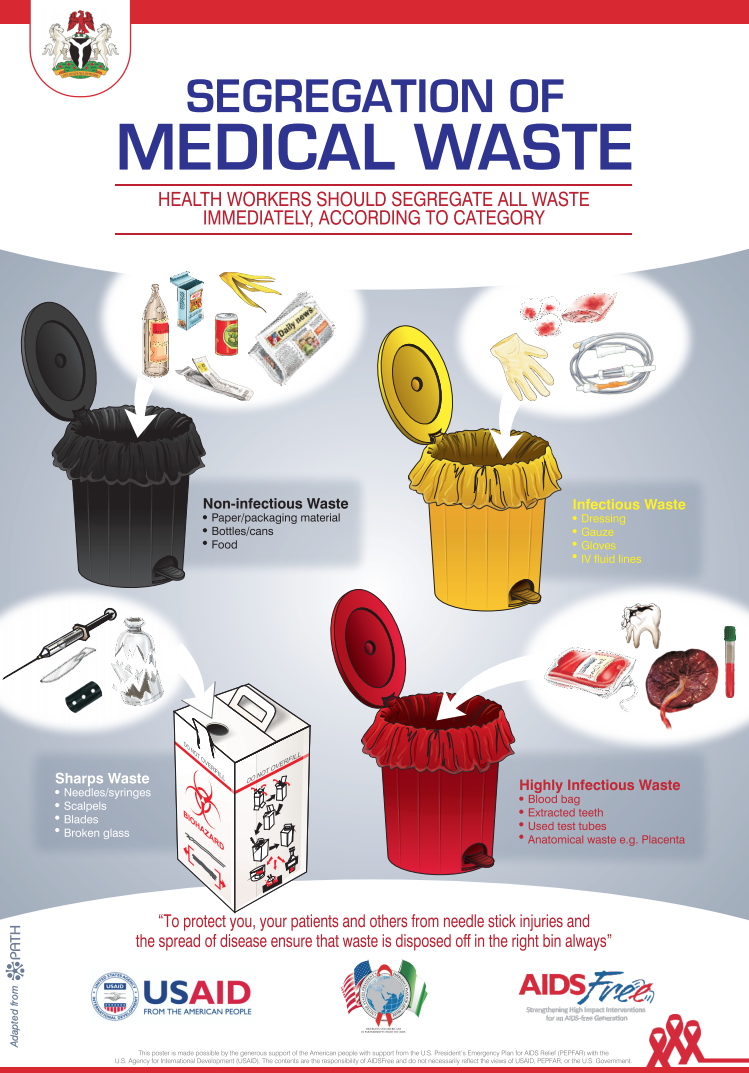
While biohazardous waste remains difficult to repurpose, a vast percentage of hospital waste consists of plastics, metals, and paper that have never been contaminated. High-performing healthcare brands are implementing rigorous “source segregation” strategies. By training staff to isolate recyclable materials at the point of use, hospitals can reduce their total waste tonnage. In some regions, processed and sterilized medical-grade polymers are being sold back into the manufacturing chain, turning a former liability (the cost of disposal) into a modest revenue stream or at least a significant cost offset.
The Role of Procurement Strategy
Waste management is no longer a downstream issue; it is becoming an upstream procurement strategy. By selecting medical supplies packaged in recyclable or biodegradable materials, hospitals can influence their downstream waste costs before the product even enters the building. Chief Financial Officers (CFOs) are increasingly involved in vendor selection, prioritizing suppliers who offer “take-back” programs for devices and packaging. This shift integrates the waste-management cycle directly into the supply chain, forcing medical device manufacturers to compete not just on clinical efficacy, but on the total cost of ownership, which includes the eventual destruction or recycling of the device.
Financial Risk Management in the Waste Sector
The medical waste sector is not without its volatility. Changes in global health crises—such as the recent pandemic—can cause overnight spikes in waste volume, stressing the existing supply chain and causing operational bottlenecks. For investors and stakeholders, understanding how to hedge against these fluctuations is vital.
Scaling for Surge Capacity
During periods of high health demand, waste volumes can increase by over 300%. Traditional business models often struggle to scale at this rate without catastrophic margin erosion. Companies that dominate this space are those that have built “elastic” infrastructure—modular treatment units and flexible logistics contracts that can scale up in times of crisis. These companies represent a more stable investment because they have stress-tested their revenue models against extreme volume variability.
The Future of Smart Waste Assets
We are witnessing the integration of Internet of Things (IoT) sensors into medical waste bins and processing units. These smart systems provide real-time data on waste weight, hazardous composition, and disposal status. For a business, this is a treasury management opportunity: by having granular data on exactly what is being thrown away, administration can identify waste-heavy departments and implement cost-cutting measures. Data-driven waste management reduces “leakage” in the budget, allowing hospitals to reallocate funds to clinical priorities.
Ultimately, medical waste is an unavoidable expense of modern medicine, but it is one that is increasingly being managed through the lens of efficiency, sustainability, and financial discipline. For the healthcare executive, the objective is clear: minimize the cost of destruction, maximize the efficiency of logistics, and leverage data to optimize the entire waste lifecycle. The organizations that master these financial and operational components will hold a distinct competitive advantage, lowering their overhead while strengthening their resilience in an increasingly complex and regulated global healthcare economy.
aViewFromTheCave is a participant in the Amazon Services LLC Associates Program, an affiliate advertising program designed to provide a means for sites to earn advertising fees by advertising and linking to Amazon.com. Amazon, the Amazon logo, AmazonSupply, and the AmazonSupply logo are trademarks of Amazon.com, Inc. or its affiliates. As an Amazon Associate we earn affiliate commissions from qualifying purchases.