
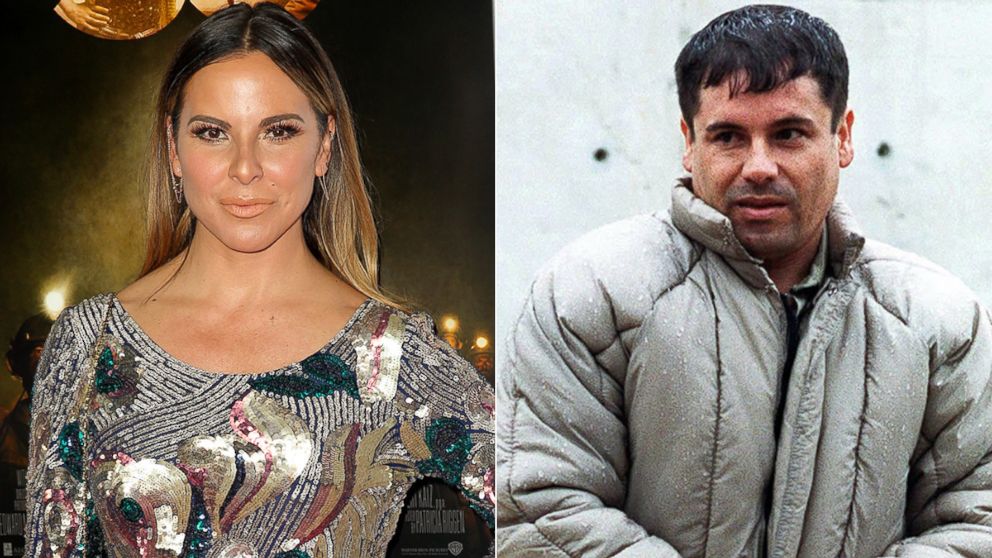
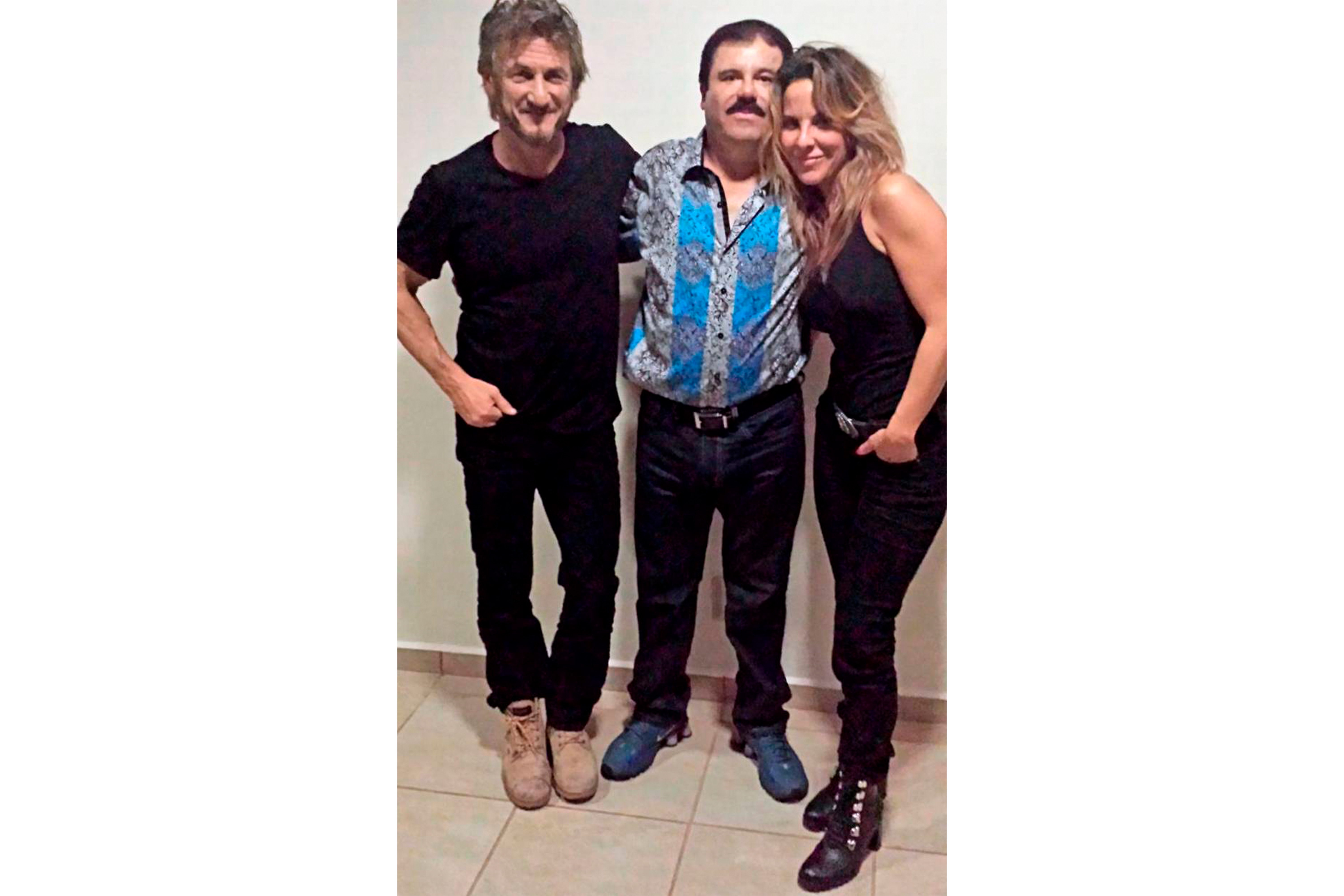
The intersection of celebrity and controversy often provides the most rigorous stress test for a personal brand. When Mexican actress Kate del Castillo facilitated a secret meeting between Hollywood actor Sean Penn and the fugitive drug lord Joaquín “El Chapo” Guzmán in 2015, she was thrust into a firestorm that transcended tabloid gossip. From a branding perspective, this episode serves as a quintessential case study in the perils of high-stakes influence, the fragility of public perception, and the complex mechanics of reputational recovery in the digital age.
The Architect of Influence: Positioning and Partnerships
Before the 2015 incident, Kate del Castillo’s brand was built on a foundation of empowerment, independence, and artistic courage. Known for her iconic role in La Reina del Sur, she occupied a unique space in the Latin American entertainment market—a brand that signaled strength and defiance against conventional archetypes.
Strategic Brand Positioning
Del Castillo’s personal brand was carefully curated to project authenticity. She was seen as a woman who spoke truth to power, a narrative that resonated deeply with her audience. Her brand equity was not merely derived from her acting accolades but from a persona that valued agency and political commentary. However, personal brands are often victims of their own success; when a brand is positioned on the edge of audacity, the boundaries between professional risk-taking and strategic liability become dangerously blurred.
The Perils of High-Profile Collaboration
The decision to engage with Guzmán was, in essence, a high-stakes partnership move. While the motivation may have been rooted in a desire to produce a biographical film—a move to pivot from actor to producer/content creator—the execution lacked the necessary branding safeguards. In the world of high-profile partnerships, due diligence is the primary defense against catastrophic reputational damage. By bypassing standard institutional protocols in favor of clandestine direct action, del Castillo inadvertently jeopardized the corporate and individual value she had spent decades cultivating.
The Crisis Phase: Managing Public Perception and Narrative Control
When the story broke, the narrative surrounding del Castillo shifted almost instantly from “accomplished actress” to “associate of the world’s most dangerous criminal.” This is the nightmare scenario for any personal brand: a loss of control over the primary narrative.
The Vacuum of Information
During the initial days of the scandal, there was a total information vacuum. In the absence of a proactive PR strategy, the media and the public filled the void with speculation. For a personal brand, the first 48 hours of a crisis are critical. Del Castillo’s initial silence, intended perhaps to allow the legal situation to stabilize, allowed external actors—the Mexican government, international media, and political opponents—to dictate the terms of her identity.
Victimization vs. Accountability
As the crisis unfolded, the brand narrative attempted to pivot toward victimization. The argument presented was that her actions were those of a producer pursuing a story, and that she was being targeted by the state due to gender bias and political optics. While this strategy successfully galvanized a segment of her core audience, it alienated the broader, more corporate-adjacent segments of her brand ecosystem. A personal brand that is embroiled in a political and legal firestorm loses its neutrality; it ceases to be a “safe” investment for sponsors, networks, and production houses, as the brand itself has become a polarizing focal point rather than a professional vessel.
Reputational Recovery and Brand Reinvention
Recovery from a scandal of this magnitude requires more than a simple public relations campaign; it requires a systematic re-engineering of the personal brand’s architecture.
The Pivot to Production and Advocacy
Post-crisis, del Castillo did not retreat from the public eye. Instead, she leveraged the notoriety to lean further into her brand’s core tenets: independence and resilience. By continuing her work as a producer and staying active in human rights and social justice, she effectively transitioned the “rebel” aspect of her brand from a potential negative (rebellious against the law) to a positive (rebellious against systemic corruption). This is a delicate balancing act. To survive, a brand must demonstrate that its core values—the “why” behind its existence—remain untainted by the incident.
The Long Game of Brand Equity Restoration
Brand equity restoration is a slow process, measurable in years rather than months. It involves moving away from the “incident” and toward the “industry value.” For del Castillo, this meant refocusing on the quality of her output, her business ventures (including her tequila brand, which served as a diversification strategy away from the volatility of acting), and her continued presence in prestige television. Diversification is a critical tool for personal brands; by owning her own business interests, she reclaimed control over her professional trajectory, ensuring that her income and public-facing identity were no longer solely dependent on the whims of third-party studios or public perception.
Lessons for Personal Brand Strategy
The case of Kate del Castillo and El Chapo provides several enduring lessons for any individual seeking to build and maintain a professional persona in the 21st century.
The Danger of Brand Dilution
When a brand becomes synonymous with a single controversial event, it suffers from severe dilution. The audience stops seeing the professional and starts seeing the conflict. Managing this requires a deliberate effort to separate the person from the event through consistent, high-value professional output. If you are known for a crisis, your next five projects must be of such high caliber that they reclaim the narrative.
Authenticity vs. Recklessness
In the era of social media, “authenticity” is the most sought-after currency. However, there is a fine line between authentic self-expression and reckless professional conduct. Personal brands thrive on edges, but crossing into the territory of illegal or dangerous associations—even if with the intent of “storytelling”—can fundamentally shift the brand’s risk profile to an untenable level. Strategy requires foresight; it requires asking not just “Can I do this?” but “What does this do to my brand’s longevity?”

The Resilience of the Personal Brand
Ultimately, the del Castillo case demonstrates that while a personal brand can be severely damaged, it is rarely permanently destroyed if the individual possesses high-level talent and a loyal, pre-existing audience. Her ability to weather the storm was predicated on the fact that her audience had a deep-rooted belief in her professional capabilities. Her brand survived because it was built on substance, not just optics.
In conclusion, the saga of Kate del Castillo and El Chapo remains a stark reminder that in the high-stakes world of personal branding, the most dangerous variables are often the ones you choose to introduce yourself. It serves as a testament to the necessity of strategic discipline, the power of crisis management, and the reality that in the digital era, every action is a marketing decision that contributes to—or subtracts from—the total value of the brand. Protecting one’s brand requires more than PR; it requires a conscious, ongoing commitment to aligning one’s actions with the long-term goals of the personal enterprise.
aViewFromTheCave is a participant in the Amazon Services LLC Associates Program, an affiliate advertising program designed to provide a means for sites to earn advertising fees by advertising and linking to Amazon.com. Amazon, the Amazon logo, AmazonSupply, and the AmazonSupply logo are trademarks of Amazon.com, Inc. or its affiliates. As an Amazon Associate we earn affiliate commissions from qualifying purchases.