
When we examine the trajectory of history’s greatest powers, we often view them through the lens of political shifts or military conquest. However, if we translate the fall of the Persian Empire into the language of modern business, we see a masterclass in how a dominant global brand loses its competitive advantage, fails to adapt its corporate identity, and ultimately suffers a total market collapse. The Achaemenid Empire was once the ultimate global enterprise, setting the industry standards for logistics, regional integration, and administrative infrastructure. Yet, its demise offers critical lessons for today’s market leaders about the dangers of bureaucratic stagnation, the dilution of core brand values, and the failure to pivot in the face of disruptive competitors.
The Scalability Trap: Bureaucratic Bloat and Operational Friction
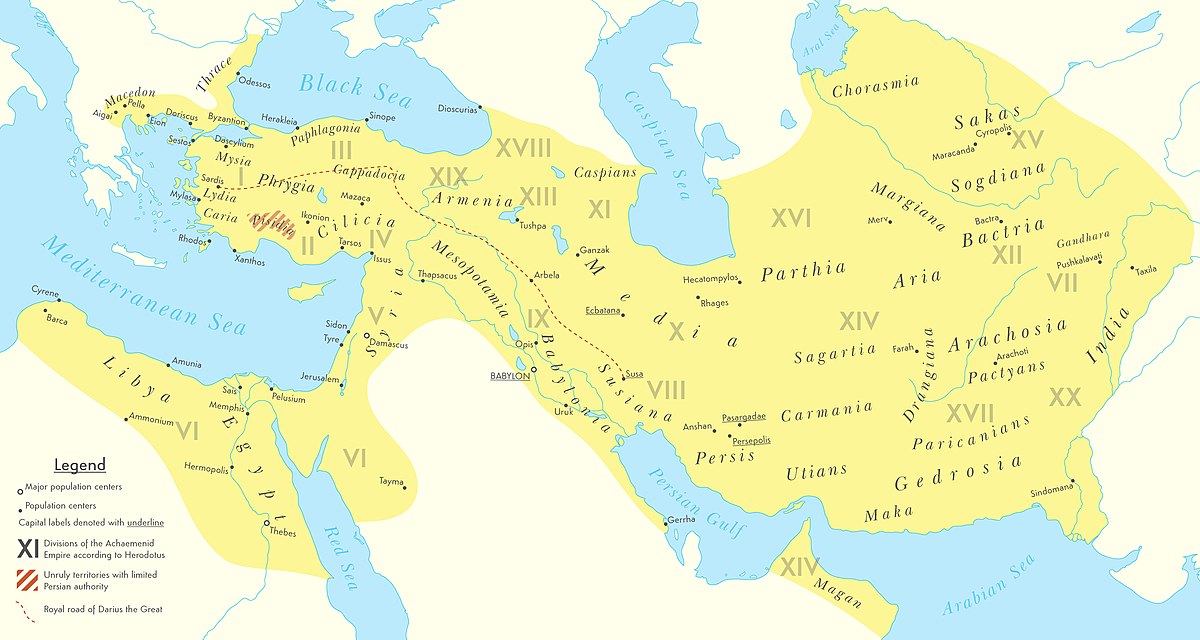
At its peak, the Persian Empire functioned like a vast, vertically integrated conglomerate. The implementation of the satrapy system was, for centuries, a revolutionary organizational structure. By decentralizing governance while maintaining a unified vision through the King of Kings, the empire successfully managed diverse product lines—cultural, linguistic, and economic—across three continents. For a long period, this was the benchmark for operational excellence.
The Cost of Organizational Inertia
The primary challenge of a scaling brand is maintaining agility. As the Persian administrative apparatus grew, it became increasingly resistant to change. In business terms, the “corporate headquarters” in Persepolis became disconnected from the “local markets” in the periphery. Layers of mid-level management—the satraps—began to prioritize regional autonomy over the central brand mission. When a brand becomes too cumbersome to facilitate communication between the board and the frontline, the entire structure becomes susceptible to internal fractures. The Persian Empire’s failure to streamline its decision-making process meant that by the time internal unrest or external threats emerged, the mechanism for response was too slow and fragmented to execute a coherent counter-strategy.
Dilution of the Core Value Proposition
A brand is only as strong as its promise to the consumer. For the Persian Empire, that promise was one of order, protection, and economic stability. As the empire expanded, the sheer cost of maintaining the brand—the massive military expenditures and the infrastructure required to hold such a diverse portfolio—began to outweigh the benefits. The fiscal burden shifted from investment in development to mere overhead maintenance. When a business spends more on sustaining its existing structure than on innovating or serving its stakeholders, the brand identity inevitably begins to erode.
Disruptive Competitors and the Failure of Strategic Positioning
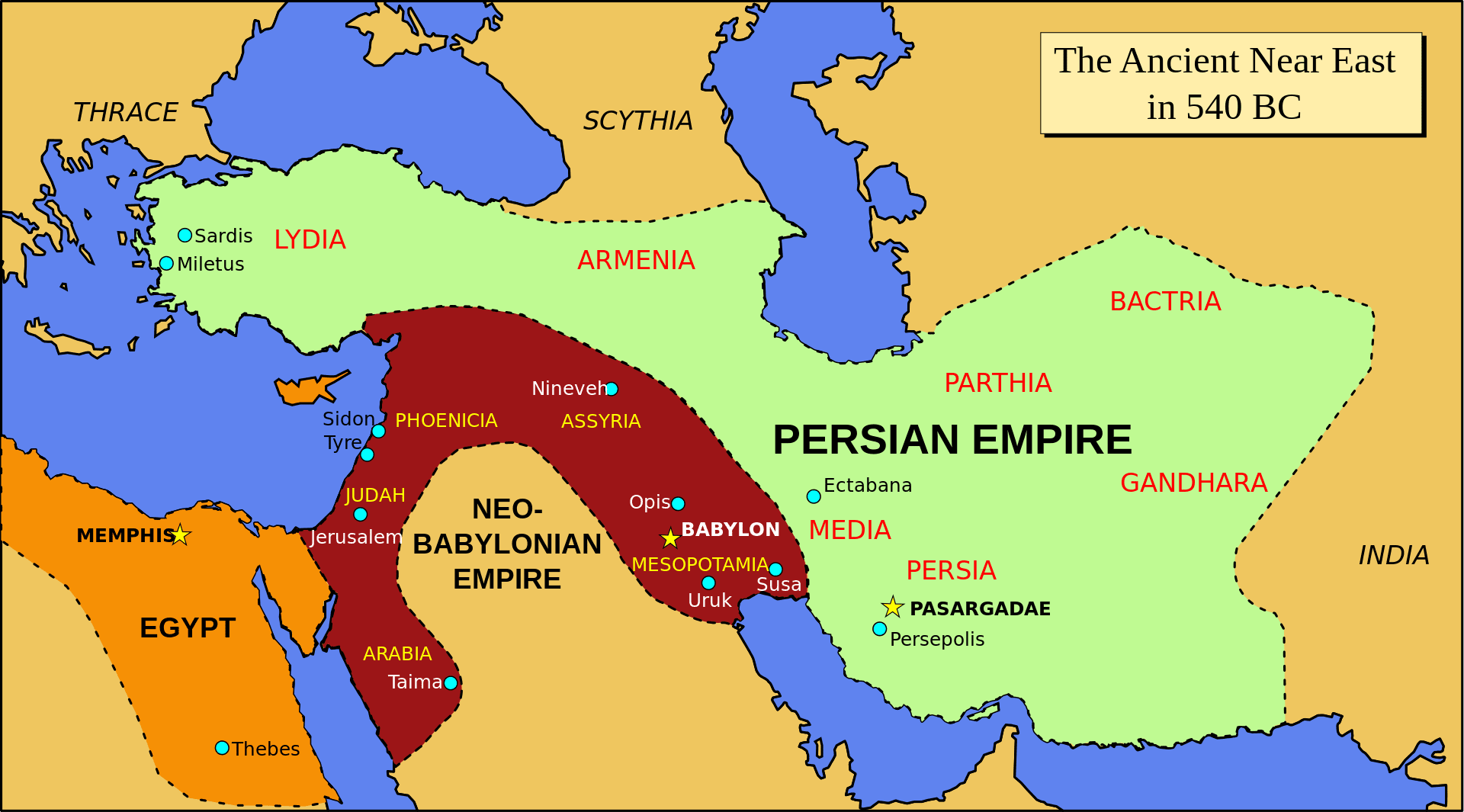
Every market leader eventually faces a disrupter—a leaner, more aggressive player that ignores the established rules of engagement. Alexander the Great did not simply outmaneuver the Persians; he fundamentally changed the competitive landscape. While the Persians relied on their historical brand prestige and established operational models, Alexander introduced a new, high-growth methodology that rendered the old way of doing business obsolete.
Underestimating the Lean Startup
Alexander’s Macedonian force was, by comparison, a lean startup. They utilized highly specialized, innovative tactics—such as the phalanx and superior cavalry coordination—that attacked the Persian brand’s weaknesses directly. The Persians were operating on legacy systems that valued mass and predictability. The Macedonian model was built on speed, adaptability, and high-impact tactical shifts. The lesson here is clear: no amount of market share or historical brand authority can protect a business that refuses to update its tactical toolkit. When a competitor enters the market with a more efficient way to deliver the “product”—in this case, power and territory—the legacy player finds its market share being eroded by those who can deliver the result faster and with less overhead.
Market Vulnerability Through Complacency
The Persian Empire suffered from the classic trap of the incumbent: the assumption that market dominance is a permanent state. Because they had successfully controlled their environment for centuries, the leadership grew complacent. They failed to invest in market intelligence—failing to anticipate the rise of a unified, highly focused Macedonian threat. In business, this is the equivalent of ignoring an emerging digital trend or a new technological disruption that threatens to make your entire business model redundant. By the time the Persians realized their strategic positioning was compromised, their ability to reposition was hampered by a lack of capital, internal political infighting, and a workforce—or in this case, a military—that had lost its belief in the brand’s mission.
Brand Rehabilitation and the Legacy of Influence
Even after the “corporate entity” of the Achaemenid Empire collapsed, its brand equity remained arguably the most valuable intellectual property in the region. The subsequent rulers, including the Hellenistic dynasties and the Parthians, did not dismantle the Persian system; they rebranded it. They understood that the infrastructure—the roads, the courier systems, the fiscal policies—was a superior product. This is a common phenomenon in the corporate world: when a company collapses, its assets are acquired by competitors who recognize that the foundation is still sound, even if the management was not.
The Persistence of Brand Identity
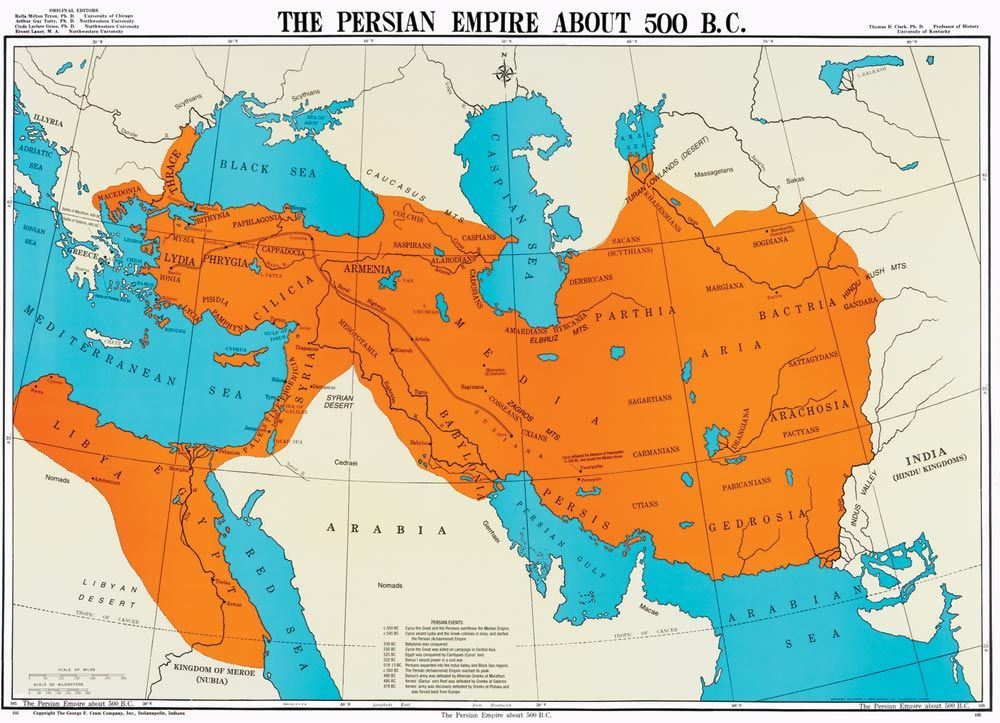
The Persian brand survived its own collapse because it was built on a strong cultural and structural foundation that transcended individual leadership. The “Royal Road” and the standardized currency weren’t just temporary solutions; they were innovative designs that redefined how international commerce and communication functioned. Even after the empire as a political entity vanished, the brand identity of Persia persisted, proving that a truly strong brand architecture can outlast the organization that created it.
Lessons for Modern Corporate Strategy
The collapse of the Persian Empire serves as a cautionary tale for any organization aiming for global scale. First, prioritize agility over absolute control. Second, never become so attached to your legacy processes that you fail to see the rise of more efficient, disruptive methodologies. Finally, recognize that your organization is ultimately a reflection of its internal culture. If that culture becomes bloated, inward-looking, and disconnected from the needs of the stakeholders, the brand will eventually lose its ability to defend itself against the competition. Success in the modern era requires the ability to maintain the structural integrity of a large-scale operation while retaining the hunger and speed of a newcomer. The Persians were the masters of their age, but their story serves as a reminder that the market is inherently dynamic, and for those who stand still, the collapse is not a question of if, but when.
aViewFromTheCave is a participant in the Amazon Services LLC Associates Program, an affiliate advertising program designed to provide a means for sites to earn advertising fees by advertising and linking to Amazon.com. Amazon, the Amazon logo, AmazonSupply, and the AmazonSupply logo are trademarks of Amazon.com, Inc. or its affiliates. As an Amazon Associate we earn affiliate commissions from qualifying purchases.