
The era of commercial spaceflight is no longer a vision of the distant future; it is a burgeoning sector of the global economy. As private companies like SpaceX, Blue Origin, and Axiom Space redefine the logistics of low Earth orbit (LEO), the professional profile of the “astronaut” is undergoing a radical transformation. No longer the exclusive domain of government-funded national space agencies, the human element in space is now a key asset in a rapidly maturing commercial marketplace. Understanding what happens to these individuals—not just in the vacuum of space, but in the context of their career trajectory, branding, and the corporate ecosystems that support them—is essential for grasping the current state of the aerospace industry.
The Shift from Public Servants to Commercial Assets
For decades, the archetype of the astronaut was defined by the civil servant model. Astronauts were military test pilots or highly specialized academics employed by agencies such as NASA, ESA, or Roscosmos. Their professional identity was tethered to national prestige and scientific advancement. Today, the “astronaut” has evolved into a multi-faceted brand entity, moving between corporate employment, entrepreneurial ventures, and high-stakes consultancy.
The Rise of the Private Mission Specialist
With the advent of commercial crew programs, the astronaut has become an integral part of corporate strategy. Companies are no longer just hiring technicians; they are hiring brand ambassadors who represent the safety, reliability, and innovative prowess of their respective firms. When a commercial astronaut steps into a capsule, they are acting as the face of a brand strategy that demands absolute precision. This transition has changed the recruitment cycle, prioritizing candidates who possess not only technical mastery but also the ability to communicate the mission’s value proposition to investors, regulators, and the general public.
The Branding of Space Exploration
The successful execution of a private space mission is now as much about media coverage as it is about propulsion systems. Astronauts today find themselves managing a personal brand that requires constant alignment with the corporate identity of the company facilitating the flight. This convergence of personal branding and corporate narrative is a hallmark of the new space economy. The astronauts are the primary influencers of an industry that relies heavily on capital investment and public sentiment to sustain its operational momentum.
Career Longevity and the Post-Flight Economy
What happens to an astronaut after the mission concludes? In the past, the post-flight career path was relatively linear, often leading to roles within agency management, academia, or private sector defense contracting. Today, the post-flight trajectory is significantly more diverse, reflecting the complexity of the commercial ecosystem.
The Consultant-Entrepreneur Nexus
Many former astronauts have pivoted to roles that leverage their unique experiences in the high-stakes environment of orbital life. They often serve as board members, strategic advisors, or venture partners for aerospace startups. Because these individuals have lived through the engineering constraints of spaceflight, their insight into design optimization and safety compliance is invaluable to emerging firms. This has created a secondary market for specialized consulting, where the “astronaut” serves as the ultimate authority on feasibility studies and product roadmap validation.

Leveraging Visibility for Thought Leadership
The global visibility garnered during a mission provides a massive platform that many astronauts choose to monetize through thought leadership. By participating in the discourse surrounding future space policy, ethical space law, and sustainable space management, they establish themselves as authorities in an industry that is only just beginning to formalize its regulatory frameworks. This shift from “operator” to “industry voice” is a strategic move that sustains their professional relevance long after their final descent.
Infrastructure, Design, and Human Factors
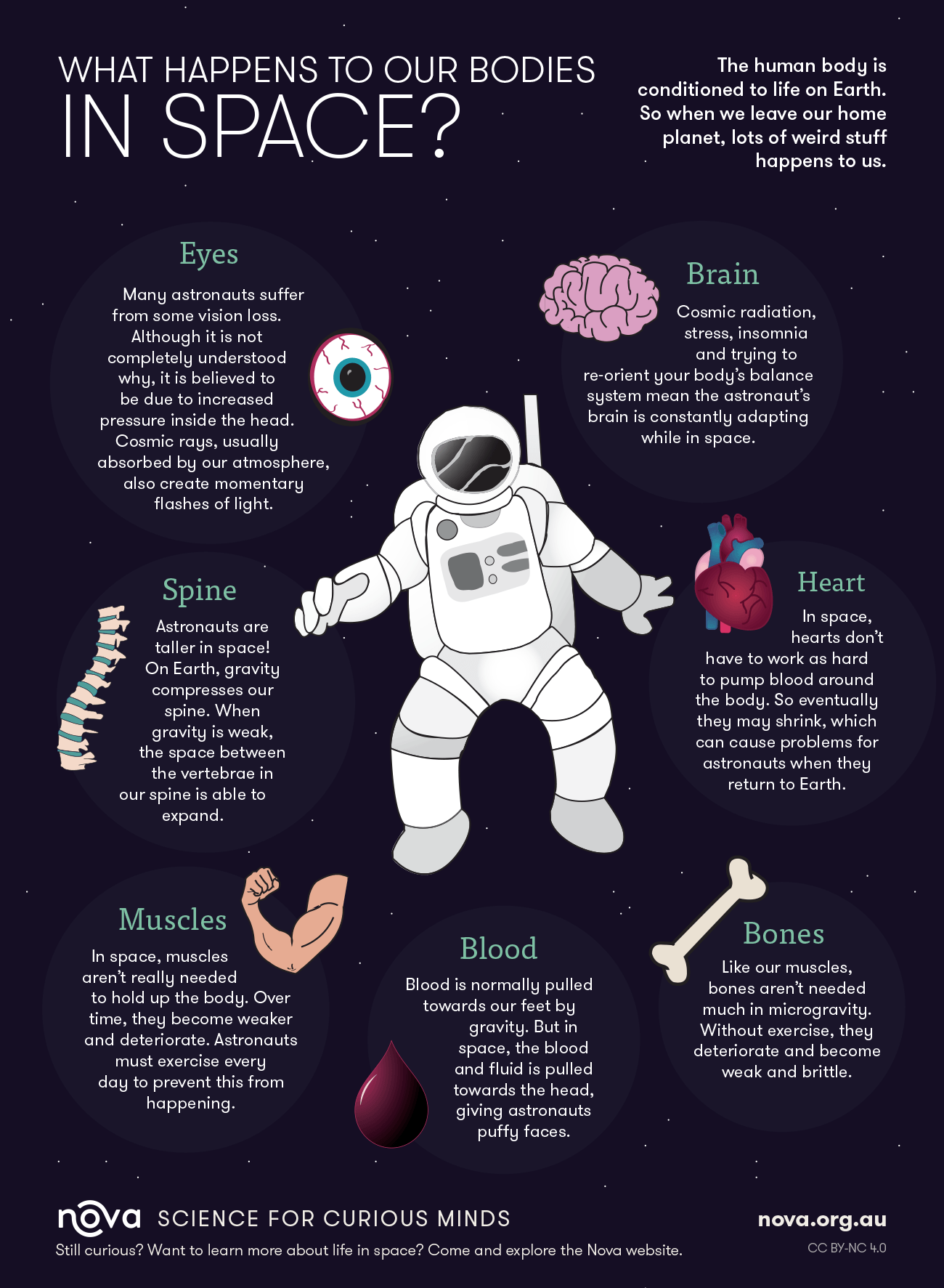
The physical and psychological toll of spaceflight is a well-documented technical challenge, but the commercial sector has turned these human factors into a core component of their business strategy. Companies that specialize in human-centric design—creating habitats, life support systems, and ergonomic interfaces—are currently enjoying a surge in investment.
Designing for the Human-Computer Interface
One of the most critical aspects of current aerospace technology is the refinement of the Human-Computer Interface (HCI). As missions become more autonomous, the astronaut’s role shifts from manual piloting to systems oversight. The design of these interfaces is a massive software and hardware challenge. Companies that successfully bridge the gap between complex orbital data and intuitive, user-friendly controls are setting the standard for the entire industry. The astronaut’s feedback loop is the primary data source for these iterations, making them not just users, but co-developers of the next generation of space software.
The Importance of Human Reliability in Corporate Risk
For insurance firms and investors, the “human factor” is the greatest variable in the cost-benefit analysis of space missions. Consequently, the training programs provided by private space companies are increasingly focused on high-fidelity simulation and mental resilience. By treating the human occupant as a sophisticated piece of “living hardware,” companies are optimizing their risk management protocols. This approach allows them to offer more reliable service level agreements (SLAs) to their clients, which in turn fuels the growth of the commercial LEO market.
The Future of the Professional Astronaut
As we look toward the potential for lunar bases and Mars exploration, the role of the astronaut will continue to evolve. The professional landscape is moving toward a more decentralized model, where training is localized, modular, and tailored to specific mission objectives.
Training as a Service (TaaS)
We are beginning to see the emergence of “Training as a Service” models, where third-party firms provide specialized physiological and technical preparation for prospective astronauts. This democratizes access to spaceflight and creates a new revenue stream for experts who can package their flight experience into comprehensive, replicable training curricula. This commodification of knowledge represents the final frontier of the commercialization of space.
Ensuring Long-Term Industry Sustainability
The future of this sector depends on the consistent success of these missions. Every time an astronaut returns safely, the commercial value of the industry increases. The investment community watches these outcomes closely; each successful launch is a proof point that reduces the cost of capital for future endeavors. The astronauts of tomorrow will not just be explorers; they will be the operators of a multi-trillion-dollar logistical network that connects Earth to the celestial environment.
In summary, the story of the modern astronaut is a case study in industrial evolution. They are no longer just travelers; they are the bridge between scientific potential and commercial reality. Whether they are advising on the design of a new spacecraft, leading a private mission, or consulting on the legal frameworks of orbital habitation, their professional journey has become the backbone of a new economic era. The infrastructure of the space industry is being built around their needs, their feedback, and their success. As technology accelerates and the barrier to entry lowers, the lessons learned from these pioneers will define how humanity organizes its presence beyond the atmosphere, turning the void of space into a functional, sustainable, and highly profitable extension of our global economy.
aViewFromTheCave is a participant in the Amazon Services LLC Associates Program, an affiliate advertising program designed to provide a means for sites to earn advertising fees by advertising and linking to Amazon.com. Amazon, the Amazon logo, AmazonSupply, and the AmazonSupply logo are trademarks of Amazon.com, Inc. or its affiliates. As an Amazon Associate we earn affiliate commissions from qualifying purchases.