
The story of the Puritans is often reduced to a simplistic historical narrative: a group of religious dissenters who sailed to the New World, established a strict moral code, and eventually faded into the background of American identity. However, when we analyze this through the lens of brand strategy and corporate identity, the “Puritan brand” reveals a masterclass in organizational culture, mission-driven positioning, and eventual market obsolescence. The transition of the Puritan influence from a dominant socio-political authority to a vestigial cultural archetype provides a profound case study in how belief systems—whether religious or corporate—sustain themselves, evolve, or collapse under the weight of changing environments.
The Architecture of a Cohesive Brand Identity
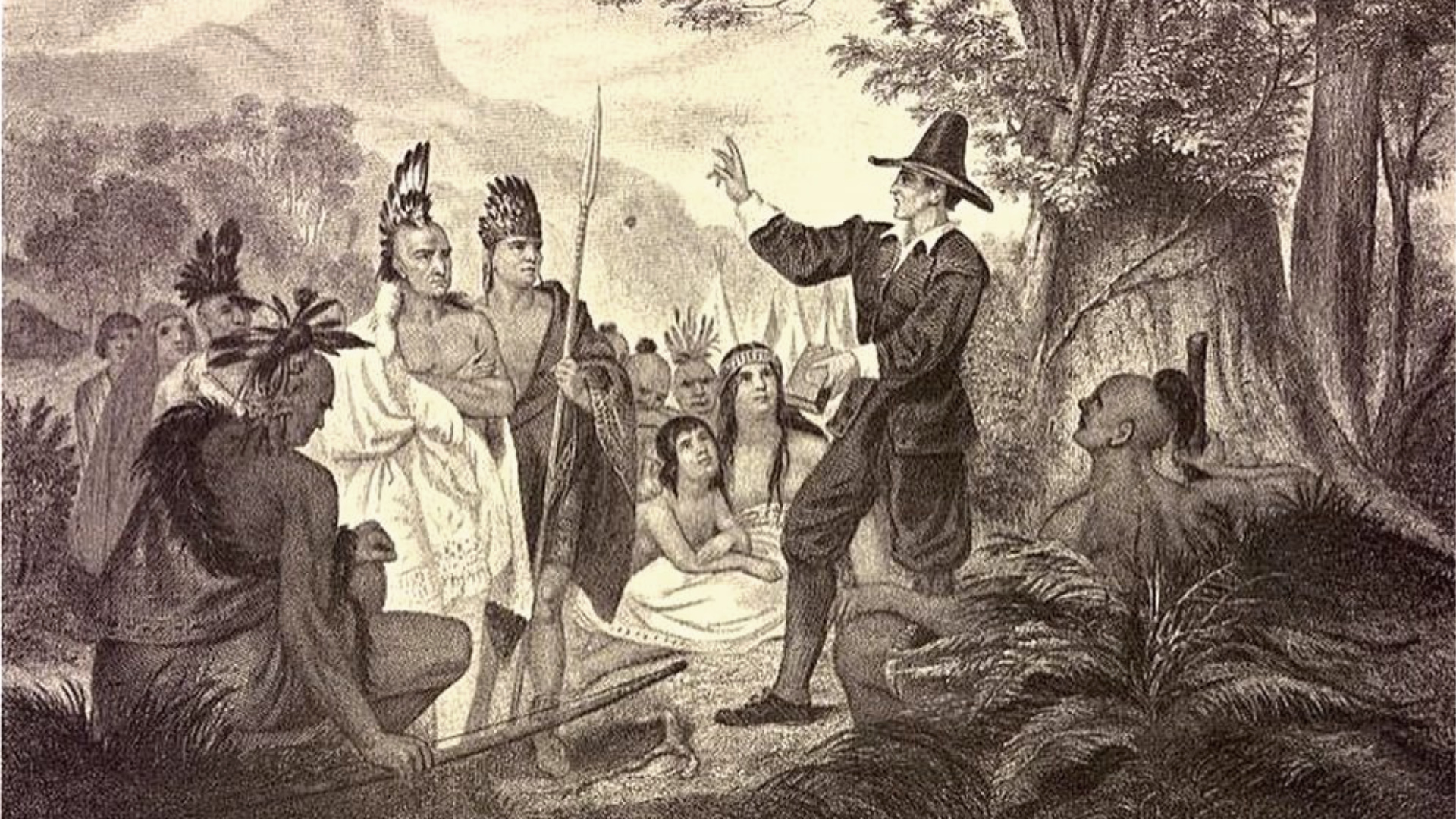
To understand the Puritans, one must first look at them as a high-alignment organization. They were not merely a collection of individuals; they were a tightly governed “startup” culture with a singular vision. Their product was clear: the “Covenant,” a binding agreement between the community and the divine. In modern branding terms, the Puritans possessed an incredibly strong USP (Unique Selling Proposition) and a rigorous internal culture that ensured every member was operating from the same mission statement.
The Power of Cultural Uniformity
Puritan leadership utilized what we might call “brand policing” to maintain the integrity of their identity. By establishing tight-knit communities where behavior was monitored and codified, they ensured that the “brand experience”—both internal and external—was consistent. Every garment, sermon, and public interaction served to reinforce the core identity. This level of consistency is the dream of any corporate strategist. It created high trust among the members and an intimidating, recognizable silhouette for the external market (non-believers and neighboring colonies).
Mission-Driven Scalability
The Puritans scaled their influence not through traditional marketing, but through the replication of their organizational model. By founding schools, churches, and governing bodies based on their ideological framework, they effectively “franchised” their culture. They understood that to maintain a strong brand, the infrastructure of that brand must be deeply embedded in the daily life of the consumer—in this case, the congregant. This is the bedrock of corporate culture building: when the ideology is indistinguishable from the daily operation, the brand becomes near-invincible.
Market Saturation and the Erosion of Competitive Advantage
As the seventeenth century progressed, the Puritans encountered the classic corporate pitfall of market saturation followed by rapid disruption. Their competitive advantage—that extreme, uncompromising dedication to a specific worldview—eventually became their primary liability in an expanding, pluralistic market.
The Rigidity Paradox
In brand strategy, there is a fine line between a focused identity and a rigid one. The Puritans were remarkably successful while operating within a closed loop. However, as the American colonies grew and integrated more diverse groups, the Puritan brand struggled to pivot. They were built for preservation and purity, not for iteration. When an organization refuses to iterate its product to meet the needs of a changing demographic, it invites disruption. For the Puritans, this disruption came in the form of shifting economic realities and the Enlightenment’s burgeoning focus on individualism and empiricism.
The Cost of High-Barrier Entry
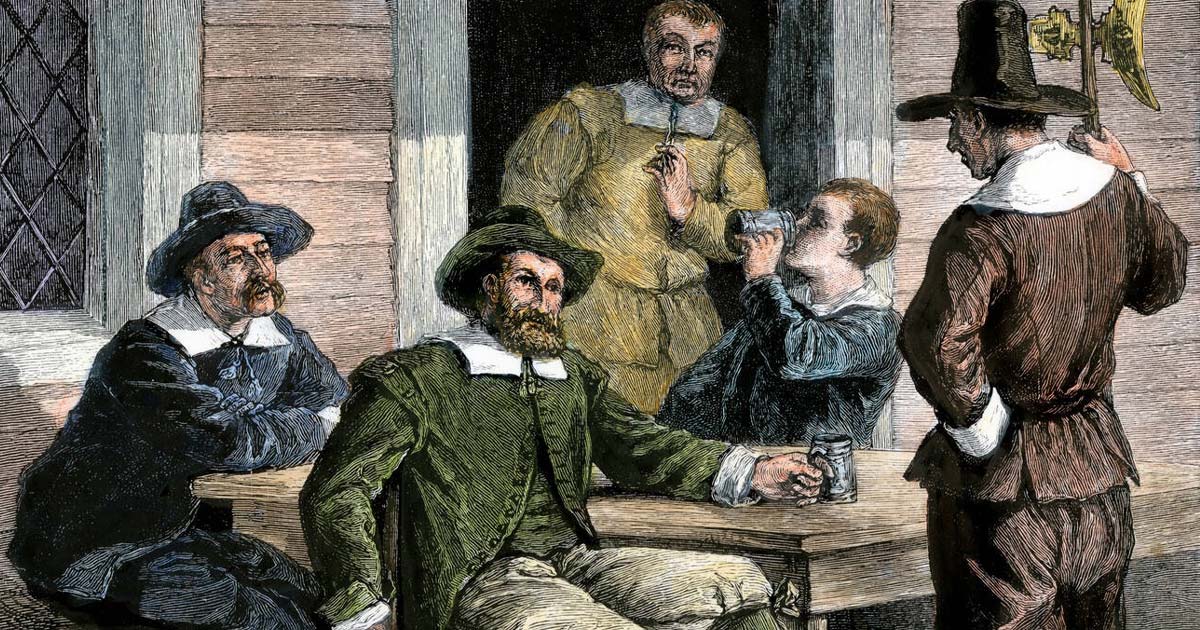
The Puritan “user experience” was defined by a high barrier to entry. To be a “visible saint”—the tier of the elite within their society—required an exhaustive standard of behavior. As the population expanded, the labor required to sustain this high-barrier identity became inefficient. Potential members chose lower-friction belief systems, much like consumers today abandon complex, high-maintenance software platforms for intuitive, frictionless alternatives. The brand became too expensive to maintain, both in terms of social capital and psychological energy.
The Pivot to Secularism: Why the Brand Faded
What happened to the Puritans was not a sudden collapse, but a long-term rebranding process. As the socio-economic environment transformed, the core tenets of their culture were absorbed into the broader American corporate and civic DNA. This is a common phenomenon in corporate history: when a brand is too iconic to die, it gets “acquired” and its assets are absorbed by the conglomerate.
Asset Reallocation
The Puritan emphasis on industry, frugality, education, and the “calling” did not vanish; it was stripped of its specific theological packaging and rebranded as the “Protestant Work Ethic.” This was a brilliant move in terms of cultural sustainability. By pivoting from a niche religious identity to a general socio-economic framework, the Puritans—or rather, their cultural heirs—ensured their values would underpin the foundations of American capitalism. They effectively rebranded their mission statement to be more accessible, palatable, and scalable for the masses.
The Legacy of Moral Branding
Even today, the Puritan influence is visible in modern brand strategy. We see it in the way companies emphasize “purpose-driven” work, the obsession with productivity, and the tendency for brands to demand total cultural alignment from their employees. The Puritan approach to organizational identity established a blueprint for how to build a tribe. The tragedy of their decline was not that their values were lost, but that they were forced to relinquish their monopoly on moral authority as the market demanded a more diverse, inclusive narrative.
Strategic Takeaways for Modern Identity Builders
Looking back at the trajectory of the Puritans, modern brand strategists can extract several evergreen lessons about the life cycle of identity. Whether one is managing a global enterprise or a personal brand, the lessons of the Puritan rise and fall remain as relevant today as they were in the 1600s.
Avoid the “Legacy” Trap
The most dangerous position for a brand is to become a “legacy” entity that rests solely on the prestige of its origins. The Puritans failed to anticipate the market demand for pluralism because they were too invested in the sanctity of their initial documents. To avoid this, modern brands must distinguish between their core values (which should remain static) and their tactics (which must be fluid).
The Necessity of Adaptability
If a brand’s competitive advantage relies on an environment that is rapidly disappearing, that brand will struggle to survive. The Puritans relied on isolationism; when the borders of their community became porous, the “Puritan product” lost its exclusivity. Modern brands must recognize that they operate in an increasingly globalized, transparent marketplace. The successful brand of the future is not the one that maintains a wall around its culture, but the one that allows its culture to evolve while maintaining its essential character.
Identity as a Living Asset
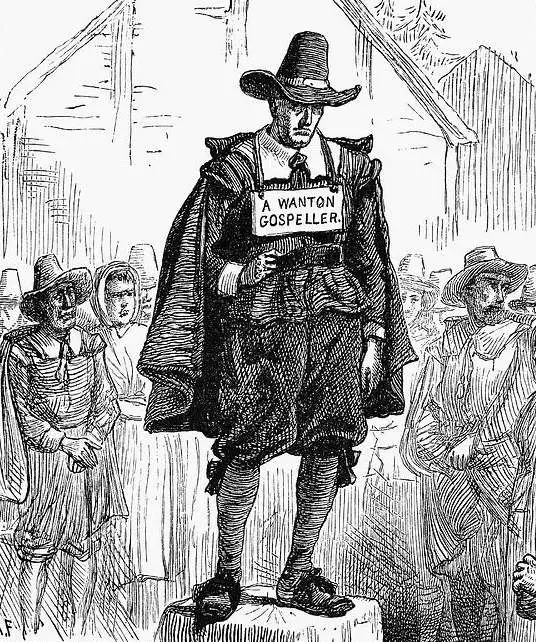
Finally, the Puritans teach us that an organization’s greatest influence often persists long after the specific entity has dissolved. By embedding their values into the foundational institutions of society—law, education, and commerce—they secured a legacy that far outlasted the literal Puritan church. For the contemporary strategist, this is the ultimate goal: to build a brand whose values are so deeply integrated into the customer’s worldview that the brand itself becomes a universal standard, even if the original corporate structure eventually undergoes a transformation. The Puritans didn’t disappear; they simply merged into the fabric of the market.
aViewFromTheCave is a participant in the Amazon Services LLC Associates Program, an affiliate advertising program designed to provide a means for sites to earn advertising fees by advertising and linking to Amazon.com. Amazon, the Amazon logo, AmazonSupply, and the AmazonSupply logo are trademarks of Amazon.com, Inc. or its affiliates. As an Amazon Associate we earn affiliate commissions from qualifying purchases.