
The digital age has fundamentally altered how public intellectuals and legal experts cultivate their influence. For years, viewers of MSNBC became accustomed to seeing Neal Katyal, the former Acting Solicitor General of the United States, providing rapid-fire legal analysis on high-profile cases. However, as media consumption habits shift and television networks pivot their strategies, the perceived “disappearance” or reduction in screen time for prominent commentators often serves as a masterclass in the evolution of personal branding. This article explores the strategic shifts in personal branding for experts, how media gatekeepers manage talent, and what happens when the professional identity of a high-profile figure intersects with changing corporate branding objectives.
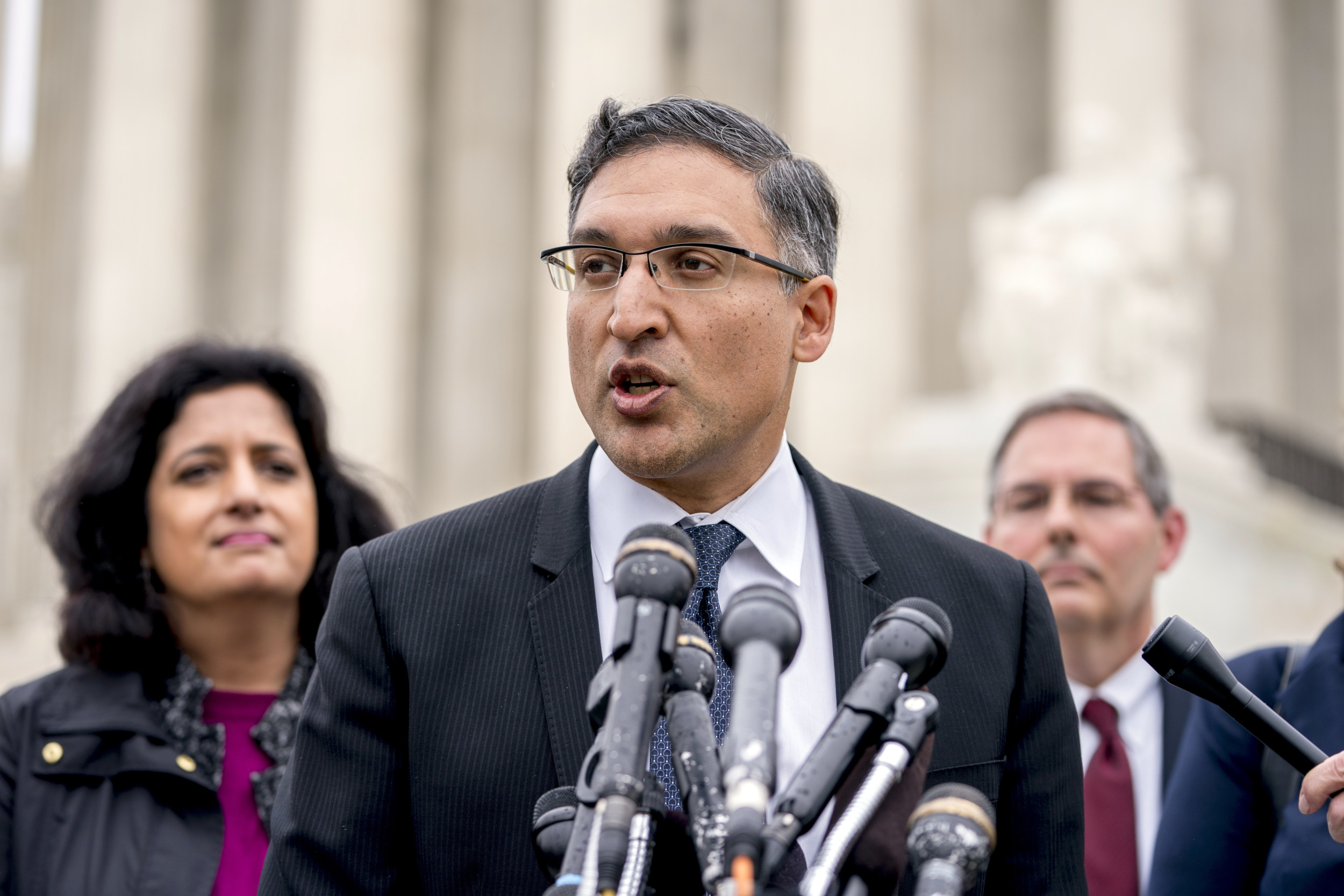
The Architecture of the Pundit Brand
Personal branding for legal experts like Neal Katyal is not merely about being present; it is about establishing a recognizable signature of authority. In the landscape of 24-hour cable news, analysts are branded products. Their value proposition rests on a combination of credentials, communication style, and political alignment with the network’s core demographic.
The Credibility-Accessibility Paradox
To succeed as a legal analyst, one must navigate the “Credibility-Accessibility Paradox.” On one hand, the analyst must maintain the high-minded, objective status of an academic or former government official. On the other, they must condense complex constitutional arguments into 90-second soundbites that resonate with a general audience. Katyal’s brand was built on this exact bridge. By leveraging his background as a Supreme Court litigator, he translated dense legal theory into digestible television content. This requires a specific type of personal brand management—one that balances prestige with the need for high ratings and viral social media moments.
Consistency as a Branding Tool
For years, Katyal’s presence on MSNBC was a constant. In branding terms, this created “top-of-mind awareness.” When viewers heard of a legal development, they automatically associated the “Katyal brand” with the analysis of that event. This consistency built a moat around his personal brand, making him a fixture of the network’s corporate identity. However, when a brand face is a constant fixture, the audience—and the network—can experience fatigue. Understanding the lifecycle of a media brand is essential for anyone looking to build a reputation in the public sphere, as even the most respected voices must evolve or face dilution.
Network Shifts and Corporate Brand Strategy
Television networks like MSNBC are not static entities. They are businesses driven by audience metrics, advertising revenue, and evolving brand identities. When a network decides to refresh its programming, the individuals associated with the network often experience a shift in their engagement status.
The Pivot Toward Narrative Journalism
Media networks frequently adjust their programming mix. A shift from pure legal analysis to more narrative-driven political journalism can inherently reduce the airtime for experts who specialize in static constitutional law. From a brand strategy perspective, this is a “repositioning.” If MSNBC decides to move toward a more pundit-heavy or debate-oriented format, the role of a traditional legal analyst—whose brand is rooted in dispassionate, expert observation—becomes less congruent with the new brand voice.
The Economics of Talent Management
Corporate identity often dictates the lifecycle of a contributor’s contract. Networks manage their “talent portfolio” much like a venture capital firm manages its assets. They diversify, rotate, and prune to ensure that the audience remains engaged. If viewers start to associate a network’s brand too heavily with a specific set of voices, the network risks becoming stale. Consequently, reducing the frequency of a well-known analyst is not necessarily a reflection of their personal brand’s value, but rather a strategic move to freshen the network’s overall product offering. This is a common phenomenon in corporate identity management: the need to keep the “house style” updated to attract new demographics while retaining the core base.

The Evolution of the Public Intellectual’s Digital Presence
What happens when an expert’s primary platform undergoes a shift? In the modern era, successful personal brands do not rely on a single channel. The transition from legacy media (cable news) to a diversified digital footprint is the most significant hurdle for public figures today.
Multi-Channel Authority
The most robust personal brands today operate on a multi-channel model. For legal experts, this means maintaining authority through:
- Podcasting: Allowing for long-form, uninterrupted discussion that cable news cannot support.
- Substack and Newsletters: Providing deep-dive written analysis that creates a more direct, intimate connection with the audience.
- Social Media Commentary: Utilizing platforms like X (formerly Twitter) or LinkedIn to stay relevant in the discourse cycle, independent of network approval.
When a public figure like Katyal experiences a change in television status, their “digital equity”—the reputation they have built outside of the cable news ecosystem—becomes their true safeguard. A strong personal brand is defined by the ability to carry an audience from one medium to another. If an expert relies solely on the prestige of a network brand, their own personal brand remains fragile.
Transitioning from “Guest” to “Thought Leader”
The shift in media consumption has made the role of the “guest analyst” increasingly secondary to that of the “thought leader.” Thought leaders command their own platforms, set their own agendas, and are less reliant on the gatekeepers of major networks. We are witnessing a transition where public intellectuals are reclaiming their brand independence. By moving away from the “talking head” model, experts can leverage their credentials to build platforms that offer higher value and better direct engagement with their target audience, effectively turning a “disappearance” from television into an evolution toward digital sovereignty.
Lessons for Personal Brand Sustainability
The saga of media personalities and their shifting roles offers vital lessons for anyone focusing on personal branding or corporate identity.
Build Your Own Infrastructure
Relying on a large corporation for your primary branding is risky. Whether it is a television network or a social media algorithm, corporate entities have their own agendas that can change overnight. The most effective brand strategy is to build an audience that follows you, not the platform you happen to be using at the time. This means owning an email list, a personal website, or a recurring content series that isn’t tied to a specific network’s editorial calendar.
Adaptability is the New Professionalism
Stagnation is the death of a brand. Just as MSNBC must adapt to changing viewer demographics, individuals must adapt to the changing nature of their industry. The ability to pivot—to move from being a “legal analyst on TV” to a “multimedia legal authority”—is what separates long-term success from fleeting relevance. A professional brand must be elastic. It should be capable of expanding into new formats without losing its core identity.

Defining Your Legacy
Ultimately, a personal brand is the sum total of the value provided to the audience. When one platform changes its relationship with a contributor, the contributor’s brand survives if the audience finds value in the person, not just the segment. The “disappearance” of a figure like Neal Katyal from a network’s screen is not the end of a brand; it is a signal of the changing nature of the media landscape.
As we look at the trajectory of public intellectuals, it is clear that the future belongs to those who view their brand not as a subsidiary of a corporation, but as a standalone entity. By focusing on multi-channel distribution, audience ownership, and persistent value creation, public figures can navigate the volatility of traditional media while securing their place as leaders in their respective fields. The era of the “all-consuming network star” is fading; the era of the “decentralized authority” has arrived. Whether on a major network or a personal digital platform, the principles of branding—clarity, consistency, and value—remain the bedrock of sustained influence.
aViewFromTheCave is a participant in the Amazon Services LLC Associates Program, an affiliate advertising program designed to provide a means for sites to earn advertising fees by advertising and linking to Amazon.com. Amazon, the Amazon logo, AmazonSupply, and the AmazonSupply logo are trademarks of Amazon.com, Inc. or its affiliates. As an Amazon Associate we earn affiliate commissions from qualifying purchases.