
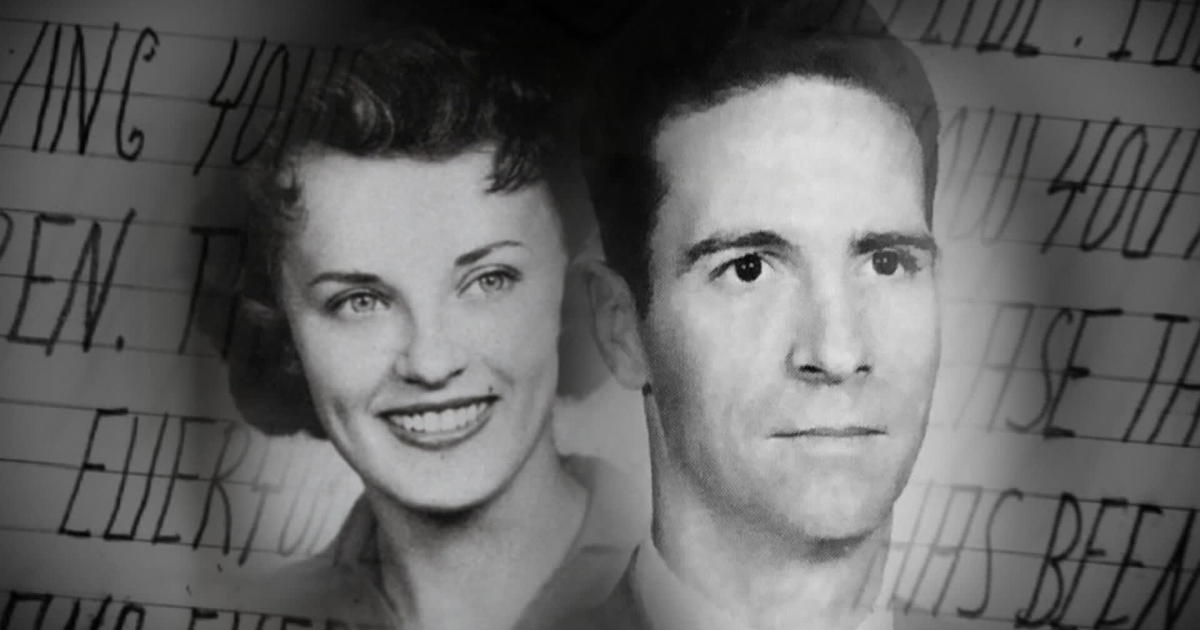
The saga of Mary Gillespie in Circleville, Ohio, serves as a chilling, real-world case study on the disintegration of personal branding and the catastrophic loss of reputation control. While the narrative is often framed through the lens of true crime and local history, from a brand strategy perspective, it represents the ultimate failure of crisis mitigation. When an individual’s identity is hijacked by external forces—in this case, anonymous smear campaigns—the resulting damage to one’s personal brand is often permanent. For professionals and public figures, the Circleville letters case offers a grim masterclass in what happens when the narrative of your life is forcibly rewritten by adversaries.
The Fragility of Personal Branding Under Siege
Personal branding is defined by the narrative one curates and projects to the world. It is the sum total of how your peers, community, and professional network perceive your character, reliability, and values. In the 1970s and 80s, Mary Gillespie’s brand was anchored in her role as a school bus driver and a pillar of the local community. However, the introduction of anonymous, hostile communications targeting her personal life effectively stripped her of the agency required to manage her own reputation.
The Erosion of Narrative Control
When the first letters arrived, the power dynamic of Gillespie’s personal brand shifted from proactive to reactive. In brand strategy, a reactive posture is the most vulnerable position to occupy. By being forced to acknowledge the claims—regardless of their truth—Gillespie became a victim of a “narrative hijack.” This occurs when an external actor inserts a false or scandalous story into the public discourse surrounding an individual. Once that story enters the collective consciousness of a community, the victim is no longer identified by their actions or merits, but by the controversy surrounding them.
Collateral Damage to Professional Standing
The letters did not just target Gillespie’s private life; they weaponized her professional environment. By disseminating accusations within the school district, the perpetrators attacked her utility as an employee. In a corporate or professional setting, this is the equivalent of a smear campaign designed to force a termination. A brand is only as strong as its perception of integrity; once that integrity is questioned, the “brand equity” of the employee plummets. Gillespie’s struggle highlights the difficulty of maintaining a professional identity when the environment surrounding the brand is actively poisoned by bad actors.
Crisis Mitigation in the Analog Era
Modern brand strategy relies heavily on digital forensic analysis and reputation management platforms to silence smear campaigns. In the era of the Circleville letters, these tools did not exist. Gillespie’s experience showcases the limitations of defending a brand without a centralized platform for truth-telling.
The Failure of Silence as a Strategy
Initially, many advisors might suggest that ignoring a smear campaign is the best way to starve it of oxygen. However, the case of Mary Gillespie proves that silence is often interpreted as complicity or guilt by a skeptical audience. In the absence of a proactive narrative, the community filled the void with speculation. When you do not define your own brand story, the public will do it for you, and rarely in your favor. The “no-comment” approach, while legally sound in some instances, is almost always a disaster for reputation management.
The Role of Transparency and Communication
A more effective strategy for an individual in Gillespie’s position would have been radical transparency and community engagement. By addressing the letters head-on through formal channels—rather than allowing them to circulate through informal networks like gossip—the target can occasionally reclaim the narrative. The tragedy of the Circleville case is that the lack of a structured, professional, and unified response allowed the whispers to become an accepted, albeit false, reality. Brand identity thrives on consistency; when the narrative is inconsistent or opaque, the brand becomes a liability rather than an asset.
The Long-Term Impact on Personal Identity

The aftermath of such a sustained attack is not merely a temporary dip in public perception; it is a fundamental shift in the subject’s reality. The “Brand of Mary Gillespie” was forever altered by the persistent, malignant influence of the letter-writer.
Reputation Rehabilitation Challenges
Even when a smear campaign is exposed as fraudulent or baseless, the “stain” often remains. Psychologically, human beings are prone to confirmation bias. Once someone has heard a scandalous rumor, they are biologically wired to remember the accusation more clearly than the subsequent exoneration. This is the “mud sticks” phenomenon. For Gillespie, the damage to her standing was not reversed simply by the cessation of the letters or the arrest of a suspect. The brand had been irreparably altered, forcing her to inhabit a life defined by a controversy she never sought.
The Intersection of Identity and Anonymity
This case also provides a stark warning about the power of anonymous, decentralized attacks. In the digital age, we see this in the form of “doxing” and coordinated social media trolling. The anonymous letter-writer in Circleville was essentially a primitive version of a modern-day bad actor using digital tools to ruin a life. The strategy remains the same: identify the victim’s core vulnerability, amplify the narrative, and force the victim into a defensive position where they look guilty simply by association.
Lessons for Modern Brand Strategy
While the Circleville letters belong to a specific time and place, the underlying principles of the crisis are universal. Anyone managing a brand—whether personal or corporate—can draw three key lessons from this unfortunate saga.
1. Own the Narrative or It Will Own You
Never assume that the truth is self-evident. In the absence of an active brand strategy, the public will manufacture its own story to explain anomalous events. You must be the primary source of information regarding your reputation. If you are being attacked, you must build a firewall of facts around your personal brand before the public draws its own, potentially harmful, conclusions.
2. Guard the Professional Perimeter
Your professional brand is a fortress. When personal issues threaten to bleed into your work life, you must create a clear, documented separation. Gillespie’s struggles were compounded because the letters attacked both her personal life and her professional station. Protecting your workplace reputation requires clear documentation, a supportive HR framework, and a proactive stance that prioritizes your professional value above the petty scandals of the day.
3. Recognize the Danger of the Information Vacuum
The primary reason the Circleville letters were so effective was the information vacuum they created. Because the community did not understand who was writing the letters or why, they invented theories. In brand strategy, whenever there is a lack of information, rumors thrive. A robust crisis response plan involves filling that vacuum with verified, calm, and consistent communication. By controlling the information flow, you limit the ability of outsiders to manipulate your brand identity.

Conclusion: The Persistence of Reputation
Mary Gillespie’s ordeal is a stark reminder that a brand is not just what you say about yourself; it is the total of what the world says about you. When external forces conspire to destroy your reputation, the traditional tools of branding—integrity, consistency, and professional excellence—can feel insufficient. However, they remain the only defense against the chaos of public opinion.
The Circleville case teaches us that while you may not be able to stop an adversary from attacking your brand, you can determine how the narrative evolves. By prioritizing proactive reputation management and refusing to be defined by the toxicity of others, individuals can maintain a level of resilience. Mary Gillespie’s story is a dark piece of history, but for those concerned with the fragility of reputation, it serves as a necessary, cautionary landmark in the study of how quickly a brand can be dismantled—and how crucial it is to fight for the truth when your identity is on the line.
aViewFromTheCave is a participant in the Amazon Services LLC Associates Program, an affiliate advertising program designed to provide a means for sites to earn advertising fees by advertising and linking to Amazon.com. Amazon, the Amazon logo, AmazonSupply, and the AmazonSupply logo are trademarks of Amazon.com, Inc. or its affiliates. As an Amazon Associate we earn affiliate commissions from qualifying purchases.