
The trajectory of Demetrius “Big Meech” Flenory represents one of the most polarizing and studied case studies in modern American entrepreneurship. While often framed through the lens of criminal history, the rise of the Black Mafia Family (BMF) serves as an unintentional, yet powerful, masterclass in the mechanics of hyper-growth, brand identity, and the perils of scaling a business without a sustainable corporate infrastructure. For those in the world of brand strategy and corporate identity, the story of Big Meech is not just about the illicit nature of his enterprise, but about the sheer force of his ability to cultivate, nurture, and project a brand that transcended its origins.
The Architect of an Immersive Brand Identity
In brand strategy, we often speak about “brand equity”—the premium a company generates from a product with a recognizable name compared to a generic equivalent. Big Meech achieved a level of brand equity that luxury conglomerates spend decades trying to manufacture. By leveraging aggressive marketing tactics, a distinct visual language, and an unwavering commitment to the “BMF” moniker, he transformed a regional operation into a cultural monolith.
The Power of Symbolic Branding
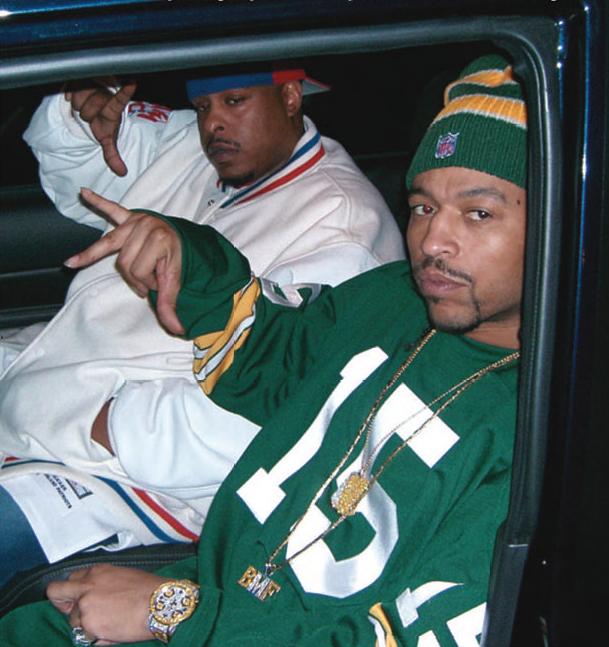
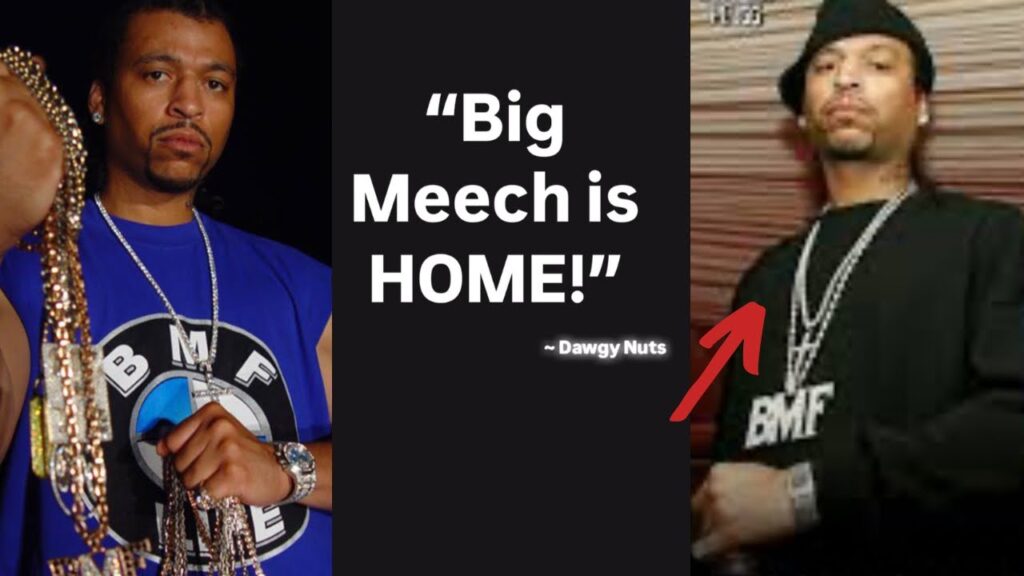
Meech understood that a brand is not merely a logo; it is an identity. By plastering the “BMF” logo on custom jewelry, high-end apparel, and promotional materials, he turned his followers into walking billboards. This is the ultimate goal of personal branding: to create a tribal affiliation where the customer feels that wearing or supporting the brand is an extension of their own identity. He did not just sell a commodity; he sold a lifestyle, an aspiration, and a sense of belonging to an elite, exclusive club.
Controlling the Narrative and Aesthetics
One of the most crucial lessons for any brand strategist is the control of the narrative. Big Meech was a master of public relations long before social media existed. He understood that perception dictates value. Through high-profile events, celebrity associations, and a carefully curated public image, he ensured that BMF was synonymous with success, opulence, and influence. This ability to frame the discourse surrounding his organization allowed him to dominate the cultural conversation, turning his enterprise into a lifestyle brand that demanded constant attention.
Scaling and the Trap of Hyper-Growth
Every business reaches a point where the infrastructure must evolve to support the scale of the brand. This is the “scaling trap.” For Big Meech, the brand grew exponentially faster than the business operations could sustain. In corporate strategy, this is the phase where systems, legal frameworks, and organizational structure must take precedence over pure marketing.
The Limits of Unregulated Expansion
When a brand grows as quickly as BMF did, the lack of a formal corporate structure becomes the primary point of failure. Without HR departments, legal counsel, or standardized operating procedures, the organization relied entirely on the charisma and iron-fisted rule of a single founder. This creates a “single point of failure” risk. If the founder is compromised—or in this case, apprehended—the entire infrastructure collapses. Brands that scale without diversifying their leadership or institutionalizing their protocols are destined for systemic failure.

Marketing vs. Operational Integrity
A disconnect often arises when a brand’s marketing promises a level of stability and permanence that the underlying business model cannot deliver. Big Meech’s marketing machine was high-functioning, but his operational integrity was built on a foundation that ignored risk mitigation. For modern brand strategists, the lesson is clear: your brand identity is only as strong as the systems that support it. If the operational backbone is brittle, the most iconic brand in the world cannot save the entity from implosion.
The Rebranding of a Legacy
Following his imprisonment, the transition of Big Meech’s story into mainstream media—specifically through television productions and public discourse—has sparked a fascinating debate about the longevity of a personal brand. Can a brand pivot once its original utility has been stripped away?
Pivoting the Personal Brand
The current era has seen the BMF brand undergo a significant pivot. It has moved from an operational entity to a piece of intellectual property (IP). This is the transition from a “live” brand to a “legacy” brand. By licensing his story for media production, Big Meech has ensured that the BMF identity remains relevant in the cultural zeitgeist. This highlights a critical strategy for personal brands: the ability to decouple your reputation from your initial business activities and repurpose it as a narrative asset.
Intellectual Property as the New Asset Class
The lesson for modern entrepreneurs is the importance of protecting and monetizing one’s story. Big Meech’s ability to maintain cultural relevance even while incarcerated shows that the most valuable asset any founder possesses is their narrative. In today’s attention economy, the capacity to tell a compelling story—and to own the rights to that story—is far more sustainable than any single business venture. The BMF name is now a protected trademark, illustrating that while the business model may have changed, the brand value has been successfully transitioned into a new medium.
Lessons for the Modern Entrepreneur
Reflecting on “what happened to Big Meech” offers a sobering set of takeaways for anyone building a brand today. The line between success and failure is often defined by the balance between the “external” brand and the “internal” substance.
Authenticity as a Double-Edged Sword
Meech was inherently authentic to his vision. In the modern marketing landscape, authenticity is the highest currency. However, without a framework of legality and sustainable business planning, authenticity is merely a roadmap to self-destruction. The modern entrepreneur must marry the raw, magnetic energy of the founder with the dry, often tedious requirements of corporate compliance and fiscal strategy.
The Sustainability of Influence
The ultimate measure of a brand is its longevity. Big Meech’s influence persists, but it is now filtered through corporate media channels. True business success is found in creating a brand that can survive the absence of its creator. The transition of BMF from a clandestine operation to a mainstream, franchised media property serves as a case study in brand evolution. It demonstrates that while the “what happened” is a story of legal collapse, the “what remains” is a story of brand resilience.
Big Meech’s journey is a reminder that personal branding is a powerful force—it is the engine that drives interest, loyalty, and market penetration. Yet, branding without business sustainability is a precarious endeavor. Those looking to build their own empires must focus on the infrastructure, the legal foundations, and the long-term scalability of their operations. The brand may bring the customers to the door, but the operations are what keep the business standing when the spotlight shifts. The legacy of BMF remains a complex, often misunderstood example of how far a strong personal brand can carry an enterprise, and why, without a solid structural foundation, even the most formidable brands are subject to the volatility of the market.
aViewFromTheCave is a participant in the Amazon Services LLC Associates Program, an affiliate advertising program designed to provide a means for sites to earn advertising fees by advertising and linking to Amazon.com. Amazon, the Amazon logo, AmazonSupply, and the AmazonSupply logo are trademarks of Amazon.com, Inc. or its affiliates. As an Amazon Associate we earn affiliate commissions from qualifying purchases.