
In the hyper-competitive ecosystem of the National Football League, the concept of a “franchise quarterback” is one of the most volatile assets in professional sports. For over a decade, Andy Dalton has served as a fascinating case study in personal branding, adaptability, and the strategic navigation of a career that spans from a celebrated franchise centerpiece to a seasoned veteran and mentor. By analyzing his professional trajectory, we uncover vital lessons in market positioning, brand perception, and the necessity of retooling one’s value proposition in a saturated market.

The Foundation of a Franchise Brand
Early in his career, Andy Dalton’s personal brand was synonymous with consistency and efficiency. Drafted by the Cincinnati Bengals in 2011, Dalton quickly established himself as a “safe harbor” for an organization looking to rebuild. His early years were marked by a specific type of brand identity: the reliable, high-IQ game manager who could elevate a roster without requiring the massive, ego-driven spotlight that often accompanies superstar quarterbacks.
Establishing Institutional Trust
From a branding perspective, Dalton’s tenure in Cincinnati functioned as a long-term corporate identity project. By leading the team to five consecutive playoff appearances, he became the face of the franchise. In the world of professional branding, this is known as “anchor positioning.” He provided the stability that allowed the organization to invest in other areas of the roster. For any professional, this phase represents the “proven performer” stage—where the value proposition is built on reliability, institutional knowledge, and a predictable return on investment.
The Challenge of Perceived Ceiling
Every personal brand faces a turning point where perceived value hits a plateau. For Dalton, the challenge became the “playoff barrier.” While his stats were consistent, the inability to advance deep into the postseason began to erode the market’s perception of his elite status. This is a common hurdle in professional branding: when the baseline performance is high, stakeholders begin to judge the individual not on their successes, but on the perceived “gap” to perfection. This shift in perception is precisely why many professionals find themselves needing to rebrand or pivot as their tenure matures.
The Pivot: Embracing the Veteran Specialist Role
When the narrative surrounding Dalton shifted, he demonstrated a sophisticated understanding of professional repositioning. Rather than fighting to maintain an outdated persona—that of the young, undisputed franchise savior—he pivoted to the role of the high-value veteran specialist. This transition is a masterclass in professional agility: recognizing when the market demands a different service and adjusting one’s offering accordingly.
Diversifying the Value Proposition
As Dalton moved through teams like the Dallas Cowboys, the Chicago Bears, the New Orleans Saints, and the Carolina Panthers, his brand evolved from “franchise QB” to “the ultimate professional insurance policy.” In the corporate world, this is akin to transitioning from an executive director to a high-level consultant. He became a player who could step into a crisis, stabilize a locker room, and provide competent execution while a team developed younger assets.
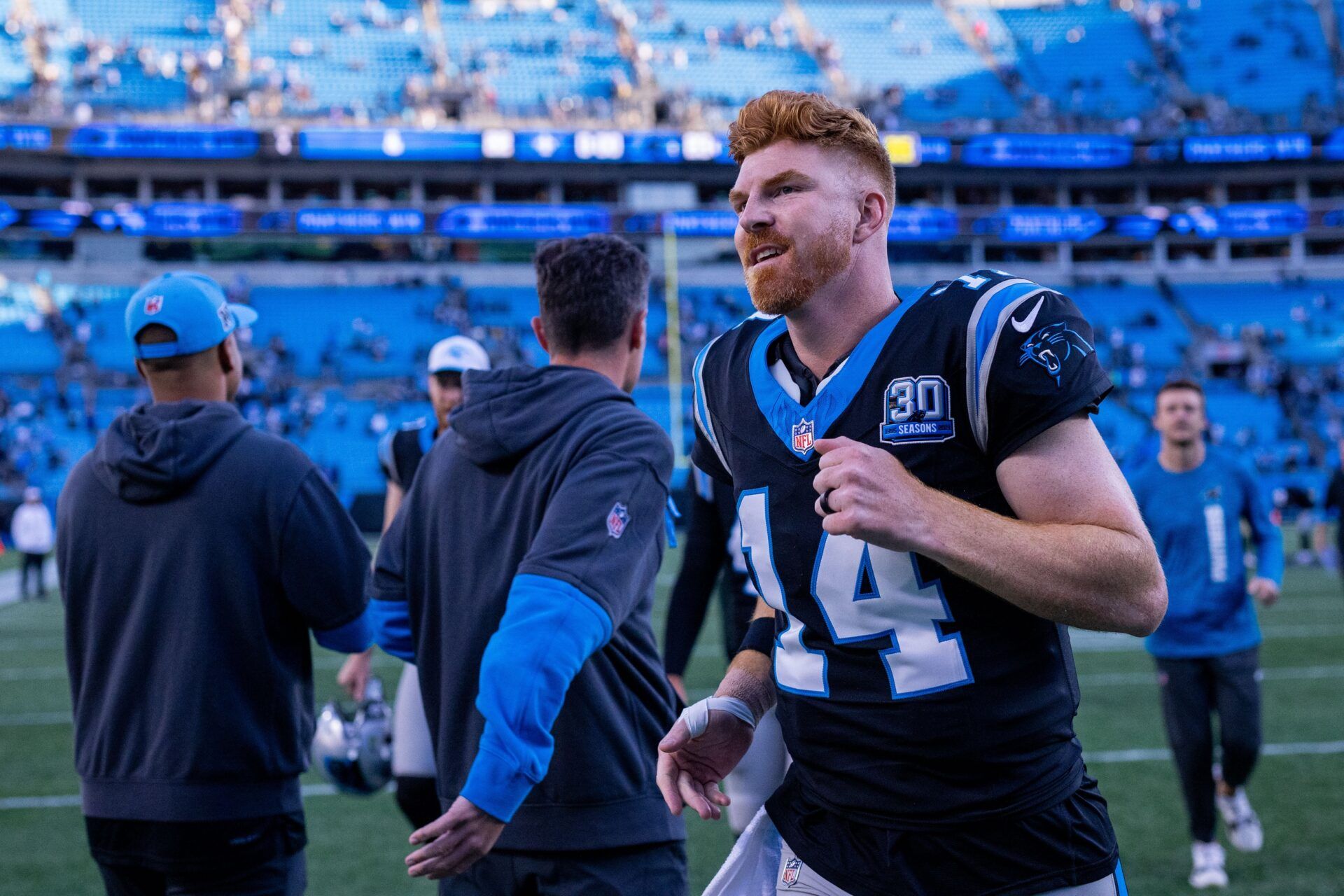
By accepting this role, Dalton effectively protected his marketability. He acknowledged that the market for a “savior” had shrunk, but the market for a “bridge veteran” had expanded. By leaning into this niche, he extended his career far beyond the average duration of an NFL quarterback. This is a crucial lesson in personal finance and career longevity: the ability to identify where your skills are most scarce and most needed, rather than chasing a declining market share in a saturated sector.
Lessons in Adaptability and Ego Management
The most successful personal brands are those that can strip away the ego of the “former star” to embrace the utility of the “current contributor.” Dalton’s willingness to mentor younger quarterbacks while simultaneously competing for playing time is a rare trait. It creates a brand narrative centered on team-first values and leadership. For any professional in a declining or shifting industry, the strategy here is clear: leverage your experience as a mentorship asset to remain indispensable to the organization’s long-term health.
The Economics of Longevity: Financial and Strategic Implications
The trajectory of Andy Dalton’s career offers a compelling look at the financial mechanics of long-term professional sustainability. His career earnings are a testament to the fact that while “peak” performance generates high upfront revenue, “sustained” performance generates wealth over time.
Capitalizing on Professional Reputation
Dalton’s career demonstrates the economic benefit of maintaining a clean professional reputation. By avoiding scandals and maintaining a consistent, professional demeanor with the media and teammates, he has preserved his “brand equity.” In the financial world, reputation is a tangible asset. When teams are looking for a veteran to guide a rookie through the pressures of an NFL season, they aren’t just paying for arm talent; they are paying for a risk-mitigation strategy. Dalton’s ability to remain a “safe pair of hands” has allowed him to command lucrative contracts well into the latter half of his career.
The “Bridge” Strategy in Professional Development
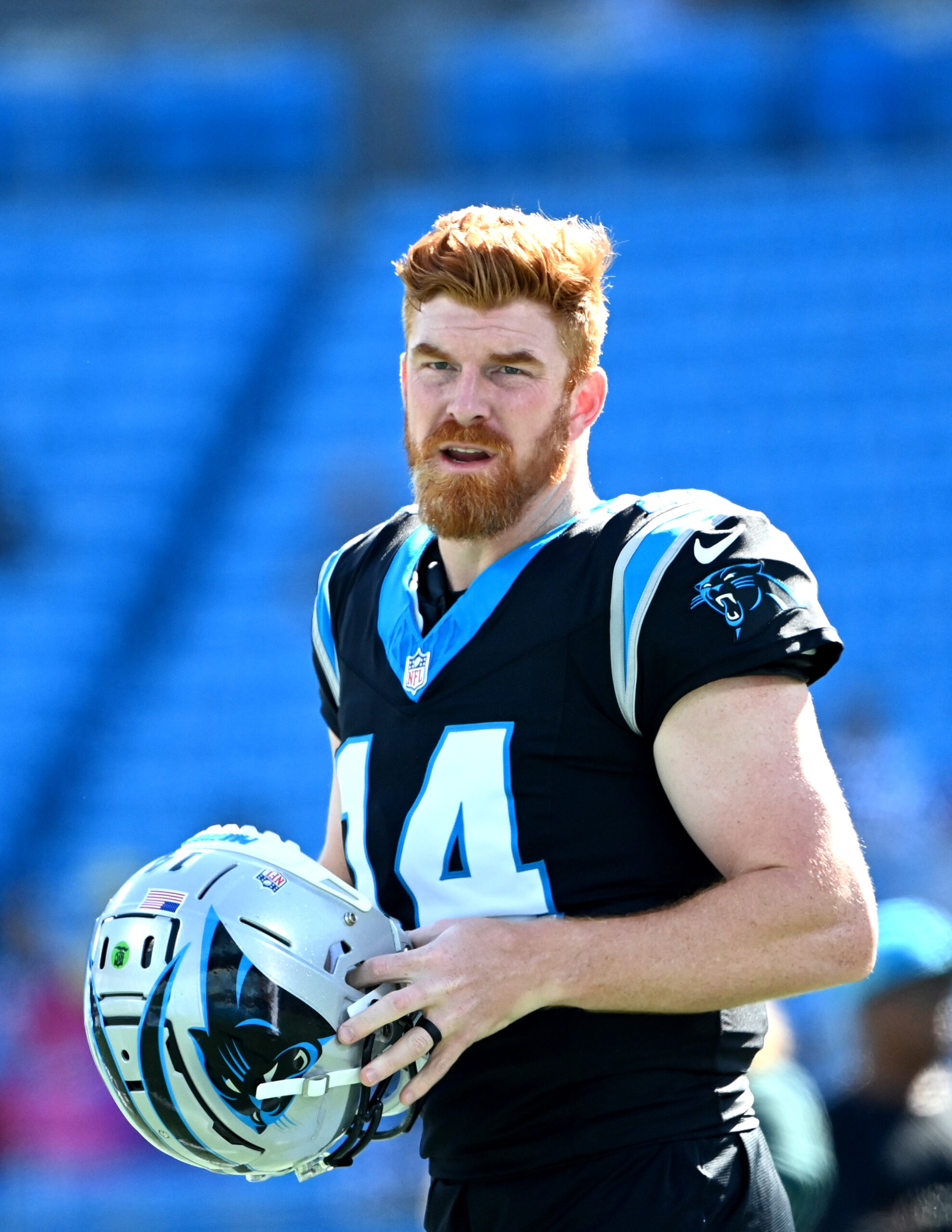
In business and personal finance, we often talk about “bridge” investments—assets that hold value while you transition from one phase of growth to the next. Dalton has essentially become the league’s most consistent “bridge asset.” Whether it is mentoring Bryce Young in Carolina or filling in for injured starters, his value is now defined by his ability to bridge the gap between failure and future development.
This is a strategic positioning that every professional should consider. If you find your primary role or career path reaching a maturity phase, how can you pivot to become the “bridge” that allows organizations to move to the next level? By positioning yourself as the bridge, you remain a necessary, high-value component of the organization’s infrastructure, ensuring your financial and professional relevance for years longer than if you had remained stagnant.
Conclusion: The Endurance of Professional Relevance
What happened to Andy Dalton is not a story of decline, but rather a story of deliberate professional evolution. He navigated the transition from a celebrated face-of-the-franchise to a respected, high-utility veteran with a level of grace and strategic awareness that is rare in high-pressure industries.
The takeaway for professionals across all sectors is clear: your value is not static. The market, the competition, and the requirements of your industry are constantly shifting. The ability to evaluate your own brand objectively, strip away the ego of past successes, and lean into the needs of the current market is the ultimate competitive advantage. Dalton’s career serves as a roadmap for longevity. By focusing on consistency, maintaining an unassailable professional reputation, and effectively rebranding as an indispensable asset during times of transition, he has ensured that his influence in the league remains significant, even as the specific nature of his contributions continues to evolve. In the end, the question shouldn’t be “what happened” to someone in a successful career, but rather “how did they adapt” to remain a force long after the initial hype cycle has concluded.
aViewFromTheCave is a participant in the Amazon Services LLC Associates Program, an affiliate advertising program designed to provide a means for sites to earn advertising fees by advertising and linking to Amazon.com. Amazon, the Amazon logo, AmazonSupply, and the AmazonSupply logo are trademarks of Amazon.com, Inc. or its affiliates. As an Amazon Associate we earn affiliate commissions from qualifying purchases.