
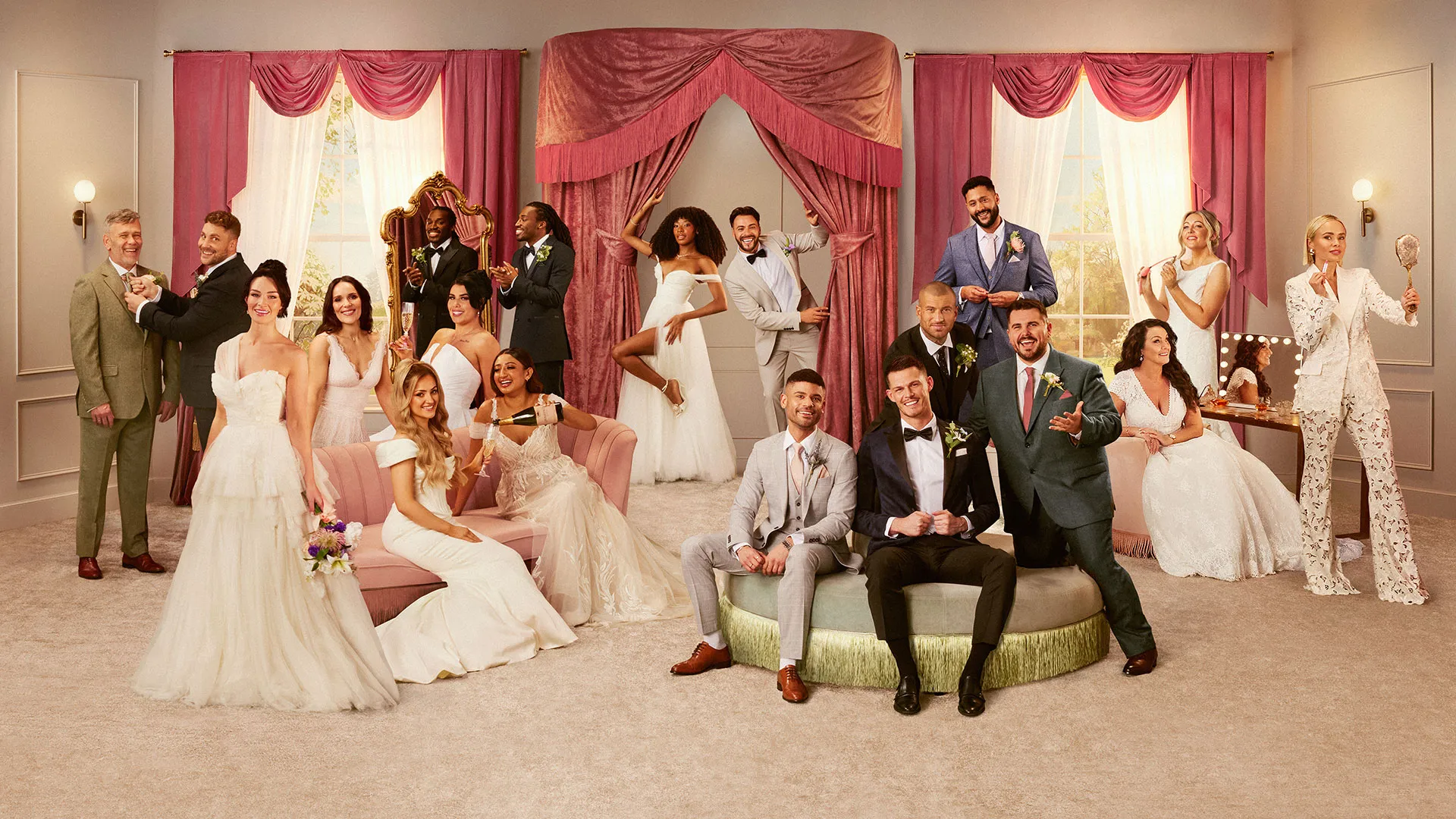
The enduring popularity of Married at First Sight offers more than just voyeuristic entertainment; it serves as a sophisticated case study in personal branding, emotional marketing, and the strategic cultivation of digital identity. When viewers tune in to see what happens on the show, they are witnessing the intersection of human psychology and the carefully curated world of public perception. For those interested in how individuals and brands manage their narratives, the Married at First Sight phenomenon provides a compelling look at how identities are constructed, maintained, and sometimes dismantled in the public eye.
The Architecture of a Public Persona
In the modern media landscape, your brand is no longer just what you say about yourself; it is what the audience perceives through the lens of your actions. On Married at First Sight, participants enter a high-pressure environment where every interaction is recorded and broadcast. This creates an accelerated branding cycle.
Authentic Connection vs. Strategic Performance
The tension in the show often stems from the participants’ struggle between authentic vulnerability and the instinct to protect their personal brand. In professional marketing, this is the classic “authenticity trap.” When a brand—or a person—attempts to appear too perfect, the audience senses an artificial barrier. Conversely, those who lean into their flaws often develop a stronger, more resonant connection with their audience.
The participants who navigate the show most successfully are those who understand the power of narrative consistency. By aligning their actions on screen with a clear set of values, they build a brand identity that persists long after the cameras stop rolling. This is the hallmark of effective personal branding: the ability to remain recognizable and relatable even when the circumstances are extreme.
The Role of Editing in Narrative Management
A critical lesson for any brand strategist is the understanding that you do not own 100% of your narrative. In television, production editors act as the ultimate brand managers, selecting which clips define a character’s season. This serves as a cautionary tale for corporations and influencers alike: how you communicate matters, but how that communication is synthesized by your audience matters more. Managing your brand requires anticipating how your message might be interpreted out of context and mitigating potential negative perceptions through transparency and steady leadership.
Crisis Management and Damage Control
When things go wrong on Married at First Sight—whether through a public argument, a breach of trust, or a misunderstood comment—the participants are thrust into a real-time crisis management situation. The way they handle these moments is instructive for anyone managing a professional brand identity.
Owning the Narrative After a Misstep
The most successful participants do not hide from controversy. Instead, they utilize the principles of active crisis management: transparency, accountability, and corrective action. When a participant makes a mistake, the brands that endure are the ones that address the issue head-on rather than letting speculation fester in the court of public opinion.
This mirrors the corporate world, where a company’s response to a PR disaster is often more important than the disaster itself. By demonstrating personal growth, humility, and a willingness to listen to feedback, participants can transform a potential brand catastrophe into a moment of humanization.

The Long-Term Impact of Online Sentiment
Social media has become the town square where the “verdict” of a show is delivered. The rapid-fire feedback loop of Twitter, Reddit, and Instagram comment sections acts as a real-time sentiment analysis tool. For a personal brand, this is both a blessing and a curse. Those who can navigate these platforms with poise—engaging with critics without losing their composure—solidify their status as mature, reliable figures. Those who lash out or descend into defensive combat often find their personal brand tarnished by the digital footprint they leave behind.
The Monetization of Marital Conflict
One cannot ignore the business side of the Married at First Sight ecosystem. The participants are not just contestants; they are nascent entrepreneurs navigating the transition from private citizens to public figures.
Leveraging Reality TV for Personal Growth
Many participants utilize their time on the show as a springboard for professional reinvention. Whether they are moving into influencer marketing, launching podcasts, or leveraging their newfound audience to promote a small business, the show serves as a massive, high-impact marketing campaign.
The key to successfully transitioning from reality television to a sustainable career lies in the “bridge” strategy. The most successful alumni of these shows identify their core demographic—the audience that connected with their journey—and provide value to that group outside the confines of the show. They transition from “participants” to “content creators,” moving the conversation away from their marriage and toward their expertise, style, or personal philosophy.
Strategic Brand Partnerships
Once a participant has built a stable following, they often move into the world of brand partnerships. This is where personal branding meets commercial strategy. The most credible influencers are those who select brand partnerships that align with the values they showcased on the show. If a participant spent the season emphasizing the importance of family, health, or emotional intelligence, their later endorsements must feel like a natural extension of those traits.
The mistake many make is chasing quick monetization through irrelevant partnerships, which causes a disconnect between the brand they built and the products they pitch. A sustainable personal brand requires the same rigor in choosing business partners as it does in choosing a life partner.
Legacy and the Future of the Personal Narrative
As the seasons of Married at First Sight continue to unfold, the participants who have lasting power are those who understand that they are the CEOs of their own lives.
Sustaining Relevance Beyond the Finale
The reality of any short-term media opportunity is that the initial spike in attention will eventually fade. Sustainability is achieved through the transition from “subject” to “authority.” By sharing the lessons they learned from their experience, former participants can carve out a long-term niche. They move from the drama of the show to the wisdom gained from it, effectively positioning themselves as commentators, coaches, or experts in the very fields the show highlights: relationship dynamics, communication, and self-discovery.

The Evolution of the “Human Brand”
Ultimately, Married at First Sight serves as a high-stakes mirror for the rest of us. In an era where everyone has a digital footprint and a personal brand, we are all, in a sense, on a form of reality television. We are all being edited by our peers, judged by our online interactions, and forced to navigate the complexities of identity in the public sphere.
By studying the successes and failures of the participants on the show, we learn that the most effective brand strategy is rooted in intentionality. It is about knowing who you are, understanding how you are perceived, and maintaining the discipline to ensure that your actions align with your goals. The drama of the show is fleeting, but the reputation you build through your choices is lasting. Those who treat their time in the spotlight as an opportunity to build a coherent, authentic, and resilient identity are the ones who ultimately win, regardless of whether their marriage lasts. In the final analysis, the show is not just about what happened to the participants; it is about how they emerged from the experience, redefined, and ready to navigate their next chapter in the public eye.
aViewFromTheCave is a participant in the Amazon Services LLC Associates Program, an affiliate advertising program designed to provide a means for sites to earn advertising fees by advertising and linking to Amazon.com. Amazon, the Amazon logo, AmazonSupply, and the AmazonSupply logo are trademarks of Amazon.com, Inc. or its affiliates. As an Amazon Associate we earn affiliate commissions from qualifying purchases.