
For decades, the analysis of biological fluids was a manual, time-consuming process confined to sterile laboratories and dependent on human observation. However, as we move further into the era of the Internet of Medical Things (IoMT), the question of what determines the composition of urine is no longer just a biological inquiry—it is a technological one. In the modern tech landscape, the “determination” of urine composition refers to the high-tech sensors, artificial intelligence algorithms, and optical hardware used to identify chemical markers in real-time.
From smart toilets to AI-powered smartphone apps, technology is revolutionizing how we quantify metabolic health. By shifting the focus from the clinic to the digital interface, we are witnessing a paradigm shift where software and hardware determine the accuracy, speed, and utility of health data.
The Hardware Frontier: Advanced Sensors and Optical Recognition
The primary technological factor that determines how we analyze urine composition today is the evolution of sensor hardware. We have moved far beyond the simple color-changing reagent strip. Today’s diagnostic tech utilizes sophisticated optical and electrochemical sensors to provide a high-resolution map of what is exiting the body.
Spectrophotometry and Optical Sensing
In a tech-driven diagnostic environment, light is the primary tool for determination. Modern digital urinalysis devices use spectrophotometry—the measurement of how much light a chemical substance absorbs. By passing specific wavelengths of light through a sample, high-precision sensors can determine the concentration of solutes like glucose, ketones, and nitrites. This hardware removes the human error associated with visual “color matching” and replaces it with quantifiable data points that can be fed directly into a digital health record.
Microfluidics and Lab-on-a-Chip
One of the most significant breakthroughs in tech-based analysis is the “Lab-on-a-Chip” (LoC). These are integrated circuits that can perform multiple laboratory functions on a single chip only millimeters in size. By using microfluidic channels, these chips can isolate specific molecules within urine. The technology determines the presence of micro-albumin or creatinine by guiding the fluid through microscopic gates, where electrochemical reactions trigger digital signals. This miniaturization is what allows for the integration of health monitoring into everyday gadgets.
Automated Sediment Analysis
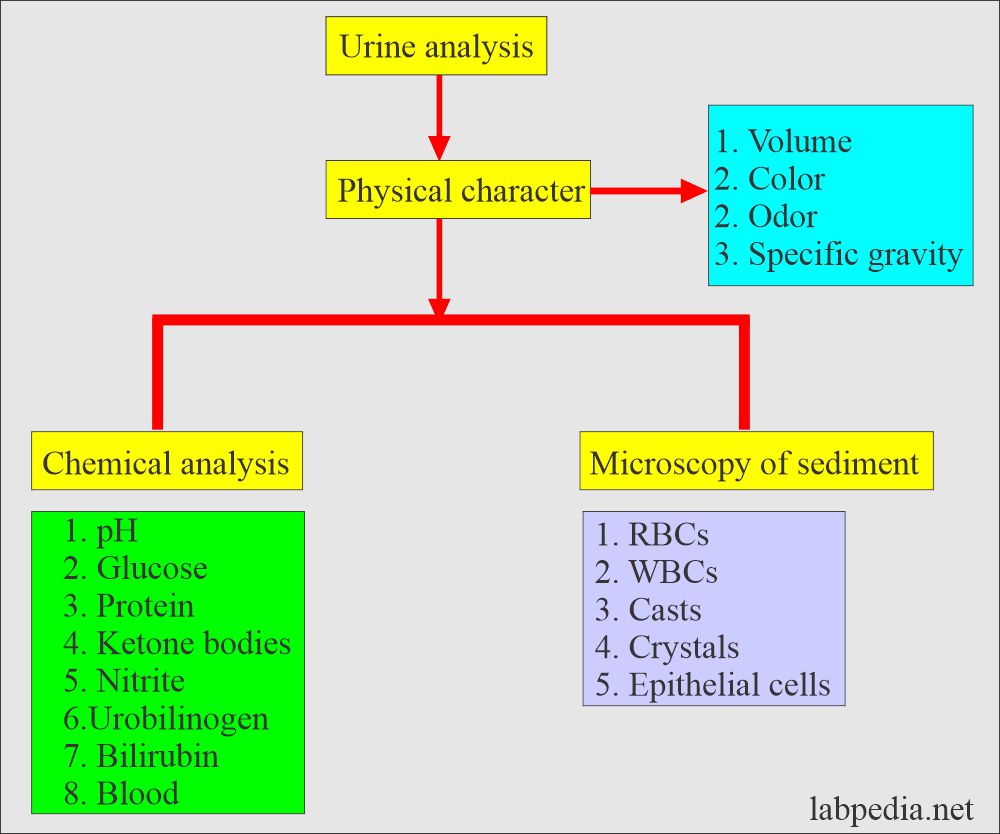
In professional tech-heavy labs, hardware determines composition through automated microscopy and digital imaging. Instead of a technician looking through a lens, high-speed cameras capture images of the sediment—crystals, bacteria, and cells—and use edge-detection software to categorize them. This marriage of high-speed photography and digital processing ensures that the determination of urine composition is both granular and scalable.
Artificial Intelligence and the Algorithmic Interpretation of Health
If sensors are the eyes of the operation, Artificial Intelligence (AI) is the brain. The composition of urine is highly volatile, influenced by diet, hydration, and exercise. AI and Machine Learning (ML) are now the determining factors in how we differentiate between a temporary spike in a chemical marker and a chronic health trend.
Machine Learning for Pattern Recognition
AI algorithms are trained on massive datasets of biochemical profiles. When a digital sensor sends data to the cloud, the software determines the significance of that data by comparing it against millions of other samples. For instance, an AI might detect a specific pattern of protein and pH levels that suggests the onset of a kidney issue before a human doctor would even notice a deviation from the norm. The software’s ability to recognize “noise” versus “signal” is the modern standard for determining urine health.
Predictive Analytics in Metabolic Monitoring
Tech startups are now focusing on predictive modeling. By analyzing how urine composition changes over a 24-hour cycle, AI can determine a user’s metabolic rate or “biological clock.” This is particularly useful in the fitness-tech sector, where algorithms provide real-time feedback on hydration levels and electrolyte balance. The software takes raw chemical data and translates it into actionable “readiness scores” for athletes, effectively turning biological output into a digital performance metric.
Computer Vision and Smartphone Integration
One of the most accessible tech applications involves using a smartphone’s camera as a diagnostic tool. Through sophisticated computer vision, apps can now “read” traditional dipsticks under varying lighting conditions. The software uses color-correction algorithms to account for shadows or yellow-toned bathroom lights, ensuring that the determination of the urine’s chemical makeup remains accurate regardless of the environment. This democratization of tech allows anyone with a smartphone to access laboratory-grade analysis.

The Rise of the Smart Home: Passive Health Monitoring and the IoMT
The future of determining urine composition lies in the integration of technology into our physical environment. The “Smart Toilet” is no longer a concept of science fiction; it is a burgeoning sector within the Internet of Things (IoT) that promises to turn every bathroom visit into a comprehensive data upload.
Passive Data Collection via Smart Toilets
The challenge with traditional health monitoring is user compliance. People forget to take tests. Technology solves this through “passive monitoring.” Companies like Withings and various tech startups are developing modules that sit inside the toilet bowl. These devices use thermal sensors to detect the start of urine flow and then employ optical sensors to analyze the composition instantly. The result is a seamless flow of data from the body to the app, where the technology determines the user’s health status without the user having to lift a finger.
Real-Time Bio-Feedback Loops
When urine composition is determined by always-on technology, it creates a bio-feedback loop. For example, if the sensors detect a high concentration of calcium or oxalates (indicators of potential kidney stones), the smart home system can trigger an alert on the user’s smartwatch, suggesting increased water intake or a dietary adjustment. This level of interconnectivity between biological sensors and consumer gadgets represents the pinnacle of digital health integration.
The Ecosystem of Wearable Integration
While urine analysis is inherently a “fluid-based” tech, it doesn’t exist in a vacuum. Modern health platforms integrate urine composition data with heart rate, sleep patterns, and blood oxygen levels from wearables like the Apple Watch or Oura Ring. By cross-referencing urine markers with physical activity data, the software can determine whether a specific chemical composition is a result of dehydration from a workout or a deeper systemic issue. This holistic digital view is only possible through the convergence of multiple tech verticals.
Digital Security and the Ethics of Biological Data
As technology becomes the primary medium for determining and storing the composition of urine, we face new challenges regarding digital security. Biological data is the most intimate form of information, and protecting it requires a robust technological framework.
Encrypting Biometric Fluid Data
Because urine composition can reveal everything from pregnancy to drug use and chronic illness, the “determination” of this data must be protected by end-to-end encryption. Modern health-tech platforms utilize blockchain technology or decentralized ledgers to ensure that the biometric data generated by a smart toilet or a smartphone app cannot be accessed by third parties without explicit consent. The tech determines not just what is in the urine, but who gets to see that information.
The Role of Edge Computing in Privacy
To mitigate the risks of cloud-based data leaks, many developers are moving toward “Edge Computing.” In this model, the determination of urine composition happens locally on the device—within the smart toilet or the phone itself—rather than on a remote server. By processing the raw chemical data at the “edge,” technology ensures that the most sensitive details of a user’s biology never leave their home, sending only the final, encrypted health “score” to the app.
Regulatory Tech and Compliance (SaMD)
Software as a Medical Device (SaMD) is a regulatory category that governs how algorithms analyze health data. As tech becomes the arbiter of urine composition, companies must ensure their software meets stringent standards (like FDA or CE marking). The tech industry is currently developing “explainable AI” (XAI) to help regulators understand exactly how an algorithm determined a specific health outcome from a urine sample, ensuring transparency in digital diagnostics.

Conclusion: The Convergence of Biology and Bits
In the modern era, “what determines the composition of urine” is as much a question of software engineering as it is of human biology. We have entered a stage where the hardware in our homes, the algorithms on our phones, and the security protocols in our clouds work in unison to decode the chemical messages our bodies send.
As sensor technology becomes more sensitive and AI becomes more intuitive, the digital determination of urine composition will become a standard part of our technological lives. We are moving toward a future where health is not something checked once a year at a doctor’s office, but something monitored continuously by an invisible, digital infrastructure. In this new landscape, technology doesn’t just analyze our biology—it empowers us to understand and optimize it with unprecedented precision.
aViewFromTheCave is a participant in the Amazon Services LLC Associates Program, an affiliate advertising program designed to provide a means for sites to earn advertising fees by advertising and linking to Amazon.com. Amazon, the Amazon logo, AmazonSupply, and the AmazonSupply logo are trademarks of Amazon.com, Inc. or its affiliates. As an Amazon Associate we earn affiliate commissions from qualifying purchases.