
In the competitive landscape of the artisanal food industry, the “White Pizza” phenomenon serves as a masterclass in brand differentiation. While the traditional red-sauce Margherita remains a staple of the industry, the white pizza—a canvas free of tomato acidity—represents a strategic pivot toward premiumization and sophisticated consumer targeting. From a brand strategy perspective, the “white” designation is not merely a recipe adjustment; it is a shift in market positioning that forces a brand to rely on the quality of its components, the narrative of its sourcing, and the intentionality of its design.
The Strategy of Minimalist Branding
When a brand pivots away from the ubiquitous red sauce, it enters a territory defined by minimalism. Much like a high-end fashion house stripping away ornate logos to focus on the silhouette of a garment, a white pizza demands that the quality of the dough and the richness of the base fat speak for themselves.
Establishing the Base Identity
The “White” in white pizza is a misnomer that serves as a powerful marketing hook. It is rarely just white; it is a blend of textures and lipids. A successful brand strategy involves defining exactly what constitutes this base. Is it a high-hydration sourdough brushed with a garlic-infused extra virgin olive oil? Or is it a rich, decadent béchamel sauce that positions the pizza as a comfort-food indulgence?
By choosing the base, the brand dictates the consumer’s perception. Olive oil-based pizzas cater to the “health-conscious, artisanal” segment, emphasizing fresh, local ingredients. Cream-based white pizzas, conversely, target the “culinary experience” segment, promising a texture and richness that justifies a higher price point. This decision is a direct reflection of a company’s market segment strategy—are you selling a light lunch or a luxurious dinner?
The Power of “Blank Slate” Marketing
White pizza functions as a white-label product for the chef. Because the base is neutral, it allows for high-margin, seasonal toppings that would clash with the acidity of traditional tomatoes. A brand can launch limited-time offers (LTOs) using white pizza as a delivery vehicle for truffles, seasonal greens, or expensive cured meats. This flexibility ensures that the brand remains dynamic, keeping the menu fresh without requiring a complete overhaul of the supply chain.
Curating the Topping Ecosystem
In marketing, the “halo effect” suggests that the perception of one positive trait influences the overall view of a brand. On a white pizza, every ingredient is magnified. Unlike red-sauce pizzas, where the robust acidity can mask sub-par cheese or stale herbs, the white pizza offers no such sanctuary.
The Hierarchy of Ingredients
A well-executed white pizza follows a logical hierarchy of flavor profiles. To maintain a premium brand identity, the toppings must follow the “less is more” rule.
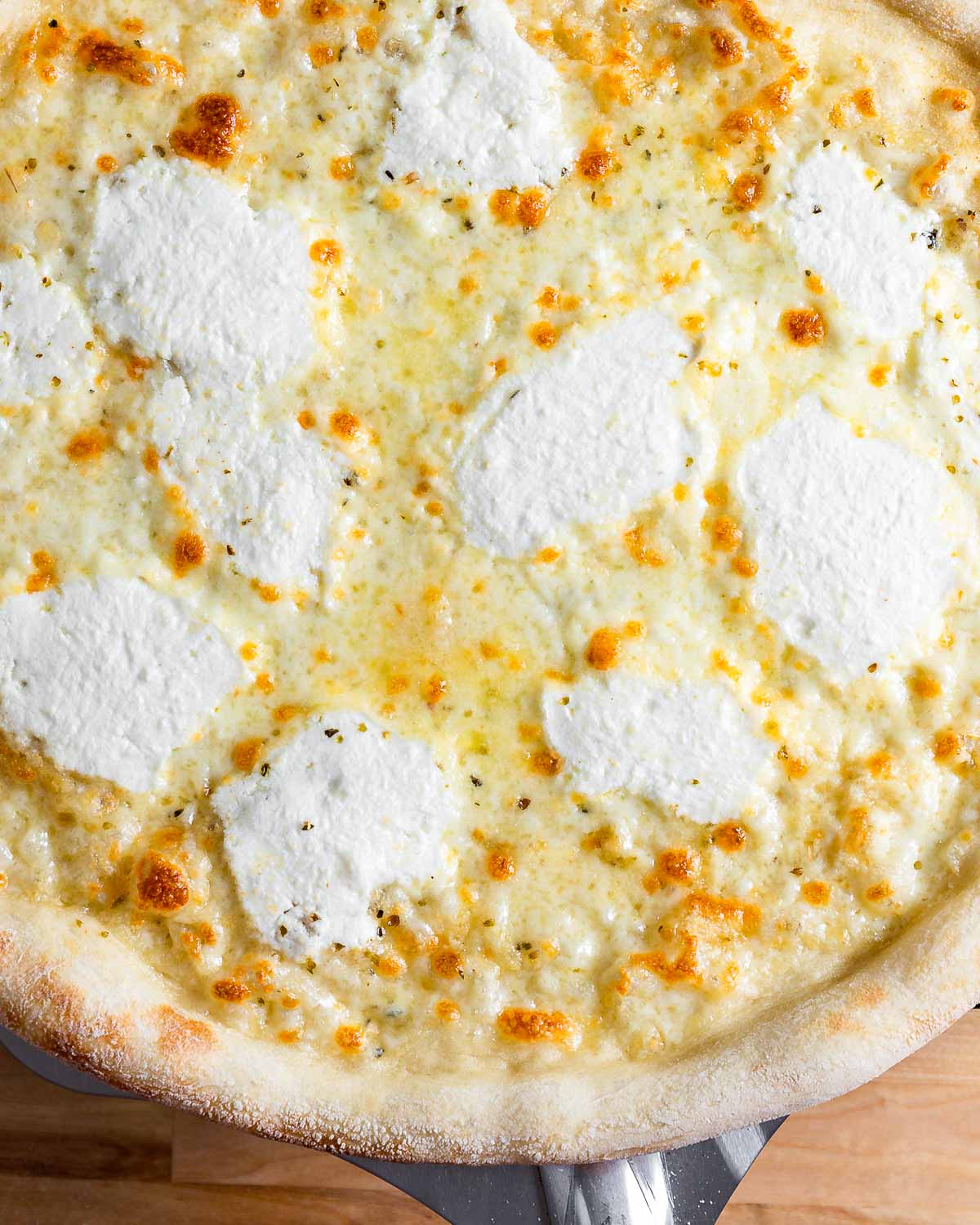
- The Foundation (Fats): High-quality buffalo mozzarella, ricotta, or fontina are non-negotiable. Using mass-produced, rubbery cheese immediately degrades the brand value.
- The Contrast (Texture): Crispy elements like fried sage, pine nuts, or paper-thin prosciutto provide the sensory experience that justifies the premium price tag.
- The Accent (Brightness): Since we have lost the acidity of the tomato, it must be reintroduced through lemons, aged balsamic reductions, or pickled elements. This is the “brand voice” of the chef—the specific, proprietary finish that makes the pizza recognizable as yours and not a competitor’s.
Visual Architecture and Design
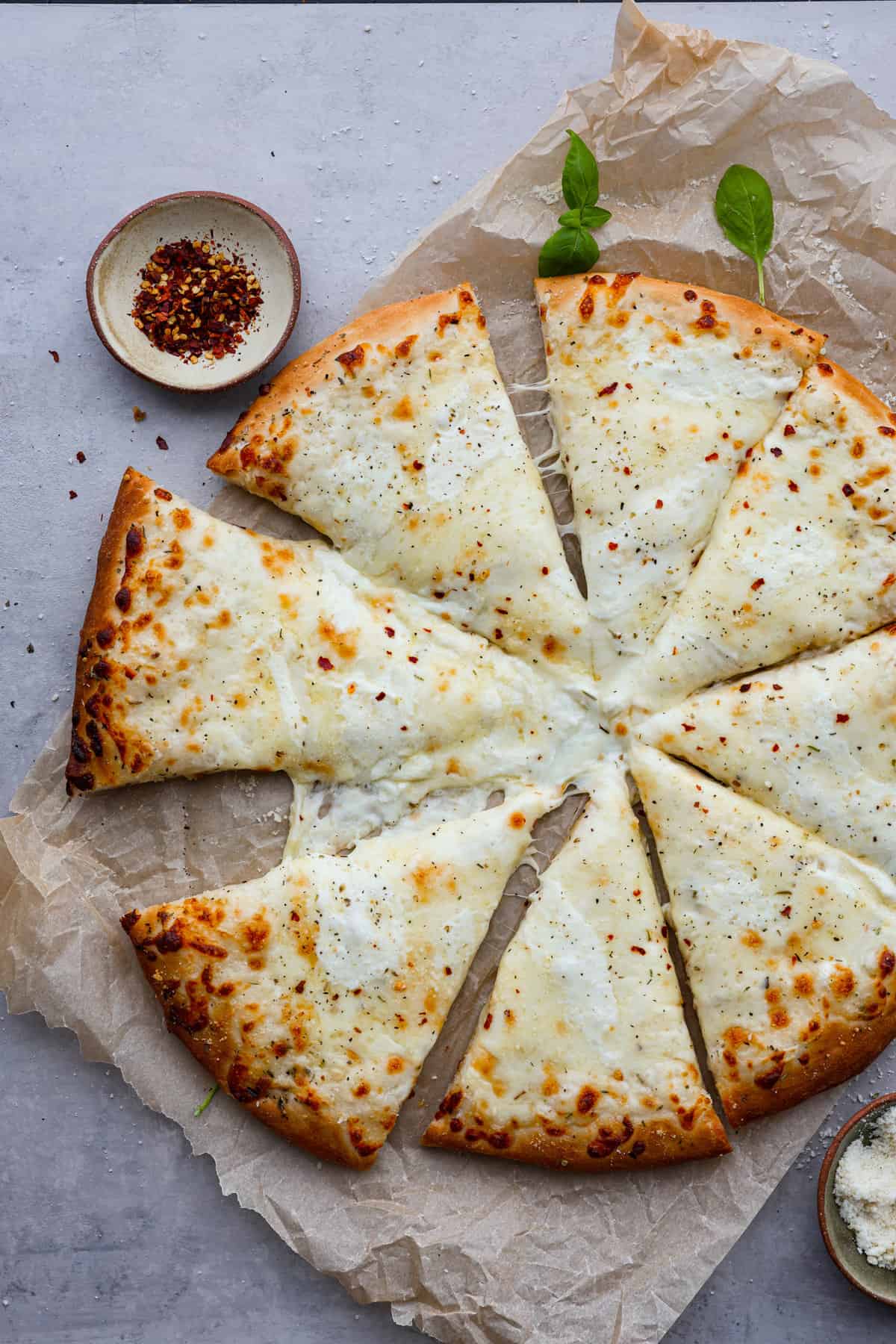
In the age of social media, the visual presentation of food is the most powerful marketing asset. White pizzas offer a stark, high-contrast aesthetic that is incredibly photogenic. The golden brown of a perfectly blistered crust against the creamy white of the cheese and the vibrant greens of herbs creates a visual identity that is easy to identify on Instagram or TikTok. Brand strategists should treat these pizzas as “Hero Products,” using them as the focal point of digital content campaigns to drive social proof and organic reach.
Operational Excellence as Brand Equity
Brand strategy is not merely about how a product looks; it is about how it performs under the pressures of a busy kitchen. A brand that promises a premium experience but fails to deliver consistency is a brand in decline.
Scaling the Artisanal Experience
The challenge with white pizza is the delicate balance of heat. Because white pizzas often lack the protective layer of moisture provided by tomato sauce, they are more susceptible to burning. This represents an operational risk. If a brand markets a “perfectly charred” white pizza, the culinary team must be trained to manage high-heat ovens with precision.
Operational consistency becomes a part of the brand promise. When a customer pays a premium for a specialty item like a truffle-honey white pizza, they are paying for a standardized, elevated result. If the execution varies—if the crust is burnt or the cheese is broken and oily—the brand equity is eroded. Investing in high-quality training and kitchen workflow optimization is a strategic investment in the brand’s long-term viability.
Supply Chain Storytelling
A critical component of modern brand identity is transparency. For white pizza, the narrative is built on the sourcing of the “whites.” Where is the buffalo milk sourced? Who is the local dairy producer? By elevating the suppliers to the status of brand partners, a company creates a “story-first” marketing strategy. Customers are no longer just buying a pizza; they are buying into a network of sustainable agriculture and artisanal craft. This creates deeper brand loyalty, as the customer feels they are supporting a community rather than a corporation.
Future-Proofing Through Innovation
The market for pizza is crowded, but the market for specialized pizza is expanding. White pizza provides a unique platform for innovation that can protect a brand from the commoditization of the industry.
Integrating Culinary Trends
Future-proofing a menu means looking at global flavor profiles and integrating them into the white pizza template. Consider the rise of fusion cuisines. A white pizza base provides the perfect platform for “East-meets-West” innovations—think miso-glazed mushrooms on a ricotta base or Korean-style fermented chili flakes on a garlic-oil foundation. These innovations keep the brand relevant to a younger, more adventurous demographic while maintaining the structural integrity of the base product.
The Role of Technology in Culinary Branding
Brands should leverage digital tools to analyze which white pizza variants perform best. By monitoring sales data, ingredient margins, and customer feedback through point-of-sale systems, a company can refine its menu in real-time. This is data-driven culinary branding. If the data shows that customers are consistently adding a specific premium topping to their white pizzas, that topping should be formalized as a signature menu item. This allows the menu to evolve based on actual consumer demand rather than internal guesswork, effectively minimizing waste and maximizing profitability.

Closing the Loop: The Consumer Lifecycle
A successful white pizza launch is more than a recipe; it is a campaign. It begins with the initial concept—the “Why”—and moves through the sourcing, the visual design, and the operational consistency. By positioning the white pizza as a premium, experimental, and photogenic hero of the menu, a brand can successfully differentiate itself in an oversaturated market.
Ultimately, what goes on white pizza is a reflection of the brand’s identity. If the toppings are thoughtful, the sourcing is transparent, and the execution is consistent, the white pizza ceases to be a menu item and becomes a core pillar of the brand’s competitive advantage. By treating the culinary product as a strategic asset, brands can move beyond selling food and start selling an experience that the customer, and the market, will consistently value.
aViewFromTheCave is a participant in the Amazon Services LLC Associates Program, an affiliate advertising program designed to provide a means for sites to earn advertising fees by advertising and linking to Amazon.com. Amazon, the Amazon logo, AmazonSupply, and the AmazonSupply logo are trademarks of Amazon.com, Inc. or its affiliates. As an Amazon Associate we earn affiliate commissions from qualifying purchases.