
In the contemporary music industry, the concept of a “genre” has become increasingly porous. When analyzing the career trajectory of Jason “Jelly Roll” DeFord, it becomes clear that his success is not merely a product of musical style, but a masterclass in personal branding and identity positioning. For marketers and brand strategists, Jelly Roll serves as a quintessential case study in how to navigate, disrupt, and ultimately transcend established market categories to reach a diverse and loyal consumer base.
The Architecture of Brand Authenticity
At the heart of Jelly Roll’s meteoric rise is the concept of radical authenticity. In the world of corporate identity and personal branding, consistency is often preached as the highest virtue. However, Jelly Roll’s brand strategy suggests that authenticity is not about staying the same, but about maintaining a consistent “soul” while allowing the medium of expression to evolve.

Defining the Brand Persona
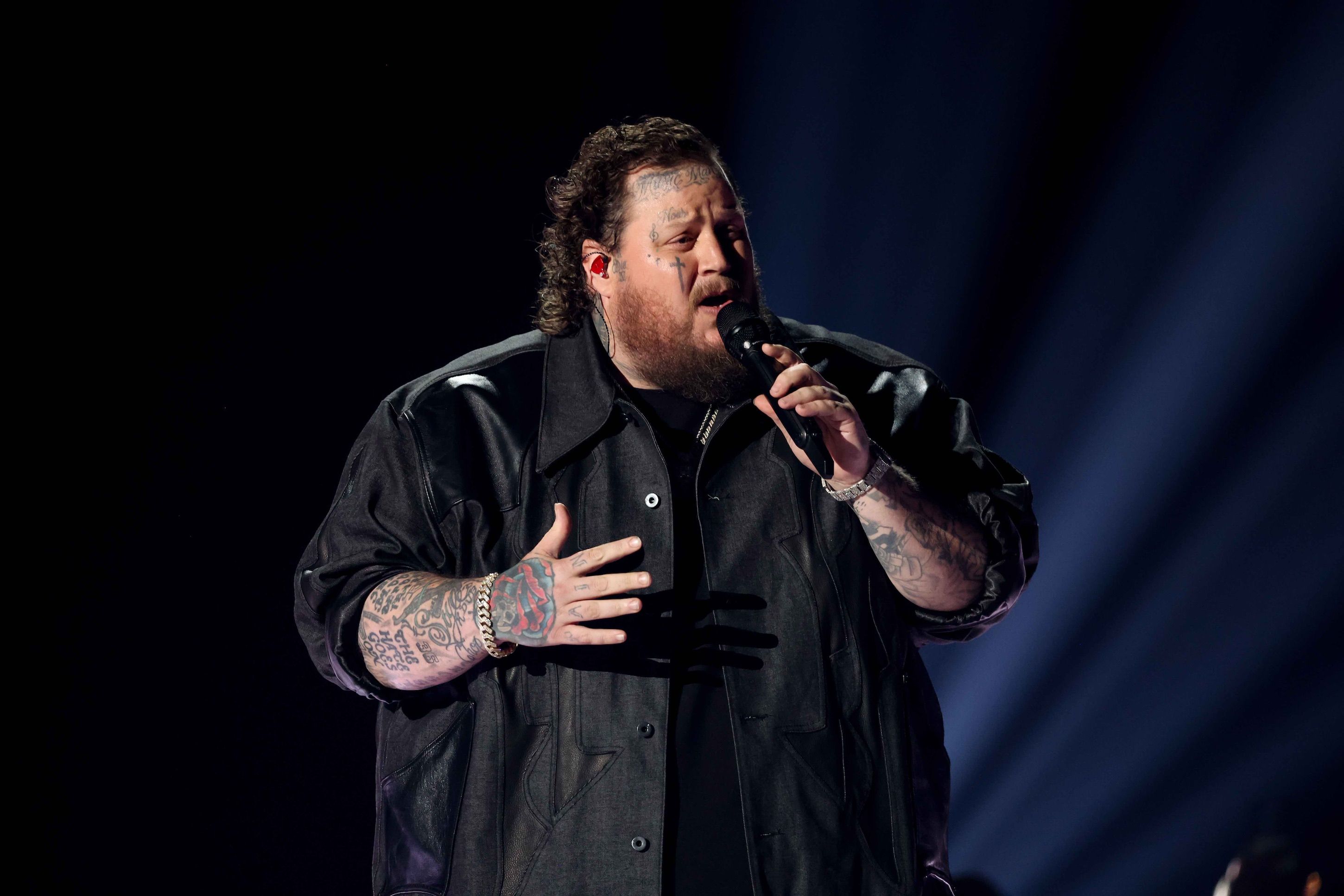
Jelly Roll’s brand is built on a narrative of redemption, struggle, and relatability. His visual identity—marked by prominent facial tattoos and a rugged, unpolished aesthetic—serves as a non-verbal communication tool. It signals to his audience that he is an outsider, a survivor, and an authentic voice from the margins. By leaning into this image, he creates an immediate emotional connection with a demographic that feels alienated by the highly manufactured polish of mainstream pop stars.
The Power of Narrative Consistency
Whether he is performing a rap verse, a country ballad, or a rock anthem, the “Jelly Roll brand” remains constant because the narrative arc does not change. His storytelling consistently revolves around themes of mental health, substance abuse recovery, and blue-collar survival. For brand strategists, this is a critical lesson: a brand’s “genre” is its aesthetic, but its “equity” is its story. By anchoring his brand in a specific, lived-in narrative, he ensures that his audience follows him regardless of the rhythmic tempo or instrumentation of his latest release.
Strategic Market Positioning: The Art of Genre Fluidity
From a marketing perspective, Jelly Roll’s career represents a strategic pivot away from hyper-specialized market segmentation toward a strategy of “genre agnosticism.” In traditional music marketing, artists are often pigeonholed into a specific silo—Country, Hip-Hop, or Rock—to make the job of radio programmers and streaming playlist curators easier. Jelly Roll has successfully defied this by effectively becoming a multi-category brand.
Navigating the “Category Error”
Many brands fear that by moving into a new category, they will alienate their core customer base. Jelly Roll avoided this by positioning his musical shifts as an expansion of his brand rather than a departure from it. By collaborating with artists across different demographics—from country staples like Lainey Wilson to established rappers—he effectively signaled to his audience that his brand ecosystem is large enough to encompass multiple styles. This is a sophisticated “brand stretching” exercise that allows him to capture market share in multiple Billboard charts simultaneously.

The Role of Algorithmic Marketing
Modern music consumption is driven by algorithms on platforms like Spotify and Apple Music. Jelly Roll’s ability to exist in the “gray space” between country and hip-hop is a strategic advantage in an algorithmic economy. Because his tracks contain elements of multiple genres, they are eligible for inclusion in a wider variety of curated playlists. By intentionally blending sounds, he has optimized his “discoverability,” ensuring that he reaches potential fans who might never have clicked on a traditional rap or country track. This is a brilliant application of cross-pollination in digital distribution strategy.
Community Building and Audience Retention
A strong brand is nothing without a dedicated community, and Jelly Roll’s approach to audience management mimics the most successful direct-to-consumer (DTC) business models. He understands that his fans are not just passive listeners; they are stakeholders in his success.
The “Tribe” Model of Engagement
In personal branding, the most loyal audiences are those that feel they have a shared identity with the creator. Jelly Roll often speaks about his fans as a collective—often referring to the “underdogs.” By fostering this “us versus the world” mentality, he creates a high barrier to entry for critics and a high level of loyalty among his supporters. This community-centric approach reduces customer acquisition costs because the brand advocates themselves (his fans) take on the role of organic promoters, sharing his content and defending his artistic choices on social media.
Balancing Mass Appeal with Niche Intensity
There is often a tension between the need to scale and the need to remain niche. Jelly Roll handles this by maintaining his rugged, outsider image while producing music that possesses undeniable mainstream appeal (often characterized by anthemic choruses and high-production value). This is the “accessible complexity” strategy: the brand is easy to identify with, but the music is sophisticated enough to be played on major radio networks. By scaling his reach while doubling down on his authentic, gritty persona, he minimizes the risk of appearing “sold out” to his core audience.
Lessons in Modern Brand Longevity
The music industry is notoriously fickle, and longevity is the ultimate metric of a brand’s strength. Jelly Roll’s career longevity—built on years of independent releases before his breakthrough—provides a roadmap for any entrepreneur looking to build a sustainable personal brand.
The Iterative Growth Strategy
Jelly Roll did not appear overnight. He spent over a decade refining his sound, testing different genres, and building a local following before scaling to national prominence. This iterative process is crucial for long-term brand success. Many creators fail because they seek immediate mass-market appeal, which often requires compromising the integrity of the brand. Jelly Roll’s willingness to experiment in the “underground” before making a move for the mainstream allowed him to find his unique voice—what branding experts might call his “Unique Selling Proposition” (USP)—without the pressure of corporate oversight.
Adaptability as a Core Capability
In an era of rapid digital transformation, a brand that cannot adapt is a brand that dies. Whether it is through his highly transparent social media presence or his willingness to embrace country music’s traditional values while maintaining his hip-hop roots, Jelly Roll demonstrates that fluidity is a competitive advantage. His brand isn’t tied to a specific sound; it is tied to an emotional state. This makes him future-proof. If the musical landscape shifts again—perhaps toward electronic or folk—the “Jelly Roll brand” can shift with it, provided the emotional core of his storytelling remains intact.
Ultimately, “What genre is Jelly Roll?” is the wrong question for anyone analyzing his success. The correct question is, “How does Jelly Roll use genre as a tool for brand expansion?” By treating his artistic output as a series of touchpoints for a single, well-defined brand identity, he has effectively removed the ceiling on his career. He is not a country artist, nor is he a rapper; he is a media entity whose genre is simply “Jelly Roll.” This serves as a vital reminder for all brand builders: when you define your brand by your values and your story rather than the limits of a category, the entire market becomes your domain.
aViewFromTheCave is a participant in the Amazon Services LLC Associates Program, an affiliate advertising program designed to provide a means for sites to earn advertising fees by advertising and linking to Amazon.com. Amazon, the Amazon logo, AmazonSupply, and the AmazonSupply logo are trademarks of Amazon.com, Inc. or its affiliates. As an Amazon Associate we earn affiliate commissions from qualifying purchases.