
The modern approach to personal finance often overlooks one of the most critical assets in an individual’s portfolio: their physical energy and sustained cognitive performance. When we discuss “satiety” in the context of money, we are looking at the intersection of nutritional efficiency and financial optimization. If you are constantly distracted by hunger pangs, frequent snacking, or the midday energy crash, you are losing billable hours and compromising your decision-making capacity. By strategically selecting foods that maintain satiety, you reduce grocery expenditure, minimize the “impulse buy” costs of convenience snacks, and maximize the return on your time—your most valuable currency.

The Economics of Nutritional Density
In the world of personal finance, we talk about high-yield investments. In the world of nutrition, we must talk about “high-satiety investments.” When you consume highly processed carbohydrates, you are effectively engaging in a “high-frequency, low-return” transaction. You get a rapid spike in energy followed by a crash, which necessitates further consumption—a compounding cycle of spending that depletes your wallet and your productivity.
The Role of Macro-Nutrient Budgeting
To maintain long-term satiety, your diet must be structured like a diversified investment portfolio. Protein serves as your “blue-chip stock”—it provides the most stable, long-term returns for your hunger levels. Dietary protein stimulates the release of satiety hormones like peptide YY and glucagon-like peptide-1, which signal to the brain that you have reached capacity. If your meals lack a substantial protein anchor, you are essentially “under-investing” in your body’s longevity, leading to inevitable “liquidity crises” in the form of hunger-induced cravings.
Fiber as a Cost-Reduction Strategy
High-fiber foods are the “fixed-income assets” of your diet. They do not provide the explosive growth of sugar, but they provide steady, reliable, and slow digestion. By incorporating legumes, whole grains, and cruciferous vegetables, you extend the transit time of nutrients in your digestive system. This creates a sustained release of energy, effectively lowering your cost-per-hour of concentration. When you feel full for six hours instead of two, you have successfully optimized your daily “resource allocation.”
Strategic Food Selection for Maximum Return
If you are treating your body as a business, you must treat your grocery budget as an operational expense. The goal is to maximize the satiety-per-dollar ratio. Many individuals fall into the trap of purchasing “cheap” processed foods that provide zero satiety, leading to higher total caloric expenditure throughout the day. By shifting your spending toward nutrient-dense, high-satiety foods, you lower your total food bill while simultaneously improving your output.
High-Yield Protein Sources
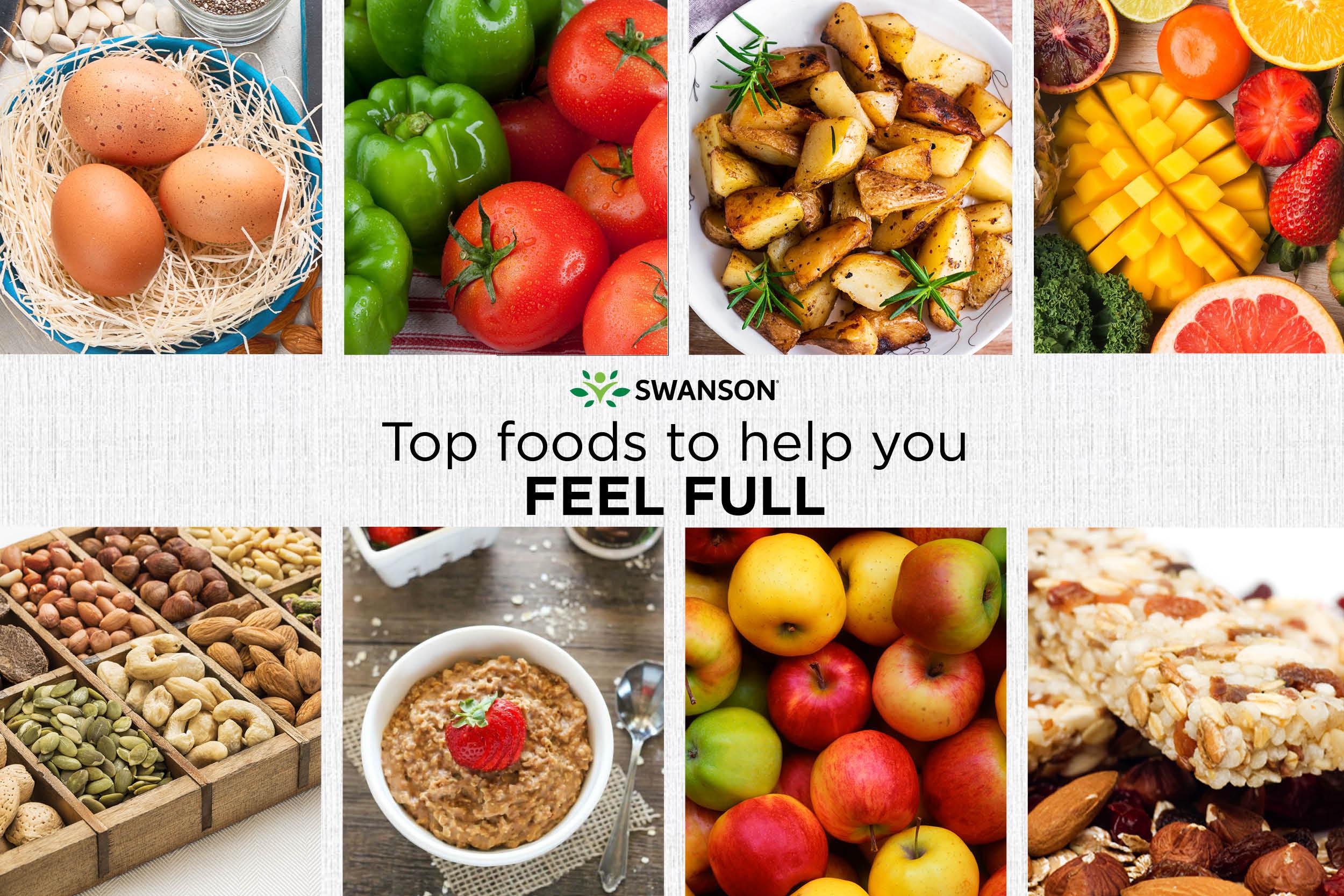
Invest in eggs, Greek yogurt, lean poultry, and fatty fish. These foods are not just biological necessities; they are financial tools. Consider the cost-benefit analysis of an egg: for a fraction of the cost of a pre-packaged granola bar, you receive high-quality protein and healthy fats that can keep a person satiated for three to four hours. The granola bar, by contrast, is a depreciating asset—it satisfies for thirty minutes before leaving you hungrier than when you started.
Volume Eating and Resource Management
Volume eating—the practice of consuming large portions of low-calorie, high-fiber foods—is the equivalent of scaling an operation for efficiency. Leafy greens, cucumbers, and berries allow you to physically occupy space in your stomach, signaling fullness to the hypothalamus, without overspending on caloric intake. This is a masterclass in efficiency: maximizing the sensation of “fullness” while minimizing the “overhead” of calories. It is the nutritional equivalent of lean startup methodology—achieving more with less.
The Opportunity Cost of the Afternoon Slump
Every business owner knows that decision fatigue is a real financial threat. If your diet consists of high-glycemic index foods, you are sabotaging your afternoon productivity. A glucose spike followed by a precipitous drop causes brain fog, irritability, and a lack of focus. If your job involves complex problem-solving, high-level negotiation, or financial planning, this “midday crash” is an expensive error.
Stabilizing Your Cognitive Cash Flow
To keep your brain performing at peak capacity, you must keep your blood sugar stable. Foods that keep you full longer—specifically those paired with healthy fats like avocados, nuts, and seeds—slow the absorption of glucose into the bloodstream. This creates a “long-term bond” of energy. Instead of the volatile “day-trading” of sugar rushes, you are investing in a “dividend-paying” strategy of sustained focus. By avoiding the snack cabinet during the 3:00 PM slump, you reclaim an hour of high-value work that would otherwise be lost to lethargy.
The Financial Impact of “Hunger Decisions”
There is a direct correlation between hunger and poor financial decision-making. When blood glucose drops, cortisol rises. Under these conditions, the brain is programmed to seek immediate, high-calorie relief. This is the physiological basis for impulse shopping and poor investment decisions. By maintaining satiety through slow-digesting, nutrient-dense foods, you insulate yourself from the biological urge to “panic sell” your diet or your budget. A full stomach is a disciplined stomach; it provides the cognitive bandwidth required to review your spreadsheets, track your expenses, and plan for future growth.
Sustaining Performance Through Nutritional Discipline
Discipline in nutrition is no different from discipline in personal finance. It requires a long-term perspective and the ability to forgo immediate gratification for future stability. Choosing a bowl of steel-cut oats over a sugary cereal, or a salmon fillet over a fast-food burger, is a conscious decision to prioritize your future self.
Automating Your Dietary Infrastructure
Just as you automate your savings and investments, you should automate your nutritional intake. Meal prepping is the ultimate “auto-invest” tool. By preparing batches of satiating, high-protein, high-fiber meals, you remove the choice from the moment of weakness. When you arrive home late or start your day early, your “portfolio” is already set. You aren’t scrambling for a quick, low-satiety fix; you are utilizing the assets you have already secured.

Measuring Your Returns
How do you track the success of your new nutritional strategy? Look at your “expenditure.” Are you spending less at the vending machine? Are you avoiding the mid-morning coffee-and-pastry run? Is your ability to focus during the final two hours of the workday improving? If the answer is yes, you are effectively generating a high ROI on your food choices.
You are no longer just eating to survive; you are fueling to thrive. When you view satiety as a tool for efficiency, you stop seeing healthy food as an expense and start seeing it as an essential capital expenditure. The high-satiety diet is the foundation upon which your financial and professional life is built. By keeping yourself full longer, you are doing more than just suppressing appetite; you are investing in the endurance required to succeed in a competitive economic landscape. Stay full, stay focused, and protect your most valuable assets: your health, your time, and your wealth.
aViewFromTheCave is a participant in the Amazon Services LLC Associates Program, an affiliate advertising program designed to provide a means for sites to earn advertising fees by advertising and linking to Amazon.com. Amazon, the Amazon logo, AmazonSupply, and the AmazonSupply logo are trademarks of Amazon.com, Inc. or its affiliates. As an Amazon Associate we earn affiliate commissions from qualifying purchases.