
In the realm of professional photography and digital asset management, the term “negative” has transcended its origins as a physical strip of celluloid. While the historical definition—a reversal of light and color values on a transparent base—remains the foundation of the craft, the digital age has redefined the negative as the primary source of truth in an image. Understanding negatives is not merely an exercise in nostalgia; it is a fundamental requirement for anyone looking to master the technical and creative aspects of modern imaging.
The Evolution of the Photographic Negative
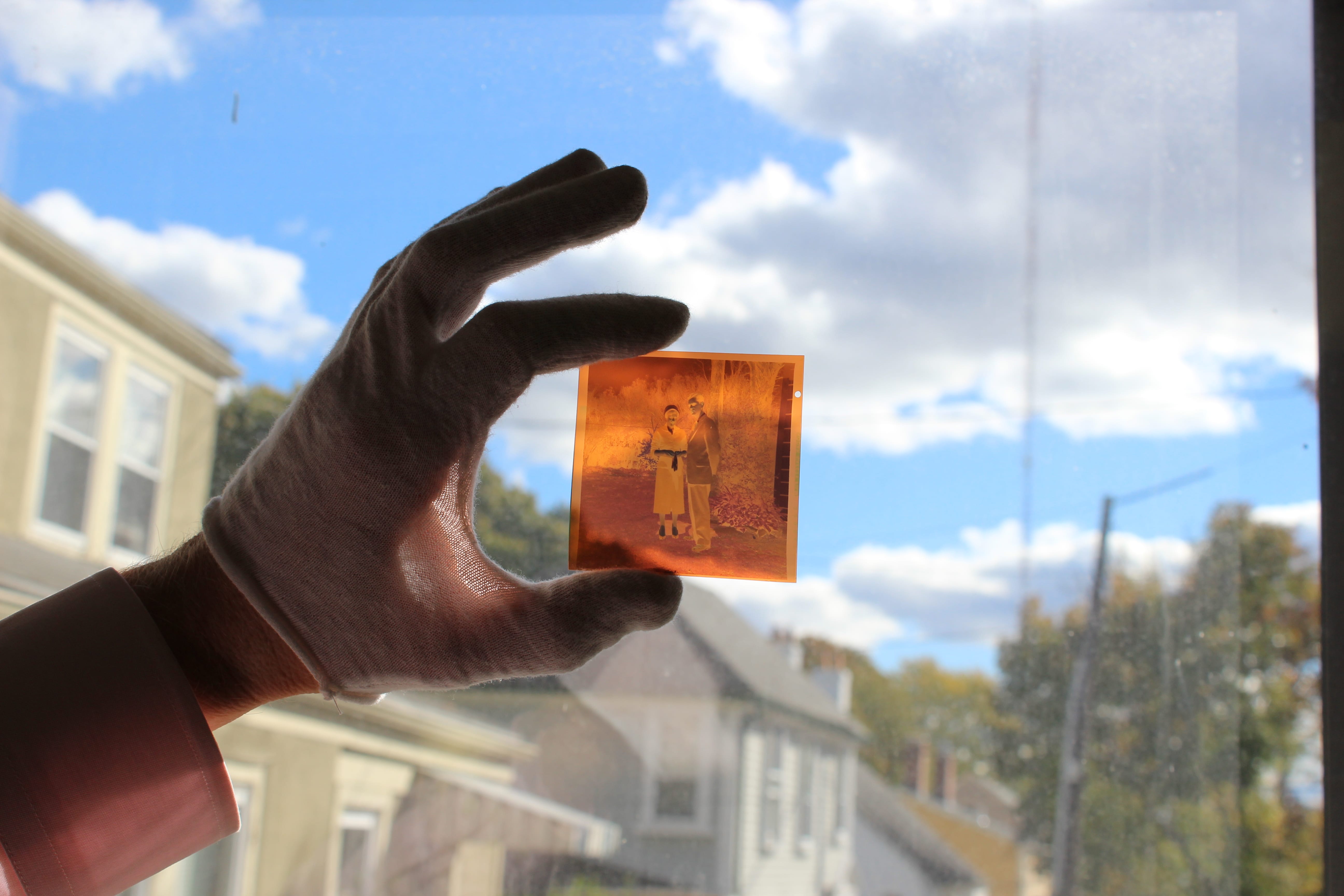
To understand what a negative is, one must first look at the chemical process of traditional photography. When light hits photographic film, it triggers a chemical reaction that creates a latent image. When developed, this film becomes a negative: the bright areas of the scene appear dark, and the dark areas appear light. This inversion is the essential blueprint from which a “positive” print is made.

The Chemical Foundation
The negative is the master record of the visual information captured by a lens. Because light-sensitive silver halide crystals are used, the resulting image contains an incredible dynamic range and a unique organic grain structure. In the film era, the negative was the absolute authority. If you lost the negative, you lost the ability to produce high-quality prints. Photographers often spent hours in the darkroom, “dodging” and “burning” specific areas of the negative to manipulate exposure levels, effectively creating the first iteration of what we now call post-processing.
From Cellulose to Sensors
As we transitioned to digital technology, the concept of the “negative” migrated into software. The industry realized that a raw file captured by a digital sensor—a “RAW file”—acts as the modern digital negative. Unlike a compressed JPEG, which has baked-in contrast, saturation, and white balance settings, a RAW file contains the unprocessed data from the sensor. It is the digital equivalent of a developed strip of film, awaiting the photographer’s interpretation in the “digital darkroom” of modern software.
The Digital Negative: RAW Files as the New Standard
In the context of modern photography, when we speak of “negatives,” we are almost exclusively referring to RAW image formats. These files are not yet images in the traditional sense; they are vast data sets that require software interpretation to be rendered into a viewable picture.
Why Data Integrity Matters
The primary benefit of the digital negative is its non-destructive nature. When you open a RAW file in professional editing software, the original data remains untouched. You can push the highlights, lift the shadows, and shift the white balance, and the file will record these as a set of instructions rather than pixels overwritten. This allows for a level of creative flexibility that JPEGs simply cannot match. If you shoot a JPEG, the camera’s internal processor makes subjective decisions about color and contrast, discarding the data it deems unnecessary. With a negative, you retain control over every decision.
Bit Depth and Dynamic Range
A critical aspect of the digital negative is bit depth. While standard consumer images are typically 8-bit, RAW files are often 12-bit, 14-bit, or even 16-bit. This allows for millions of individual color gradations. When you edit a 14-bit file, you are pulling information from a massive reservoir of data. If you try to aggressively adjust a JPEG, you will quickly see “banding” or pixelated artifacts because the file lacks the depth to accommodate major changes. The digital negative acts as a safety net, allowing you to salvage images that were accidentally underexposed or captured in challenging lighting conditions.

Strategic Management and Workflow
Treating digital images like negatives is a mindset that separates amateur enthusiasts from professional content creators. A disorganized library of digital negatives is a liability; a managed one is a business asset.
The Importance of Archival
In the past, photographers stored their physical negatives in climate-controlled sleeves to prevent mold, dust, and color shifts. Today, the challenge is digital degradation. Hard drives fail, file formats evolve, and cloud services change their terms of service. A robust workflow for managing your digital negatives involves a three-tiered approach: immediate local storage for active editing, a secondary local backup for physical safety, and an off-site or cloud-based backup for disaster recovery. Treating your RAW files with the same reverence as archival film ensures your intellectual property remains accessible for decades.
Metadata and Cataloging
A negative is useless if you cannot find it. In the professional world, this is where metadata—specifically EXIF and IPTC data—becomes vital. By embedding copyright information, location data, and searchable keywords into your digital negatives, you turn a chaotic folder of files into a searchable, monetizable database. Many professional photographers use cataloging software to “rate” their negatives immediately after an import. This creates a filter that separates the “keepers” from the junk, ensuring that your editing time is spent only on the most valuable assets.
The Creative Potential of Negative Space
While we have focused on the technical definition of negatives, it is impossible to discuss the term without acknowledging its role in visual composition. In design and photography, “negative space” is the area surrounding the main subject of an image.
Balancing the Frame
Beginners often focus entirely on the subject, filling the frame until there is no room to breathe. Experienced photographers and designers, however, recognize that the negative space is just as important as the subject itself. It provides the viewer’s eye with a place to rest and establishes the scale and mood of the composition.
Minimalist Strategy
In modern branding and commercial photography, the intentional use of negative space is a powerful tool. It creates a sense of sophistication and clarity. By leaving large areas of an image uncluttered, you force the viewer to focus on the essential element of the design. Whether you are creating a photograph for a magazine cover or designing a logo for a luxury brand, understanding how to utilize the negative area of your composition is what elevates a project from “busy” to “iconic.”
The Future of the Negative
As we look toward the horizon, the definition of the negative continues to shift. With the integration of AI-driven computational photography, our devices are now making decisions faster than ever before. Modern smartphones perform “stacking,” where they capture multiple negatives in a millisecond and combine them into a single, optimized positive.
Despite this automation, the core principle remains unchanged: the value lies in the raw data. Even as algorithms become more sophisticated, the desire for creative control remains a human constant. Whether you are using a vintage film camera or the latest full-frame mirrorless system, the “negative” is the bridge between the scene you witnessed and the final result you present to the world. It is the raw potential of the medium, the canvas for your narrative, and the permanent record of your creative vision. By mastering the handling, editing, and storage of your negatives, you aren’t just taking photos—you are preserving moments with the highest possible fidelity.
aViewFromTheCave is a participant in the Amazon Services LLC Associates Program, an affiliate advertising program designed to provide a means for sites to earn advertising fees by advertising and linking to Amazon.com. Amazon, the Amazon logo, AmazonSupply, and the AmazonSupply logo are trademarks of Amazon.com, Inc. or its affiliates. As an Amazon Associate we earn affiliate commissions from qualifying purchases.