
In the realm of dietary supplements and functional health, lipase and amylase represent two of the most critical enzymatic assets for metabolic optimization. While often discussed in clinical contexts regarding digestion, these biocatalysts have recently transitioned into the mainstream of the biohacking and wellness technology sectors. For the modern consumer looking to optimize nutritional intake and gut health, understanding how these enzymes function is essential for selecting the right digestive support tools.
The Biochemical Mechanics of Amylase
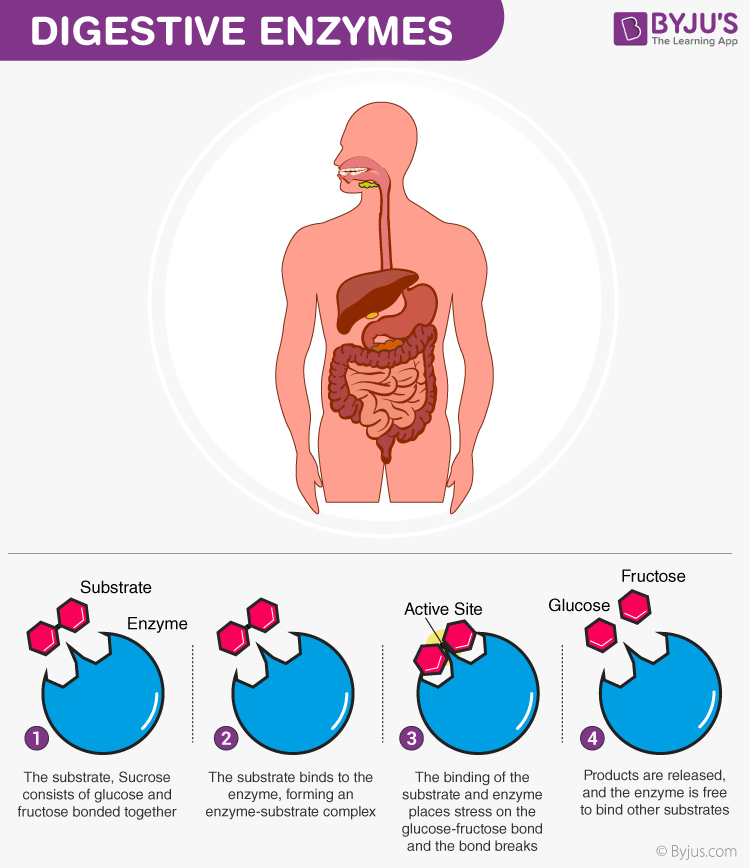
Amylase is the foundational enzyme responsible for the initial phase of carbohydrate catabolism. Produced primarily by the salivary glands and the pancreas, it functions as a biological catalyst that initiates the breakdown of complex starches into simpler sugars.
The Role of Salivary Amylase
Digestion begins in the oral cavity. As food enters the mouth, salivary amylase—also known as ptyalin—begins hydrolyzing alpha-linked polysaccharides. This immediate enzymatic action is why starchy foods, such as crackers or potatoes, begin to taste slightly sweet after being chewed for a duration. For individuals utilizing intermittent fasting or high-carb fueling strategies, the efficacy of salivary amylase can dictate the speed of glycemic response.
Pancreatic Amylase and Nutrient Absorption
Once the bolus of food travels through the esophagus and into the small intestine, pancreatic amylase takes over. It is significantly more potent than its salivary counterpart and is responsible for breaking down the bulk of dietary carbohydrates into maltose and other disaccharides. From a health-optimization perspective, if the pancreas fails to produce sufficient levels of this enzyme, the result is malabsorption, which manifests as bloating, gas, and suboptimal energy levels following carbohydrate-rich meals.
The Structural Significance of Lipase
If amylase is the gatekeeper of carbohydrate energy, lipase is the primary architect of lipid metabolism. Lipase is the essential enzyme required for the hydrolysis of fats into glycerol and free fatty acids. In an era where ketogenic diets and high-fat nutritional protocols are prevalent, the role of lipase in ensuring proper lipid utilization cannot be overstated.
Breakdown of Triglycerides
Dietary fats are primarily consumed in the form of triglycerides, which are too large to be absorbed through the intestinal lining in their original state. Lipase works in tandem with bile salts—secreted by the liver and stored in the gallbladder—to emulsify fat globules, effectively increasing the surface area for the lipase enzymes to attach. Without adequate lipase, consumed fats pass through the digestive tract largely undigested, leading to fat-soluble vitamin deficiencies, including the inability to absorb Vitamins A, D, E, and K.
The Synergy Between Lipase and Mitochondrial Health
The metabolic output of lipase is not just about weight management; it is about cellular energy. When lipase successfully breaks down fats, it provides the body with long-chain fatty acids that serve as the fuel for mitochondrial beta-oxidation. For those engaged in high-intensity training or cognitive-heavy professional work, optimizing lipase levels via supplemental digestive enzymes ensures that the body has a steady supply of ketone bodies or fatty acids, preventing the “sluggish” feeling often associated with poor fat digestion.
Digestive Enzyme Supplementation as a Productivity Tool

In the modern high-performance landscape, the focus has shifted from mere survival to peak cognitive and physical efficiency. Digestive enzyme supplementation has moved from a treatment for clinical insufficiency to a tactical addition for the health-conscious executive.
Optimizing Nutrient Bioavailability
We often hear the adage, “You are what you eat,” but in nutritional science, a more accurate statement is, “You are what you absorb.” Even a perfectly designed, nutrient-dense diet is rendered ineffective if the body lacks the enzymatic capacity to break down those nutrients. By supplementing with lipase and amylase, individuals ensure that the macro-nutrients consumed are successfully converted into ATP (adenosine triphosphate). This leads to increased mental clarity, sustained energy levels, and reduced post-prandial fatigue.
Selecting Quality Enzyme Complexes
When evaluating supplements, consumers should prioritize formulations that offer a standardized “activity unit” (often measured in DU for amylase or FIP for lipase). Unlike mass-market fillers, high-quality enzyme formulations are usually derived from plant-based sources, such as Aspergillus oryzae, which provides a stable enzymatic profile that survives the acidic environment of the stomach. Understanding the potency—how many grams of fat or starch a single capsule can break down—is the key to finding a product that provides a genuine return on investment for your health.
Clinical Indicators and When to Supplement
While lipase and amylase are standard in the human body, various stressors can deplete these enzymes over time. Understanding when to incorporate exogenous enzymes can be the difference between a sluggish afternoon and a productive one.
Identifying the Symptoms of Deficiency
Several markers indicate that your endogenous enzyme production may be insufficient:
- Post-Meal Bloating: Feeling distended or excessively full after consuming a meal that you know is within your caloric goals.
- Brain Fog: Often caused by blood sugar fluctuations resulting from slow carbohydrate breakdown, or a lack of fuel resulting from poor lipid absorption.
- Stool Irregularities: Specifically, the presence of undigested fat, which can be an indicator that dietary intake is outpacing your lipase production.
- Energy Crashes: A rapid onset of lethargy following a meal suggests that the body is diverting excessive energy to the digestive process because the chemical breakdown is inefficient.
The Role of Lifestyle in Enzyme Preservation
It is important to note that stress (the sympathetic nervous system response) inhibits the production of digestive juices. When we eat while “on the go,” while working, or while feeling stressed, our bodies focus on glucose mobilization rather than enzymatic digestion. Integrating a mindfulness practice during meals is a behavioral intervention that works in tandem with supplementation. By calming the nervous system, you create the physiological environment necessary for your body’s endogenous lipase and amylase to function at their peak.
The Future of Digestive Health Technology
As we move toward a future of personalized health, we are beginning to see the intersection of digestive enzymes with biotechnology. Currently, there is an emergence of “smart” digestive aids that utilize delayed-release capsules to ensure that enzymes reach the duodenum at the exact moment they are needed.
Furthermore, continuous glucose monitors (CGMs) are now being used in conjunction with digestive enzyme protocols. By tracking the glycemic response to specific meals, users are able to determine exactly how much amylase is required to maintain a stable glucose curve. This represents a paradigm shift: we are moving away from trial-and-error supplementation and toward a data-driven approach to digestion.
In conclusion, lipase and amylase are not merely secondary components of the digestive tract; they are the primary engines of energy production and nutrient utilization. Whether you are an athlete looking to maximize calorie efficiency, a professional seeking to eliminate the “afternoon slump,” or an individual simply looking to improve long-term gut health, the strategic use of these enzymes—supported by a deeper understanding of their biological role—is a cornerstone of modern metabolic health. By prioritizing enzymatic efficiency, you ensure that every calorie consumed contributes to your overall objective, rather than becoming a source of systemic stress.
aViewFromTheCave is a participant in the Amazon Services LLC Associates Program, an affiliate advertising program designed to provide a means for sites to earn advertising fees by advertising and linking to Amazon.com. Amazon, the Amazon logo, AmazonSupply, and the AmazonSupply logo are trademarks of Amazon.com, Inc. or its affiliates. As an Amazon Associate we earn affiliate commissions from qualifying purchases.