
Tungiasis, commonly referred to as a “jigger” infestation, is a parasitic skin disease caused by the female sand flea, Tunga penetrans. While often mistaken for a common skin irritation or a minor dermatological nuisance, this condition represents a significant public health concern in tropical and subtropical regions. Understanding the biological nature, the economic implications, and the preventative branding strategies required to combat this condition is essential for those operating within global health and developmental sectors.
The Biological Profile of Tunga Penetrans
To understand jiggers, one must first understand the parasite itself. Tunga penetrans is the smallest known flea, yet it possesses a devastatingly effective lifecycle. Unlike other fleas that jump between hosts, the jigger flea is a burrowing parasite.
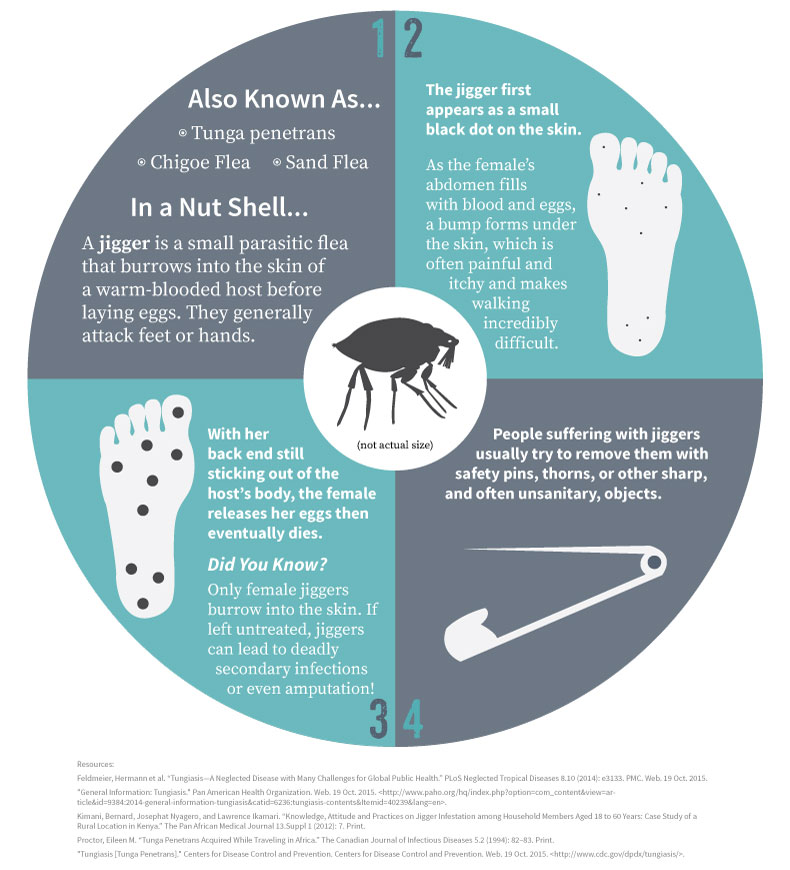
The Lifecycle of the Female Sand Flea
The infestation begins when the female flea, which has recently mated, seeks a warm-blooded host. Preferring the soft skin of the feet—particularly around the toes, the nail bed, and the soles—the flea burrows into the stratum corneum. Once embedded, the flea begins to feed on the host’s blood. As it consumes nutrients, the flea undergoes rapid hypertrophy. Its abdomen swells to the size of a pea, often causing the host significant pain and discomfort.
The Role of the Environment
These fleas thrive in sandy, dry, and shaded soil, often found in rural environments or areas with poor sanitation. The transition from larva to adult flea happens within the soil; therefore, the infestation is strictly tied to the immediate physical environment of the victim. This environmental factor is where the intersection of public health and infrastructure design becomes paramount, as the containment of these fleas requires a systemic approach to urban and rural planning.
The Economic and Social Impact of Jigger Infestations
In the context of global development, jigger infestations are not merely a medical issue; they are an economic one. When analyzing the impact through a socioeconomic lens, it becomes clear that Tunga penetrans acts as a barrier to productivity and prosperity.
Impact on Labor and Productivity
An individual suffering from a severe jigger infestation is often unable to walk or perform manual labor. In agrarian societies where physical mobility is the primary engine of income generation, the inability to move freely leads to immediate financial loss. For a farmer, a few weeks of restricted mobility can mean the difference between a successful harvest and a failed season. Consequently, jigger infestations perpetuate cycles of poverty, preventing individuals from participating in the workforce and contributing to local economic growth.
Education and Social Marginalization
Children are disproportionately affected by jiggers. When students suffer from foot infections, school attendance drops sharply. This creates a long-term economic deficit, as the loss of human capital development hampers future earning potential. Furthermore, the stigma associated with the presence of jiggers often leads to social exclusion. Individuals may be marginalized by their communities, which can negatively impact their personal branding and ability to integrate into professional or social networks, further isolating them from economic opportunities.
Strategic Approaches to Prevention and Public Awareness
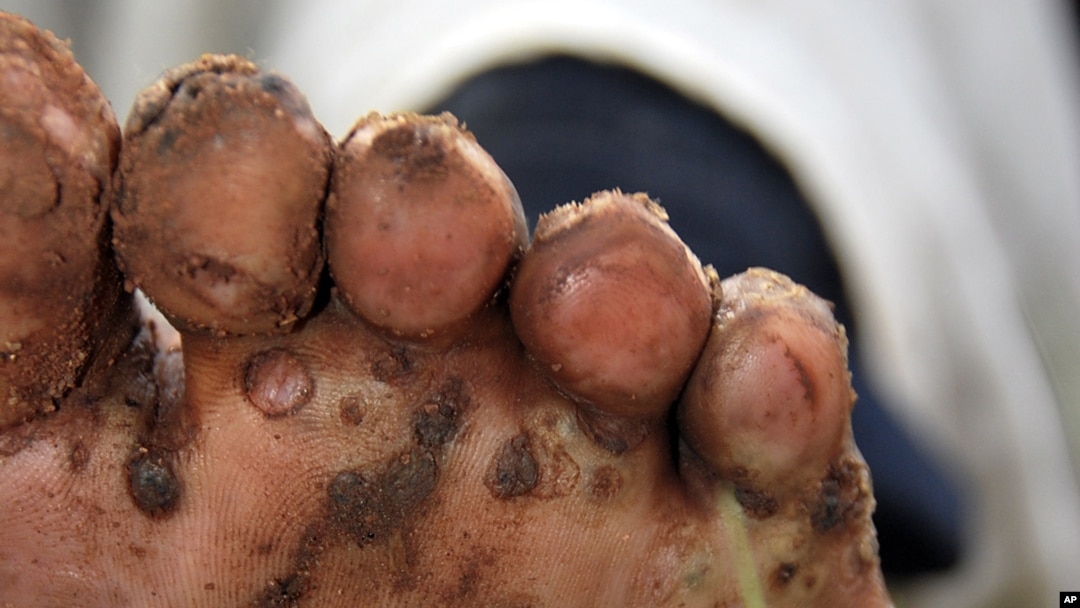
Effective management of jigger infestations requires more than just clinical treatment; it requires a robust strategy of community engagement, education, and brand-led public awareness campaigns.
Developing Public Health Branding
To effectively eradicate jiggers in affected regions, organizations must treat public health initiatives like a brand strategy. The messaging must be clear, consistent, and culturally sensitive. A successful awareness campaign focuses on the “Why” and the “How”:
- Why: Explain the economic benefits of a jigger-free environment (e.g., higher school attendance, better crop yields, increased personal mobility).
- How: Provide actionable, low-cost solutions, such as the use of closed-toe footwear and the implementation of soil management practices.
By positioning hygiene and preventative care as a desirable lifestyle brand, local governments and NGOs can encourage consistent behavior change. This is essentially a case study in behavioral economics: changing the perception of foot care from a remedial necessity to a proactive standard of living.
Corporate Social Responsibility (CSR) and Infrastructure
Businesses operating in regions prone to jigger infestations have a unique opportunity to contribute through CSR initiatives. By investing in flooring for schools or residential units, companies can mitigate the environmental conditions that allow the flea to thrive. This not only improves the lives of the local population but also strengthens the brand equity of the organizations involved, demonstrating a commitment to the well-being of the communities that support their operations.
Clinical Management and Long-term Eradication
When prevention fails, clinical intervention is required. However, the management of jiggers is rarely a one-time fix; it is a process that requires ongoing attention and proper medical infrastructure.
Standard Removal Protocols
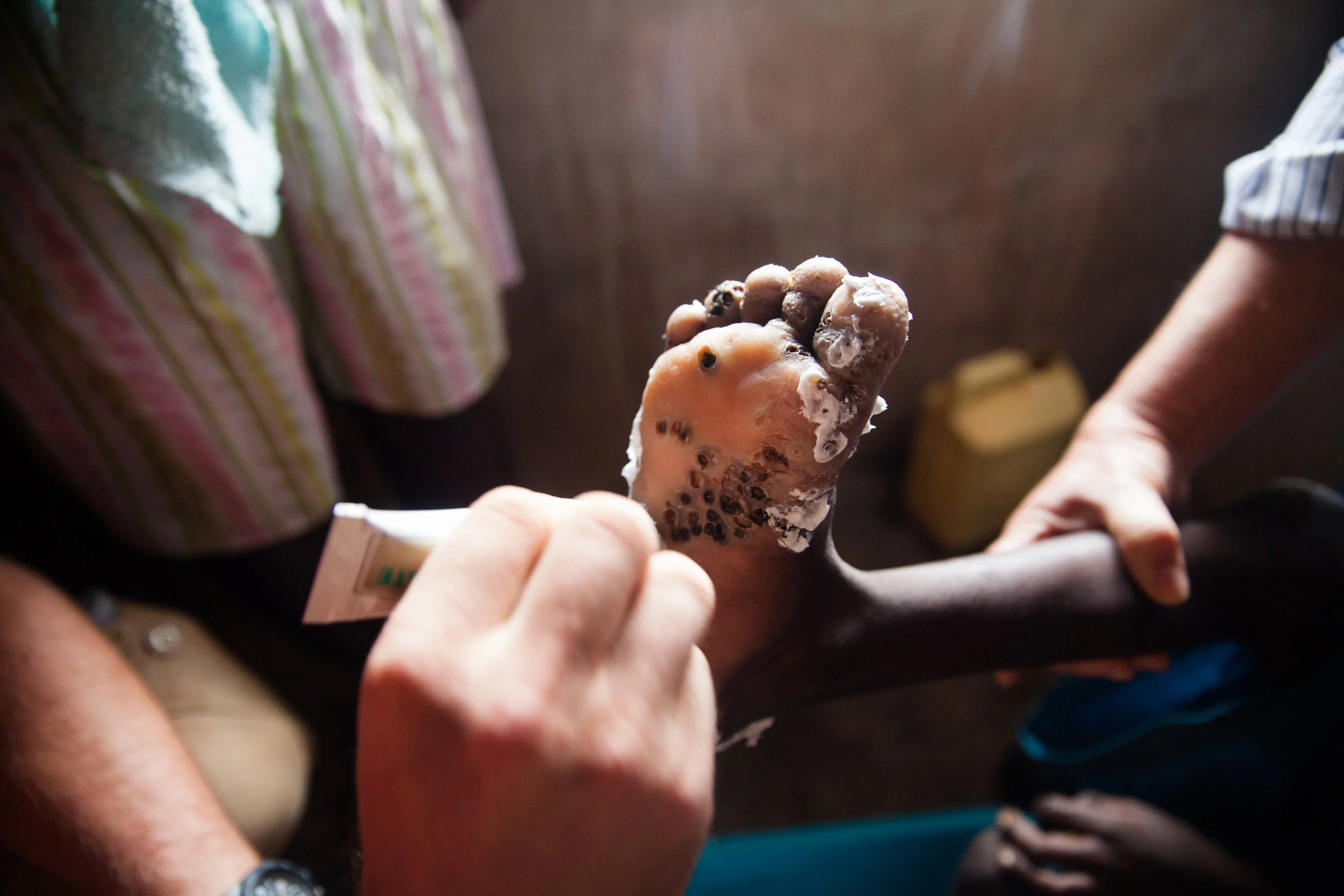
The professional removal of a jigger flea requires sterile equipment. In many rural areas, individuals attempt to remove the fleas using non-sterile pins or needles, which often leads to secondary infections such as tetanus or staph. Therefore, the “product” being delivered here is not just the removal of the flea, but the provision of sterile, professional-grade medical tools. Providing these tools—and training local community health workers to use them—is a vital investment in public health.
Sustaining Progress through Financial Planning
Eradication efforts often falter due to a lack of long-term funding. A sustainable approach requires the creation of localized financial models that ensure a steady supply of antiseptics, bandages, and footwear. This involves:
- Micro-funding: Supporting small-scale clinics to maintain an inventory of essential medical supplies.
- Infrastructure Grants: Redirecting financial resources toward improving soil drainage and home sanitation to reduce the flea population at its source.
Conclusion: Bridging the Gap Between Health and Prosperity
The condition of jiggers on the foot is a visceral reminder of how biological threats can impede economic and social progress. By viewing this challenge through the lens of strategy and systemic planning, we can better appreciate the necessity of long-term, scalable solutions.
When we address jigger infestations with the same rigor used in business strategy, we recognize that the solution is not just about the removal of a parasite; it is about the empowerment of individuals to move freely, work effectively, and live with dignity. Whether through the design of better, affordable footwear, the implementation of sustainable building materials to seal earth floors, or the execution of high-impact public health marketing, the goal remains the same: to remove the barriers—both biological and environmental—that prevent people from reaching their full potential.
Ultimately, the fight against Tunga penetrans is a fight for economic mobility. By treating health as a foundational component of a thriving economy, we ensure that communities are not just surviving, but are equipped to grow, innovate, and prosper in the modern world.
aViewFromTheCave is a participant in the Amazon Services LLC Associates Program, an affiliate advertising program designed to provide a means for sites to earn advertising fees by advertising and linking to Amazon.com. Amazon, the Amazon logo, AmazonSupply, and the AmazonSupply logo are trademarks of Amazon.com, Inc. or its affiliates. As an Amazon Associate we earn affiliate commissions from qualifying purchases.