
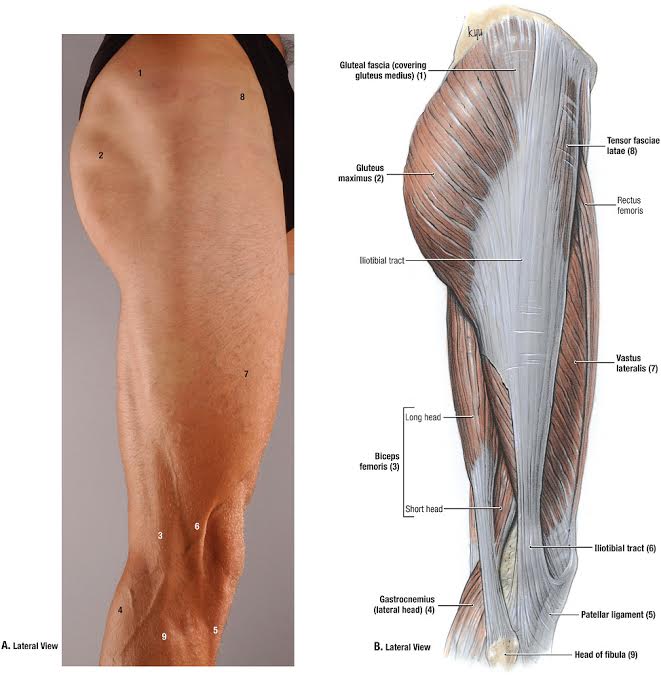
The iliotibial (IT) band is a thick, fibrous band of connective tissue—specifically fascia—that runs along the outside of the thigh, extending from the iliac crest (the top of the hip bone) down across the knee joint to the top of the tibia (the shin bone). Often misunderstood as a muscle, the IT band is actually a specialized band of deep fascia that plays a critical role in stabilizing the knee and hip during movement. While it does not contract like a muscle, it acts as a critical structural component, functioning like a tension cable that helps maintain the alignment of the leg during weight-bearing activities such as walking, running, and cycling.

Understanding the anatomy of the IT band is essential for anyone involved in repetitive athletic movements. By grasping how this tissue interacts with the surrounding musculature—including the tensor fasciae latae (TFL) at the hip and the gluteus maximus—individuals can better comprehend why it often becomes a site of tension and pain. When this band becomes tight, inflamed, or irritated, it can lead to a condition known as iliotibial band syndrome (ITBS), a common overuse injury that forces many athletes to sideline their training regimens.
The Biomechanics of the IT Band
The IT band serves a functional role that is distinct from traditional muscular tissue. Because it is composed of dense, collagen-rich fascia, it possesses limited elasticity. This rigidity is precisely what makes it an excellent stabilizer, but it is also why it is susceptible to mechanical stress. Throughout the gait cycle, the IT band shifts forward and backward over the lateral femoral epicondyle, which is the bony protrusion on the outer side of the knee.
Stabilizing the Knee and Hip
During the stance phase of running, the IT band works in concert with the gluteal muscles to provide lateral stability. It prevents the knee from collapsing inward (valgus stress) and assists in stabilizing the pelvis. When the foot hits the ground, the IT band acts as a shock absorber and a tension-regulating structure. By transferring energy and stabilizing the joints, it allows the leg to move fluidly without compromising structural integrity.
The Mechanism of Overuse
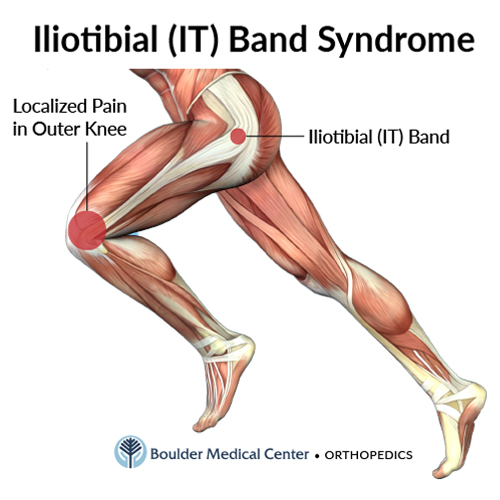
The problems typically associated with the IT band do not usually stem from a tear or a direct impact, but rather from repetitive friction. When the leg moves through the flexion and extension cycle repeatedly—such as during a long-distance run—the IT band slides over the lateral femoral epicondyle. If the band is overly tight, or if the mechanics of the hip and knee are misaligned, this sliding motion creates excessive friction. This repeated friction causes the tissue to thicken and become inflamed, leading to the sharp, stabbing pain on the outside of the knee that characterizes IT band syndrome.
Identifying and Preventing IT Band Syndrome
Iliotibial band syndrome is one of the most prevalent causes of lateral knee pain in endurance athletes. Recognizing the symptoms early is key to avoiding chronic issues. The primary indicator is a stinging sensation on the outside of the knee that often worsens during or after physical activity. In the early stages, the pain might only occur after several miles of running, but as the condition progresses, it may be present during walking or even while sitting with the knee bent for extended periods.
Assessing Contributing Factors
ITBS is rarely caused by a single issue; it is usually the result of a combination of mechanical deficiencies. Common contributors include:
- Weak Gluteal Muscles: The gluteus medius is responsible for stabilizing the hip. If this muscle is weak, the pelvis drops, which forces the TFL and the IT band to take on extra work, increasing tension along the entire lateral chain.
- Over-Pronation: If the foot collapses inward significantly during the gait cycle, it causes the lower leg to rotate internally, which creates a rotational torque that stresses the IT band at the knee.
- Training Errors: A sudden increase in mileage, running on banked surfaces (like the slanted edge of a road), or frequently running downhill can place abnormal stress on the IT band.
- Leg Length Discrepancy: Even a slight difference in leg length can alter gait mechanics, causing one side to compensate and overload the connective tissue.
Proactive Management Strategies
Prevention is centered on addressing the root causes of mechanical overload. Integrating a comprehensive strength training program is the most effective way to protect the IT band. Focusing on hip abduction exercises, such as “clamshells,” lateral band walks, and single-leg glute bridges, helps strengthen the stabilizers that offload the work from the fascia. Furthermore, ensuring that running gear is appropriate—specifically using footwear that provides adequate support for one’s arch type—can significantly reduce the rotational forces that exacerbate friction.
Mobility and Maintenance Techniques
While the IT band itself is not a muscle and cannot be “stretched” in the traditional sense, the muscles to which it is attached—the TFL and gluteus maximus—can be elongated to reduce the tension being pulled through the fascia. Effective maintenance involves a dual approach: soft tissue mobilization and targeted muscle activation.
The Role of Foam Rolling
Foam rolling has become a staple in the recovery routines of athletes, but the application is often misunderstood. It is common to see individuals rolling directly over the IT band, which can sometimes be counterproductive if the tissue is already acutely inflamed. Instead, focus the foam roller on the muscles that attach to the IT band: the hip muscles and the quadriceps. By releasing the tightness in the gluteals and the TFL, you decrease the “pulling” tension at the top of the IT band, which naturally allows the band to relax.
Targeted Stretching and Activation
Rather than spending excessive time trying to force the IT band to stretch, dedicate time to dynamic mobility. Exercises that open up the hip flexors and strengthen the hip stabilizers provide long-term relief. For example, a side-lying leg lift performed correctly targets the gluteus medius, providing the necessary support to keep the IT band from having to act as the primary stabilizer. Integrating these routines into a warm-up sequence ensures that the hip complex is functioning correctly before the high-intensity impact of a run begins.
When to Seek Professional Guidance
While many cases of IT band irritation can be managed through rest, targeted stretching, and corrective exercise, there are instances where professional intervention is necessary. Persistent pain that does not subside after a period of rest, swelling, or pain that prevents normal daily activities should be evaluated by a physical therapist or a sports medicine specialist.
A professional can provide a gait analysis to determine if structural or biomechanical issues are the primary drivers of the problem. They can also provide a structured rehabilitation plan that uses tools like therapeutic ultrasound or dry needling to manage inflammation and release deep-seated muscle trigger points. Understanding the IT band is not just about knowing its anatomy; it is about respecting the delicate balance between stability and mobility that keeps the body moving efficiently. By addressing the strength of the kinetic chain and maintaining proper form, one can manage the IT band effectively, turning a potential point of injury into a stable foundation for athletic performance.
aViewFromTheCave is a participant in the Amazon Services LLC Associates Program, an affiliate advertising program designed to provide a means for sites to earn advertising fees by advertising and linking to Amazon.com. Amazon, the Amazon logo, AmazonSupply, and the AmazonSupply logo are trademarks of Amazon.com, Inc. or its affiliates. As an Amazon Associate we earn affiliate commissions from qualifying purchases.