
The fitness supplement industry has evolved from a niche market for competitive bodybuilders into a multi-billion-dollar global sector driven by data-backed performance enhancement. As the demand for peak physical output grows, the market has become saturated with colorful powders and proprietary blends. Selecting a “good” pre-workout is no longer about choosing the best-tasting container; it is an exercise in financial literacy and resource allocation. Investing in your physical health is a significant line item in a personal budget, and treating supplements as a financial asset—where you expect a measurable return on investment in the form of energy, focus, and recovery—is the hallmark of a savvy consumer.
The Financial ROI of Supplementation
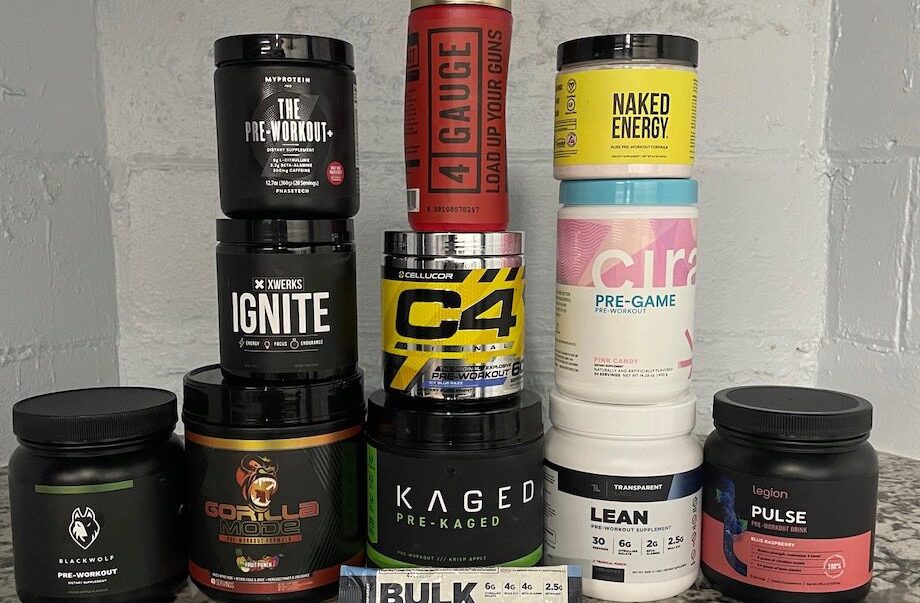
When evaluating the cost-benefit analysis of pre-workout supplements, one must move beyond the price per tub. The true cost of a supplement is measured by its efficacy per serving. Many budget-friendly options are loaded with fillers, proprietary blends that hide underdosed ingredients, and artificial stimulants that provide a short-term “jitters” spike followed by an expensive crash.
Cost-Per-Serving vs. Quality Ingredients
A high-quality pre-workout should be viewed as an investment in your training capacity. A product that costs $60 for 30 servings ($2.00 per workout) may initially seem expensive compared to a $30 tub that promises 60 servings ($0.50 per workout). However, if the cheaper option lacks clinically effective doses of key compounds like L-Citrulline or Beta-Alanine, you are essentially paying $0.50 for a cup of caffeine that could be replicated by a $0.05 cup of coffee. When you analyze your spending, prioritize products that list ingredient amounts clearly on the label. Transparency is the most reliable indicator of a brand’s commitment to value.
Avoiding the “Proprietary Blend” Trap
In the world of finance, transparency is required for investor trust. In the supplement industry, “proprietary blends” are the equivalent of opaque financial instruments. Manufacturers use these to hide the fact that their formula contains mostly cheap caffeine while underdosing the expensive, performance-enhancing ingredients. If a label does not explicitly state the dosage of every active compound, you are effectively gambling with your money. Smart consumers demand “fully disclosed labels,” where every gram is accounted for, ensuring that your financial capital is actually purchasing the performance fuel you intended to buy.
Evaluating Key Ingredients for Performance and Value
To ensure you aren’t wasting capital on marketing hype, you must understand the “blue-chip stocks” of the supplement world—ingredients that have been scientifically validated to provide a return on investment for your athletic performance.
Essential Compounds for Blood Flow and Endurance
The foundation of a good pre-workout lies in ingredients that improve circulation and muscular endurance. L-Citrulline (or L-Citrulline Malate) is widely considered the gold standard for vasodilation. It increases nitric oxide levels, leading to better “pumps” and improved nutrient delivery to working muscles. When reviewing labels, look for a dose between 6,000mg and 8,000mg. If you find a product with a significant amount of L-Citrulline, you are paying for actual physiological enhancement rather than just a quick stimulant hit.
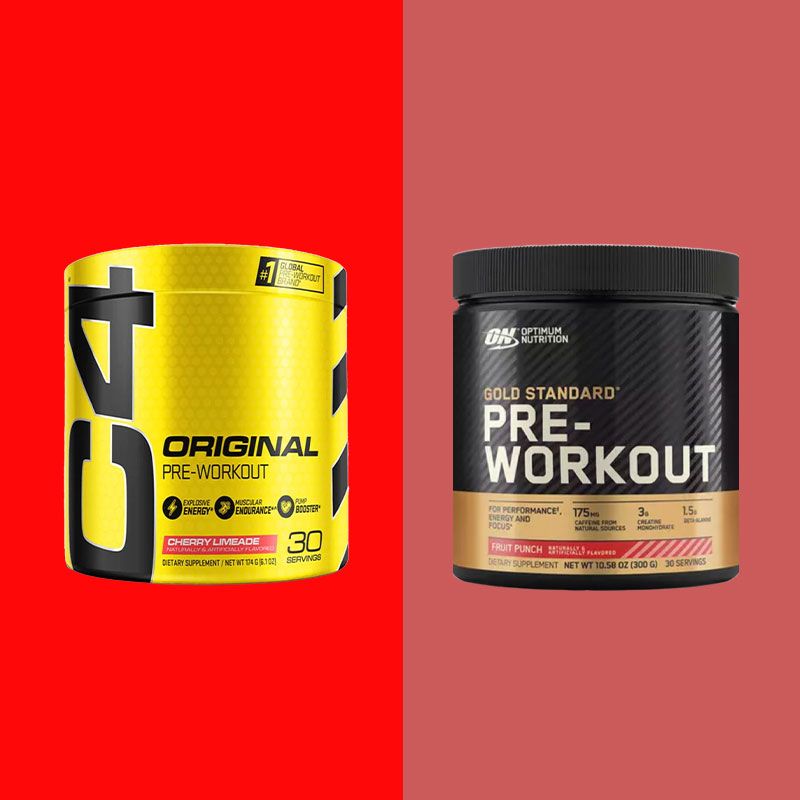
Beta-Alanine is another essential asset. It acts as an intracellular buffer, helping to delay the onset of lactic acid buildup. It is the ingredient responsible for the harmless “tingling” sensation, but more importantly, it allows for more reps at higher intensities. From a wealth-building perspective, the more work you can perform in a single session, the greater the adaptation to your training, which compounds over time to deliver long-term results.
The Stimulant Market: Understanding Caffeine Efficiency
Caffeine is the primary active ingredient in almost every pre-workout, and for good reason: it is the most well-researched ergogenic aid on the market. However, there is a point of diminishing returns. Many products push the limit with 400mg or more of caffeine per scoop. This is often a marketing tactic to make the product feel “stronger” than it actually is.
From a physiological and financial standpoint, it is often better to seek products with moderate caffeine levels (200mg–300mg) combined with focus-enhancing nootropics like L-Theanine or Alpha-GPC. L-Theanine, in particular, is an excellent financial trade; it mitigates the anxiety and jittery effects of caffeine while sharpening cognitive focus. By optimizing your stimulant intake, you avoid the productivity-killing “crash,” allowing you to remain effective in your professional life after you leave the gym.
Long-Term Asset Management: Health and Lifestyle Integration
Investing in pre-workout supplements is only one part of your broader health strategy. Just as you wouldn’t put all your savings into a single high-risk stock, you should not rely on supplements to fix a poor foundation of sleep, nutrition, and stress management.
The Opportunity Cost of Poor Recovery
If you use pre-workout stimulants to override chronic fatigue, you are essentially borrowing energy from the future. Constant reliance on heavy stimulants can lead to adrenal fatigue and a degradation of sleep quality. Sleep is your most important recovery asset. If your pre-workout consumption forces you to stay awake at night, you are sacrificing your primary vehicle for muscle growth and cognitive repair. A high-quality pre-workout should be used to amplify performance, not to compensate for a lack of discipline in your sleep schedule.
Strategic Supplement Cycling
Even the best investments lose their edge if they are left sitting for too long or over-utilized. The human body is remarkably efficient at building tolerance to stimulants. To maintain the effectiveness of your pre-workout, consider “cycling” your intake. Taking a week or two off from high-stimulant products every three months prevents your body from developing a tolerance that requires ever-increasing dosages. This strategy saves you money by extending the life of your tub and keeps the supplements effective, ensuring you get the maximum value for every dollar spent.

Conclusion: Making the Right Purchase
Ultimately, a “good” pre-workout is one that aligns with your specific training goals while providing transparent value for your money. Look for brands that prioritize third-party testing, disclose their dosages, and include ingredients with clinical backing.
Treat your fitness budget with the same level of seriousness you apply to your financial portfolio. Avoid the temptation of “flashy” marketing and focus on the fundamentals: proper dosing of proven ingredients, stimulant management that protects your long-term health, and an understanding that supplements are merely a multiplier of your hard work, not a replacement for it. By taking a professional, analytical approach to your supplement purchases, you ensure that every workout is backed by the fuel necessary to deliver the best possible results. When you manage your fitness resources with precision, your health becomes a compounding asset that pays dividends for years to come.
aViewFromTheCave is a participant in the Amazon Services LLC Associates Program, an affiliate advertising program designed to provide a means for sites to earn advertising fees by advertising and linking to Amazon.com. Amazon, the Amazon logo, AmazonSupply, and the AmazonSupply logo are trademarks of Amazon.com, Inc. or its affiliates. As an Amazon Associate we earn affiliate commissions from qualifying purchases.