
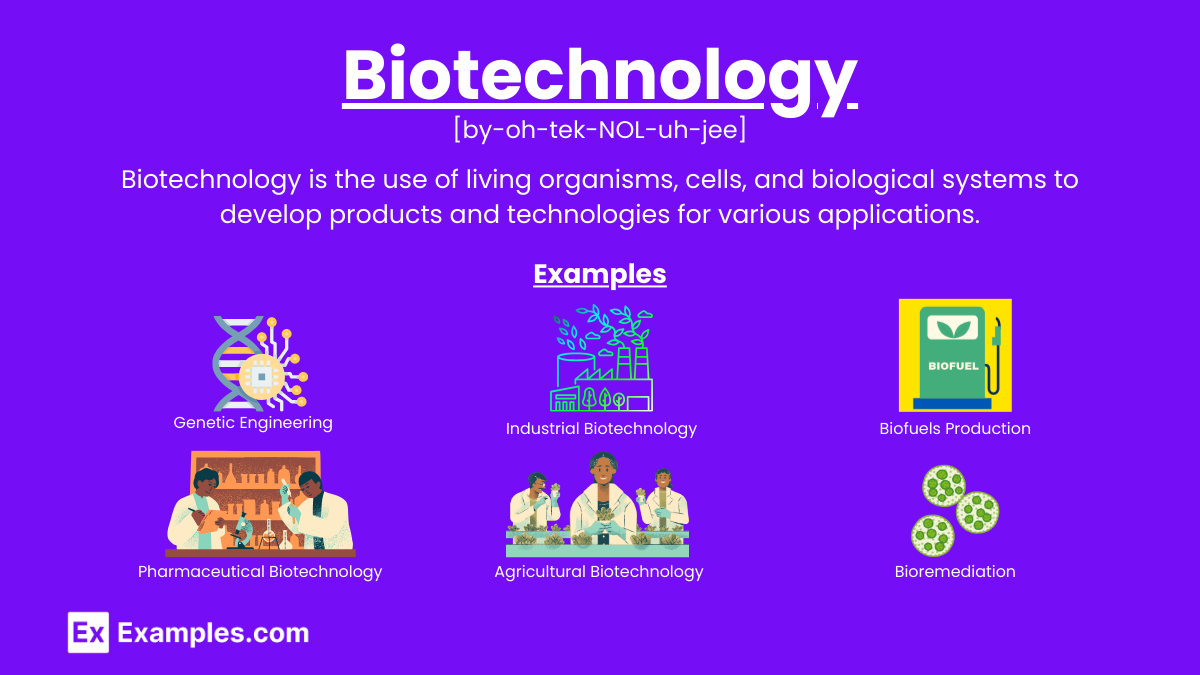
Biotechnology represents the convergence of biological science and technological innovation. It is the practice of harnessing cellular and biomolecular processes to develop technologies and products that help improve our lives and the health of our planet. While often associated with futuristic concepts, biotechnology is already deeply embedded in our daily infrastructure, from the medicine in our cabinets to the fuel in our vehicles and the crops in our fields.
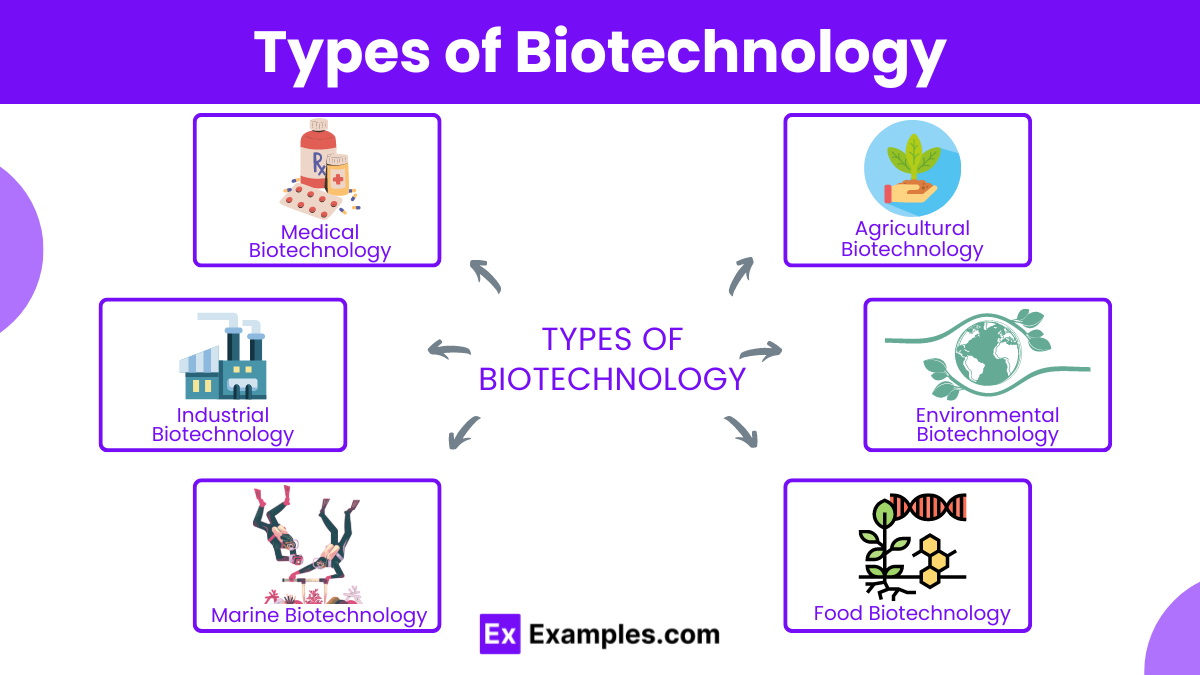
To understand the scope of this field, it is helpful to view it through its functional categories: medical, agricultural, industrial, and environmental biotechnology. Each sector leverages the fundamental code of life—DNA—to engineer solutions for some of humanity’s most pressing challenges.
Medical Biotechnology: The Frontier of Personalized Healthcare
Medical biotechnology is perhaps the most visible application of the field. It focuses on the diagnosis, treatment, and prevention of diseases by manipulating biological systems at the molecular level.
Gene Therapy and CRISPR
Perhaps the most revolutionary advancement in recent years is the development of gene-editing tools like CRISPR-Cas9. This technology acts as “molecular scissors,” allowing scientists to cut and paste segments of DNA. In practice, this means we can potentially correct genetic defects at the source. For patients suffering from hereditary conditions like sickle cell anemia or certain types of inherited blindness, gene therapy offers a path toward a functional cure rather than mere symptom management. By editing the genes responsible for a disease, medical biotechnology is shifting the paradigm from reactive treatment to proactive genetic correction.
Biopharmaceuticals and Monoclonal Antibodies
Traditional pharmaceuticals are synthesized through chemical reactions. Biopharmaceuticals, however, are manufactured using living organisms, such as yeast, bacteria, or mammalian cells. Monoclonal antibodies are a prime example. These are lab-produced molecules engineered to serve as substitute antibodies that can restore, enhance, or mimic the immune system’s attack on cells. They have become the gold standard in treating complex cancers and autoimmune diseases, allowing for highly targeted therapies that reduce the damage to healthy cells that occurs with traditional chemotherapy.
Agricultural Biotechnology: Engineering the Global Food Supply
As the global population approaches eight billion, the agricultural sector faces the dual pressure of increasing yields while minimizing environmental impact. Biotechnology provides the tools to enhance crops without relying solely on expanding land use.
Genetically Modified Organisms (GMOs)
Agricultural biotechnology involves the insertion of specific genes into plant genomes to confer desirable traits. This is not a new concept; selective breeding has been practiced for millennia. Modern biotechnology, however, accelerates this process with surgical precision. By introducing genes that provide natural resistance to pests, crops like Bt corn reduce the need for synthetic chemical pesticides. Other modifications focus on bio-fortification—such as “Golden Rice,” which is engineered to contain higher levels of Vitamin A to combat malnutrition in developing regions.
Drought and Salinity Resistance
Climate change poses an existential threat to food security through unpredictable weather patterns and soil degradation. Biotech researchers are currently working on developing drought-tolerant crop varieties that can maintain productivity even with limited water availability. By understanding the genetic markers associated with stress tolerance in wild plant species, scientists can transfer these traits to staple crops like wheat, rice, and soy. This ensures that agricultural output remains stable even as environmental conditions become increasingly volatile.
Industrial and Environmental Biotechnology: Sustainable Manufacturing
Industrial biotechnology, often referred to as “white biotechnology,” applies biological processes to the production and processing of chemicals, materials, and energy. It aims to replace energy-intensive, fossil-fuel-based manufacturing with processes that are cleaner, more efficient, and often carbon-neutral.
Biofuels and Bioenergy
The search for sustainable energy alternatives has led to the development of advanced biofuels. Unlike first-generation biofuels that relied heavily on food crops, modern industrial biotech focuses on using biomass—such as agricultural waste, algae, and specialized grasses—to produce ethanol, biodiesel, and bio-jet fuel. Through the use of engineered enzymes, we can break down complex plant cellulose into fermentable sugars, converting trash into high-energy fuel. This cycle keeps carbon within the biosphere rather than releasing ancient, sequestered carbon from fossil fuels into the atmosphere.
Bioplastics and Bio-based Materials
The plastic crisis has spurred innovation in material science. Biotechnology is enabling the creation of bioplastics derived from renewable biological sources rather than petroleum. Scientists are utilizing microbes to produce polymers like polyhydroxyalkanoates (PHA), which are fully biodegradable. By programming bacteria to act as living factories, companies can “grow” materials that possess the durability of traditional plastics but decompose safely in composting environments, effectively closing the loop in the circular economy.
Bioremediation: Healing the Earth
Environmental biotechnology, or “green biotechnology,” is the use of living organisms to clean up contaminated environments. This includes the use of specialized bacteria that “eat” oil spills in the ocean or microbes designed to break down heavy metals in industrial soil. Bioremediation is a cost-effective and ecologically sound method of restorative technology. It leverages the metabolic capabilities of microbes to neutralize toxins, turning polluted zones back into productive, healthy ecosystems without the need for destructive mechanical excavation.
The Future Trajectory: Synthetic Biology and Beyond
The current state of biotechnology is merely a precursor to the emergence of synthetic biology. This field takes the manipulation of life to the next level by designing and constructing new biological parts, devices, and systems that do not exist in the natural world.
Designing Life from Scratch
Synthetic biology moves beyond editing existing organisms to “writing” new genetic code. Imagine bacteria engineered to produce high-value pharmaceutical ingredients, specialized biosensors that change color when they detect environmental toxins in real-time, or synthetic tissues grown in labs to test new drugs without the need for animal models.
The Convergence with AI and Data Science
The rapid advancement of biotechnology is inextricably linked to the rise of Big Data and Artificial Intelligence. Protein folding, a process that determines how proteins function, was once a decades-long research challenge. Today, AI models can predict the structure of nearly every known protein in a matter of hours. This marriage of digital technology and biological research is drastically shortening the research and development cycle, allowing for breakthroughs that would have taken generations to achieve under traditional experimental models.
Ethical Considerations and the Regulatory Landscape
As our capability to manipulate the building blocks of life grows, so too does the need for robust ethical frameworks. The potential for unintended ecological consequences or the misuse of genetic information necessitates a global conversation about governance. Biotechnology is a tool of immense power, and like all powerful technologies, it requires responsible oversight to ensure that innovation benefits humanity as a whole while mitigating risks to biological diversity and individual privacy.

Conclusion
Biotechnology is no longer a distant or speculative concept; it is the engine of modern progress. By looking at these examples—from the personalized precision of gene therapy to the environmental restoration provided by bioremediation—it is clear that the integration of biology and technology is the definitive frontier of our era. As we continue to refine these tools, we move closer to a future where our industrial, medical, and agricultural systems are not just efficient, but fundamentally aligned with the biological realities of our world. The ability to understand, utilize, and eventually design biological processes is perhaps the most significant technological leap we have ever undertaken, promising to reshape every facet of human experience for the better.
aViewFromTheCave is a participant in the Amazon Services LLC Associates Program, an affiliate advertising program designed to provide a means for sites to earn advertising fees by advertising and linking to Amazon.com. Amazon, the Amazon logo, AmazonSupply, and the AmazonSupply logo are trademarks of Amazon.com, Inc. or its affiliates. As an Amazon Associate we earn affiliate commissions from qualifying purchases.