
The Magic Kingdom is more than just a collection of rides; it is a meticulously engineered landscape of interactive experiences, guest flow management, and immersive storytelling. From an operational perspective, the park serves as a masterclass in spatial design and capacity management. For the astute visitor, understanding the taxonomy of attractions—ranging from high-capacity dark rides to intricate stage shows—is essential for optimizing time and experience. By categorizing these attractions through the lens of infrastructure and guest engagement, we can better understand the architecture of the world’s most visited theme park.
The Architecture of Narrative: Dark Rides and Immersive Environments
The heart of the Magic Kingdom lies in its dark rides—attractions that utilize advanced kinetic transport systems to move guests through controlled, narrative-heavy environments. These experiences are the gold standard for “theming,” where the physical environment is designed to manipulate sensory input to create a suspension of disbelief.
Traditional Dark Rides
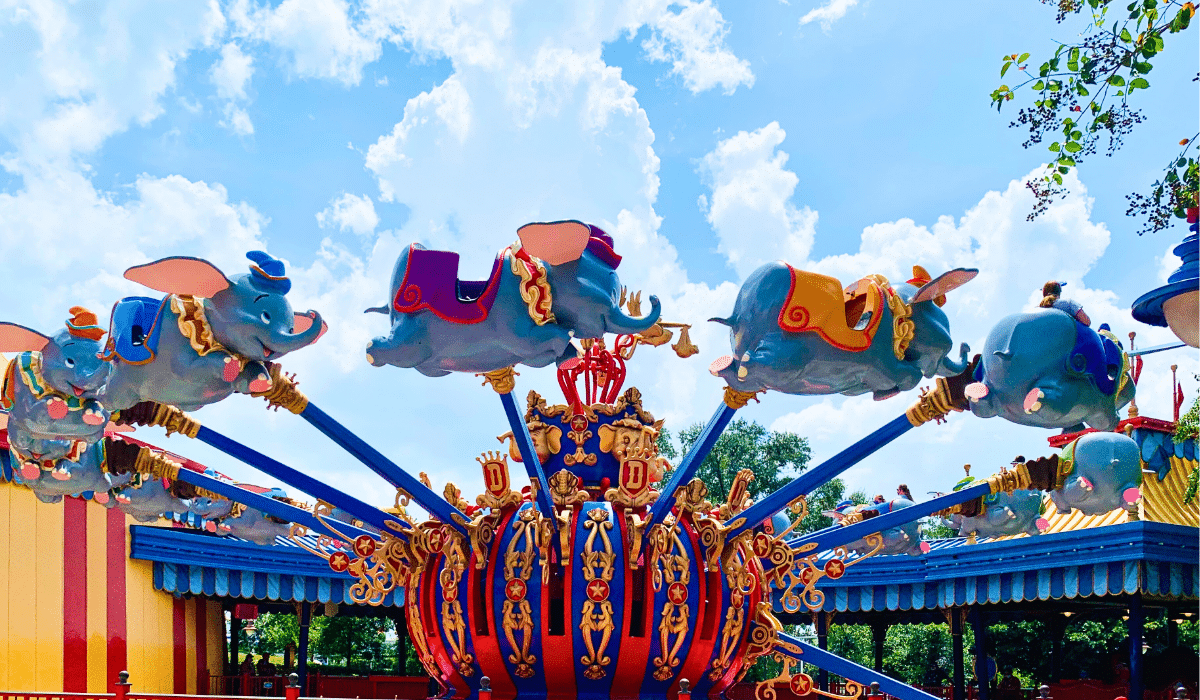
These attractions utilize an omnimover system, a continuous-loop transport method that ensures constant throughput. Classic examples include Peter Pan’s Flight, The Haunted Mansion, and The Many Adventures of Winnie the Pooh. These rides are designed for high-frequency cycling, allowing for significant hourly guest capacity, which is vital for managing the logistics of the park. The brilliance of these rides lies in their use of forced perspective and animatronic synchronization, which effectively masks the mechanical nature of the ride vehicles.
Motion-Based and Interactive Systems
Advancing beyond the omnimover, attractions like Buzz Lightyear’s Space Ranger Spin incorporate gamification mechanics. By integrating infrared sensors and scoring algorithms, these rides transform the passive passenger experience into an active, competitive one. This shift toward interactivity is a key trend in modern entertainment, as it increases the “re-playability” of the experience, encouraging guests to return in an attempt to improve their performance metrics.
High-Velocity Engineering: Roller Coasters and Thrill Infrastructure
While dark rides focus on narrative, the park’s thrill rides focus on physical sensation and mechanical engineering. These attractions represent the high-stakes investment category of the park, designed to deliver adrenaline-inducing experiences while maintaining the highest safety standards in the global entertainment industry.
The Mountain Range and Kinetic Energy
The iconic “Mountain” trio—Space Mountain, Big Thunder Mountain Railroad, and Seven Dwarfs Mine Train—serves as the anchor for the park’s thrill-seeking demographic. Space Mountain, in particular, is a testament to sensory deprivation design. By operating entirely in the dark, the ride manipulates the passenger’s sense of orientation, making the physical track feel more intense than it is at lower speeds.
Big Thunder Mountain focuses on external environmental design, utilizing a “runaway train” narrative that synchronizes high-speed movement with complex, man-made desert scenery. Meanwhile, the Seven Dwarfs Mine Train introduces a proprietary swinging-chassis design. This engineering innovation allows each car to pivot independently, creating a unique oscillation effect that differs significantly from traditional fixed-chassis roller coasters.
Launch and Kinetic Innovation
The most recent addition to the park, TRON Lightcycle / Run, utilizes a high-speed launch mechanism. This represents the pinnacle of current thrill ride technology in the park, focusing on acceleration and aesthetic immersion. Unlike the classic mountain coasters, TRON uses a bike-style seating position, which alters the guest’s center of gravity and increases the sensation of speed, marking a significant evolution in how physical thrills are packaged for the modern visitor.
Capacity Management: The Role of Stage Shows and Transit Attractions
Not all attractions in the Magic Kingdom are high-speed thrills or narrative dark rides. A significant portion of the park’s capacity is managed through massive-scale theater experiences and transit-style attractions. These are essential for the park’s overall “load balance,” as they can absorb hundreds of guests at a time, providing a necessary relief valve for the congestion found in the higher-traffic zones.
Large-Scale Theater Productions
Walt Disney’s Carousel of Progress and The Hall of Presidents function as “low-intensity, high-capacity” attractions. These experiences use mechanical auditoriums that rotate around a central stage, or massive single-room theaters that provide guests with a seated, air-conditioned respite. From an operational efficiency standpoint, these shows are vital. They allow the park to move large crowds off the walkways and into controlled environments, effectively managing the “dwell time” of guests throughout the afternoon peak hours.
Transit-Style Attractions
The Walt Disney World Railroad and the Tomorrowland Transit Authority PeopleMover are unique in that they serve a dual purpose: they are attractions, but they are also utility-grade infrastructure. The PeopleMover is an engineering marvel that uses linear induction motors to propel vehicles silently throughout Tomorrowland. It provides a “bird’s-eye” view of the park, acting as a low-impact, high-volume transit system that helps mitigate the fatigue associated with walking long distances across such a massive geographic footprint.
The Future of Experience: Integration and Maintenance
Looking forward, the evolution of Magic Kingdom attractions is defined by the integration of digital layers over physical assets. As technology trends move toward augmented reality and hyper-personalized guest data, the attractions of the future will likely blend the physical infrastructure we see today with digital interfaces that customize the narrative based on the guest’s previous interactions within the ecosystem.
Maintenance and Asset Lifecycle
Maintaining these attractions requires an incredible logistics chain. The park operates on a 24-hour maintenance cycle, where attractions are audited for mechanical wear, software stability, and aesthetic integrity. The longevity of an attraction like It’s a Small World or Pirates of the Caribbean is not accidental; it is the result of a rigorous asset-management strategy that prioritizes the refurbishment of physical sets while updating the underlying mechanical systems that run them.

Data-Driven Experience
The integration of digital ticketing and wait-time tracking systems allows the park to influence guest behavior, directing traffic away from high-density attractions toward those with lower wait times. This dynamic load-balancing is the unseen backbone of the Magic Kingdom. It is why the experience feels seamless despite the tens of thousands of individuals moving through the space simultaneously.
By analyzing the attractions not just as rides, but as a complex network of throughput, mechanical engineering, and psychological design, we gain a deeper appreciation for the Magic Kingdom. It remains the gold standard in operational design, setting the bar for how large-scale venues manage human experience, safety, and engagement in a way that feels inherently magical to the guest, yet profoundly logical to the engineer. Whether it is the subtle calibration of a roller coaster track or the precise timing of a stage show’s animatronics, the magic is, at its core, a triumph of professional design and operational excellence.
aViewFromTheCave is a participant in the Amazon Services LLC Associates Program, an affiliate advertising program designed to provide a means for sites to earn advertising fees by advertising and linking to Amazon.com. Amazon, the Amazon logo, AmazonSupply, and the AmazonSupply logo are trademarks of Amazon.com, Inc. or its affiliates. As an Amazon Associate we earn affiliate commissions from qualifying purchases.