
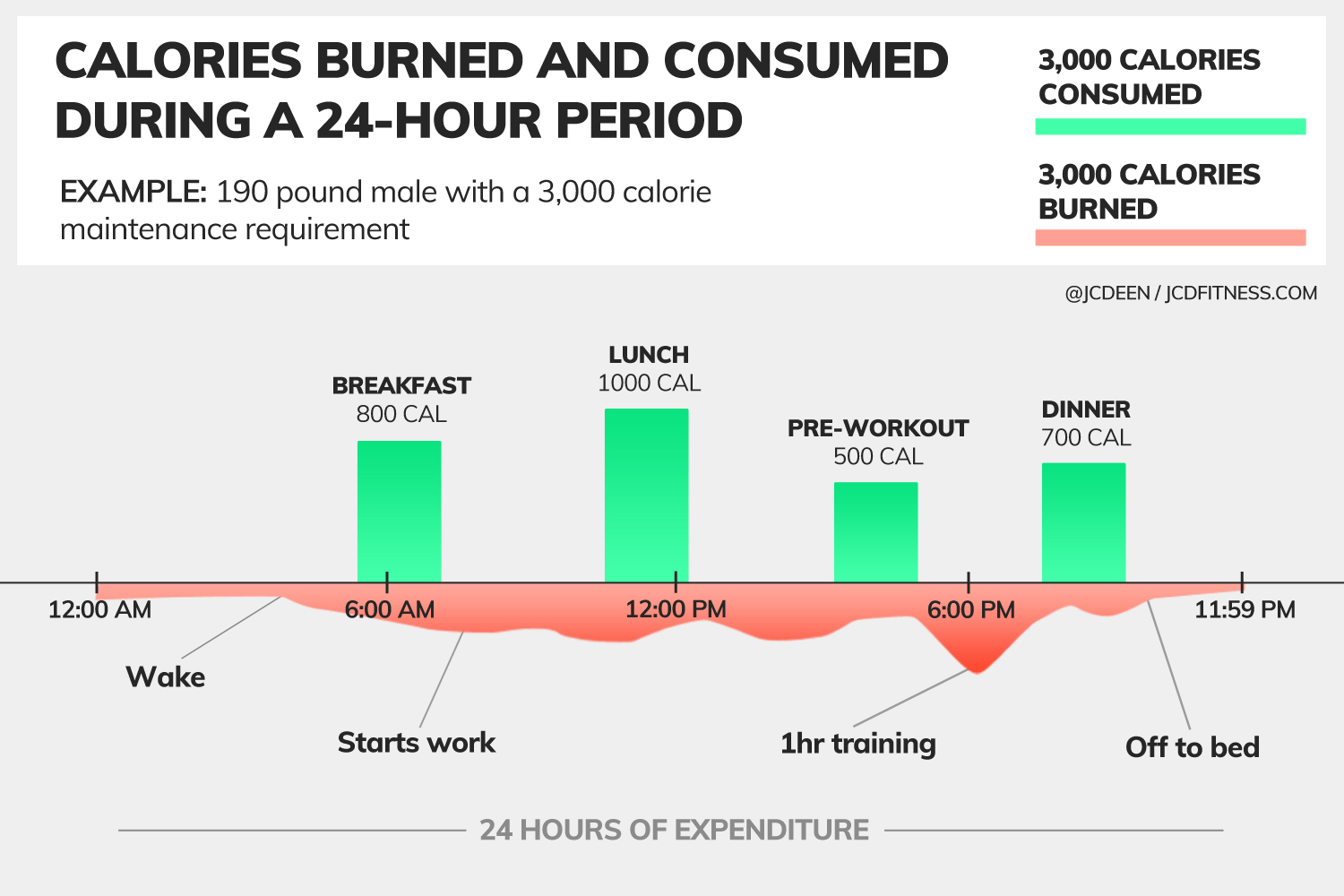
Understanding your maintenance calories—often referred to as your Total Daily Energy Expenditure (TDEE)—is the cornerstone of long-term weight management and metabolic health. In the world of personal finance, your maintenance calories are effectively your “break-even point.” Just as a business must calculate its burn rate to ensure it remains solvent, you must understand your caloric output to ensure your body composition remains stable. When you consume exactly what you burn, you are operating at caloric neutrality.
For many, the desire to find this number is driven by a search for equilibrium. It is the point where you neither gain nor lose weight, allowing you to sustain your current physique indefinitely. However, arriving at this number is rarely as simple as looking at a single calculator. It requires a blend of data collection, iterative testing, and an understanding of the physiological variables that drive energy metabolism.
The Components of Total Daily Energy Expenditure (TDEE)
To effectively calculate your maintenance calories, you must first understand the four primary drivers of energy expenditure. Your TDEE is not a static number; it is a dynamic sum of internal and external processes.
Basal Metabolic Rate (BMR)
Your BMR constitutes the largest share of your daily caloric burn—typically 60% to 75%. This represents the energy your body requires to maintain vital functions while at rest, such as respiration, circulation, and cellular repair. If you were to stay in bed for 24 hours without moving a muscle, your body would still consume this baseline amount of energy.
Thermic Effect of Food (TEF)
Digestion is an energy-intensive process. Every time you consume nutrients, your body burns energy to break them down, absorb them, and store them. Protein has the highest thermic effect, requiring significantly more energy to process than fats or carbohydrates. While often overlooked, TEF accounts for approximately 10% of your daily burn.
Non-Exercise Activity Thermogenesis (NEAT)
NEAT is arguably the most variable component of your TDEE. It includes all movement that is not intentional, structured exercise. This includes fidgeting, walking to your car, typing, standing, and cleaning. Two individuals with the same height, weight, and age can have vastly different maintenance calories simply because one person has a more active job or a tendency to move more throughout the day.
Exercise Activity Thermogenesis (EAT)
This is the energy expended through intentional, structured physical activity, such as weightlifting, running, or cycling. While EAT is critical for health and body composition, it is frequently overestimated by fitness trackers and gym equipment.
Determining Your Baseline Through Mathematical Estimation
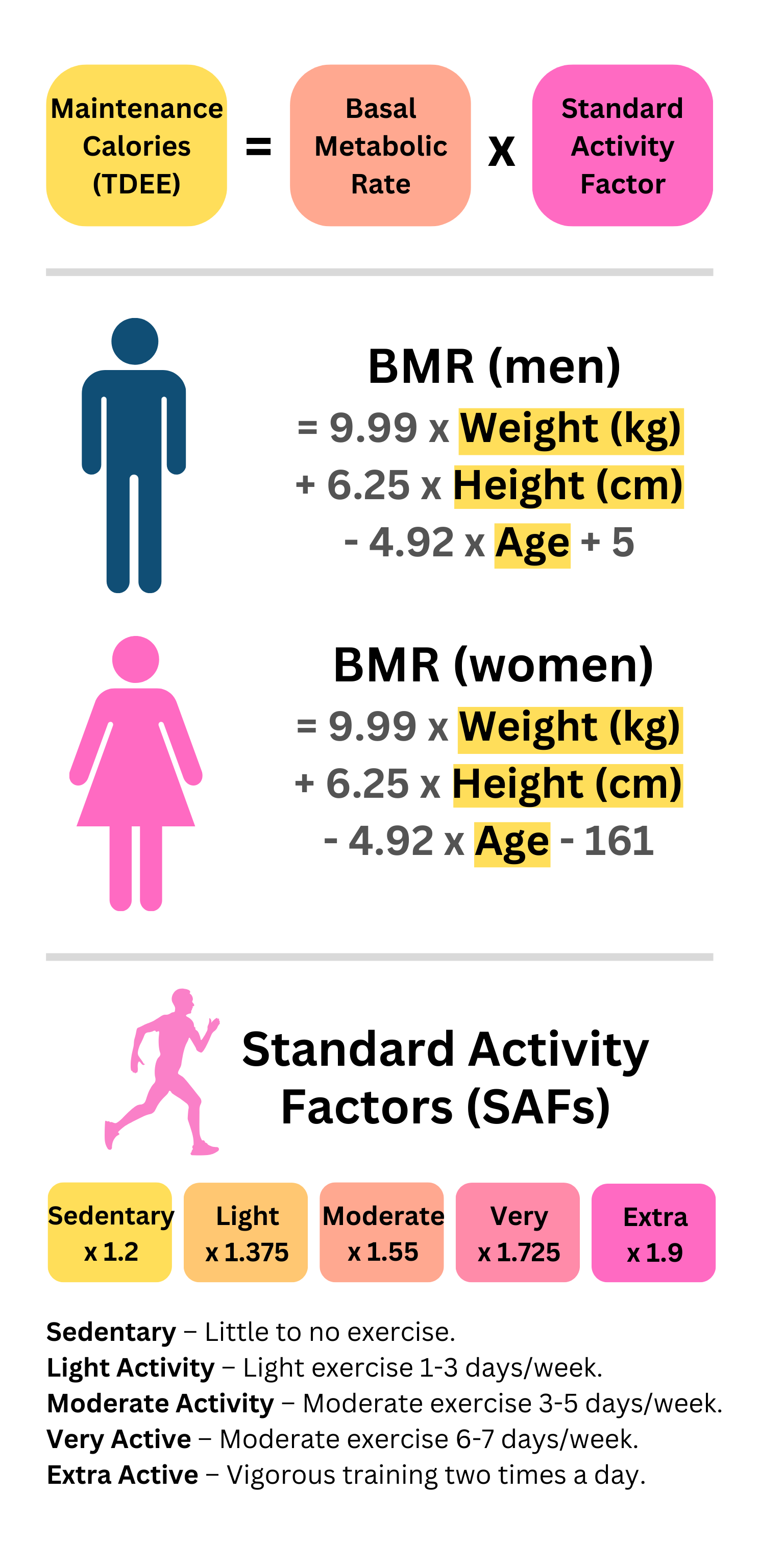
While precision is the goal, most people begin with an educated guess. Several mathematical formulas—such as the Mifflin-St Jeor equation—have been developed to estimate BMR based on height, weight, age, and sex.
The Standard Estimation Process
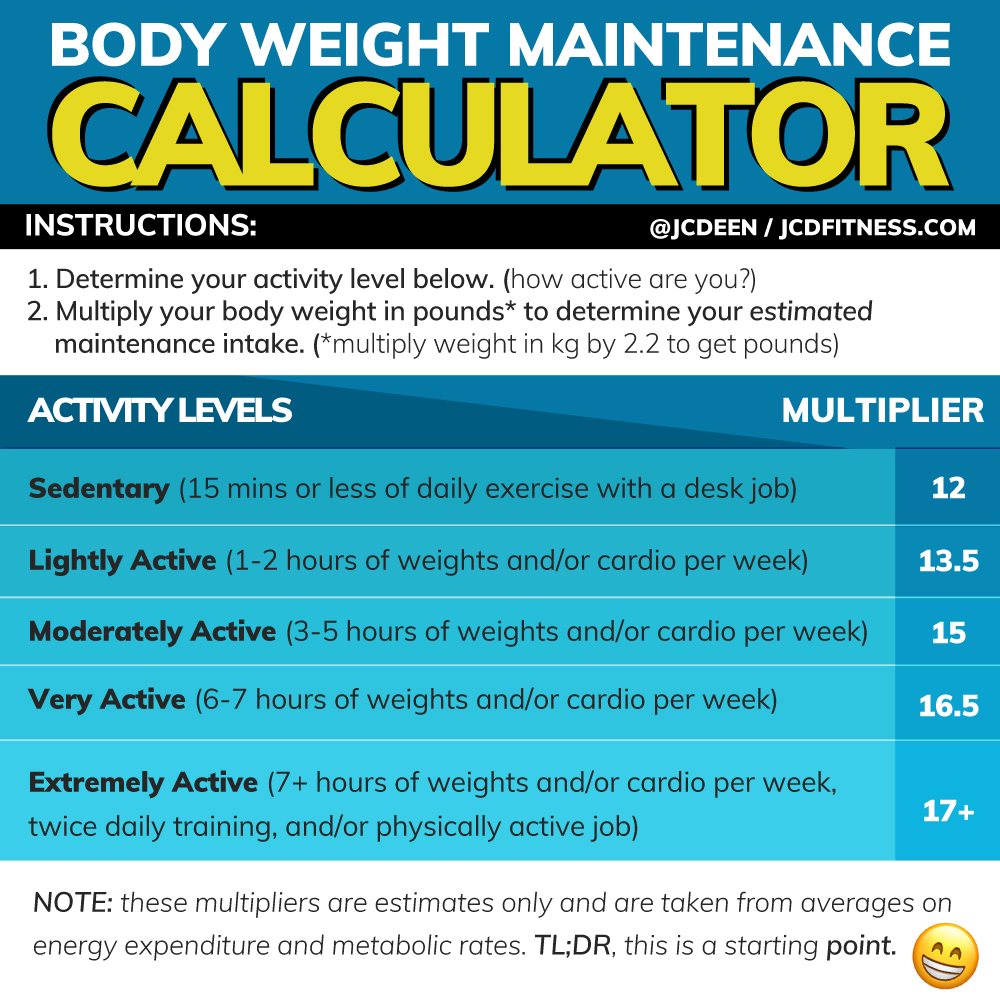
To estimate your maintenance calories, you first calculate your BMR using a validated formula. Once you have this baseline, you apply an “activity multiplier.” This multiplier ranges from 1.2 for sedentary individuals to 1.9 for elite athletes training twice daily.
The danger here lies in the “overestimation trap.” Most people perceive themselves as more active than they actually are. If you work a desk job but go to the gym for one hour a day, you are likely “lightly active” (multiplier ~1.375) rather than “moderately active” (multiplier ~1.55). By overestimating your activity level, you may accidentally set a “maintenance” calorie target that actually puts you in a surplus, leading to gradual, unintended weight gain.
Why Formulas Are Merely Starting Points
Calculators are not fortune tellers; they are statistical models based on averages. They do not account for individual variations in muscle mass, hormonal health, gut microbiome efficiency, or metabolic adaptation. If your calculated maintenance level is 2,500 calories but you find your weight is creeping up after two weeks, the formula provided a roadmap, but your body provided the final data.
The Iterative Approach: The Gold Standard for Precision
Because mathematical formulas are inherently flawed due to individual biological variance, the only way to truly know your maintenance calories is through the process of tracking and adjustment. This is where the concept of “metabolic bookkeeping” comes into play.
The Two-Week Tracking Phase
Begin by tracking your daily caloric intake with extreme precision for 14 days. During this time, do not attempt to lose or gain weight; simply eat what you believe to be your maintenance level. It is vital to use a food scale during this phase, as human error in estimating portion sizes is the primary reason people fail to find their true maintenance number.
Analyzing the Data
At the end of the two weeks, look at your average daily caloric intake and your average weight.
- If your weight remained stable: Congratulations, you have successfully identified your maintenance caloric intake.
- If your weight increased: You are currently in a caloric surplus. Subtract 100–200 calories from your daily average and track for another two weeks.
- If your weight decreased: You are in a caloric deficit. Add 100–200 calories to your daily average and track for another two weeks.
This iterative process accounts for all the variables that calculators miss. It integrates your unique NEAT, your specific BMR, and the actual thermic effect of the food you habitually consume.
Managing Variables That Affect Maintenance
Maintenance calories are not a fixed point on a compass; they fluctuate based on lifestyle changes and physiological shifts. Understanding these variables allows you to adjust your strategy proactively rather than reacting to unexpected scale changes.
Metabolic Adaptation and Reverse Dieting
If you have spent months in a significant caloric deficit, your metabolism may have slowed down. Your body becomes more efficient at utilizing energy to ensure survival, a phenomenon known as metabolic adaptation. In this state, your maintenance calories may be lower than they were before you started your diet. To return to a healthy maintenance level, you may need to implement a “reverse diet,” slowly increasing your calories over time to prime your metabolism to handle more energy without rapid fat gain.
The Impact of Lifestyle Shifts
A major change in your daily routine—such as switching from an office job to a manual labor position, or transitioning from a sedentary lifestyle to a training-heavy block—will instantly change your maintenance requirements. Do not cling to a number that was calculated during a different phase of your life. If your activity levels shift, treat it as a new “reset” period. Recalculate your baseline, monitor your weight for two weeks, and adjust accordingly.
The Psychological Aspect of Maintenance
The greatest hurdle in maintaining weight is often psychological. Humans are prone to “calorie creep.” We tend to be diligent for the first few weeks of tracking, but over time, we begin to “eyeball” portion sizes, underestimate snacks, and overlook the liquid calories in dressings or beverages.
True maintenance requires the discipline to maintain consistent habits. If you find that your maintenance calories are lower than you would like, you generally have two choices: increase your activity (NEAT) to raise your TDEE, or adjust your food choices to focus on high-volume, lower-calorie foods that provide satiety without exceeding your energy requirements.
Ultimately, identifying your maintenance calories is a journey of self-discovery. By treating your caloric intake with the same analytical rigor as a professional investor monitors their portfolio, you move away from guesswork and toward total control. You stop relying on generic internet calculators and start relying on the objective data provided by your own body. Once you master this process, you no longer need to fear weight fluctuations, as you possess the knowledge to stabilize your energy balance with precision.
aViewFromTheCave is a participant in the Amazon Services LLC Associates Program, an affiliate advertising program designed to provide a means for sites to earn advertising fees by advertising and linking to Amazon.com. Amazon, the Amazon logo, AmazonSupply, and the AmazonSupply logo are trademarks of Amazon.com, Inc. or its affiliates. As an Amazon Associate we earn affiliate commissions from qualifying purchases.