
When evaluating a vehicle purchase, understanding its precise manufacturing year is the foundation of every financial decision. Whether you are navigating the complexities of the secondary market, analyzing depreciation curves for an investment portfolio, or simply conducting due diligence on a potential flip, the year of a car dictates its residual value, insurance premiums, and maintenance liability. In the world of automotive commerce, information asymmetry is the primary enemy of profit. Knowing exactly how to determine a vehicle’s age through its physical and digital identifiers is a prerequisite for any savvy buyer or investor.
Decoding the Vehicle Identification Number (VIN)
The most definitive method for establishing a car’s age lies in its Vehicle Identification Number (VIN). This seventeen-character string is the global standard for tracking a vehicle’s lifecycle from the assembly line to the salvage yard. By deciphering this code, you strip away the guesswork often associated with unscrupulous sellers or misleading listings.
Understanding the Tenth Character
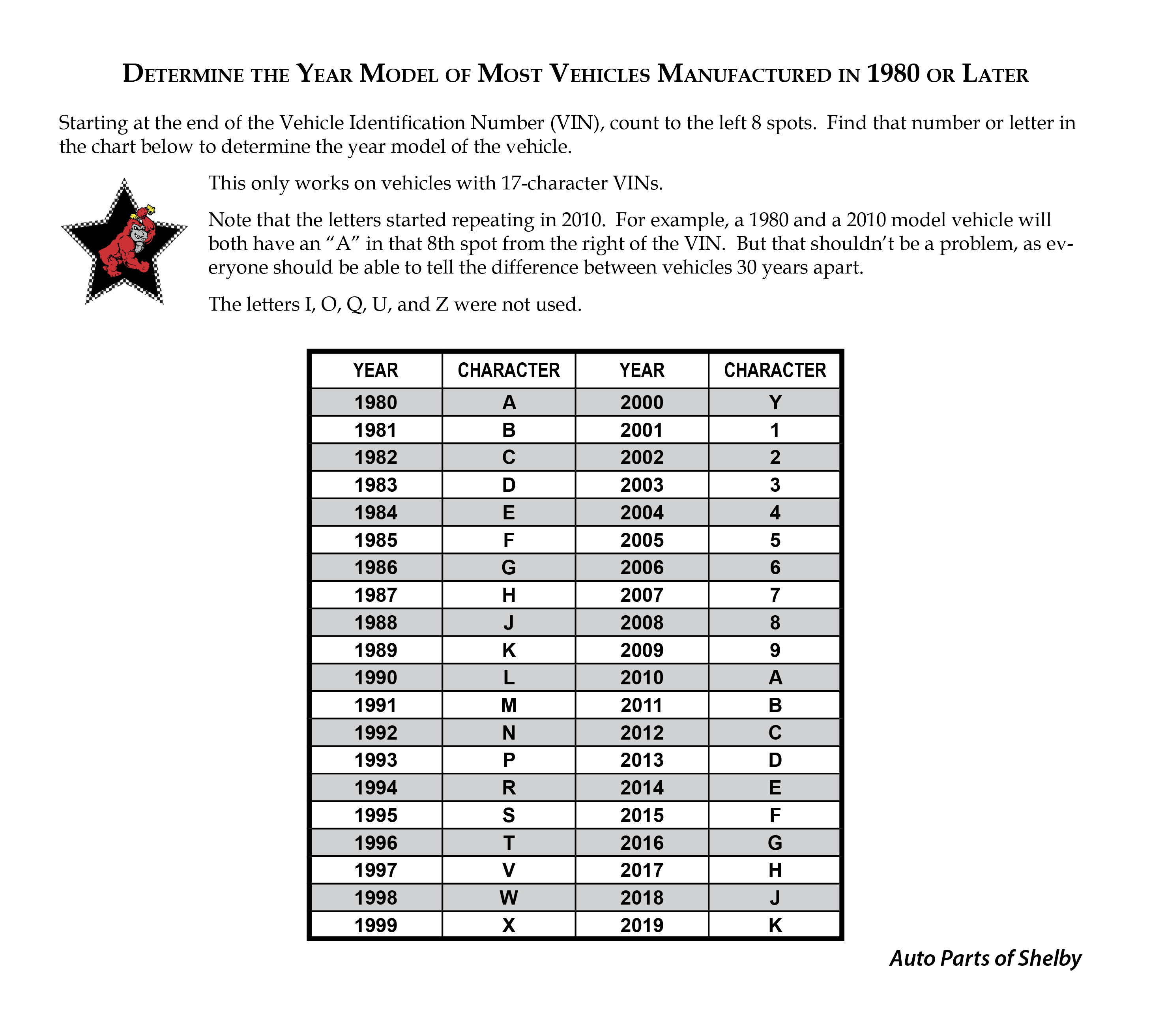
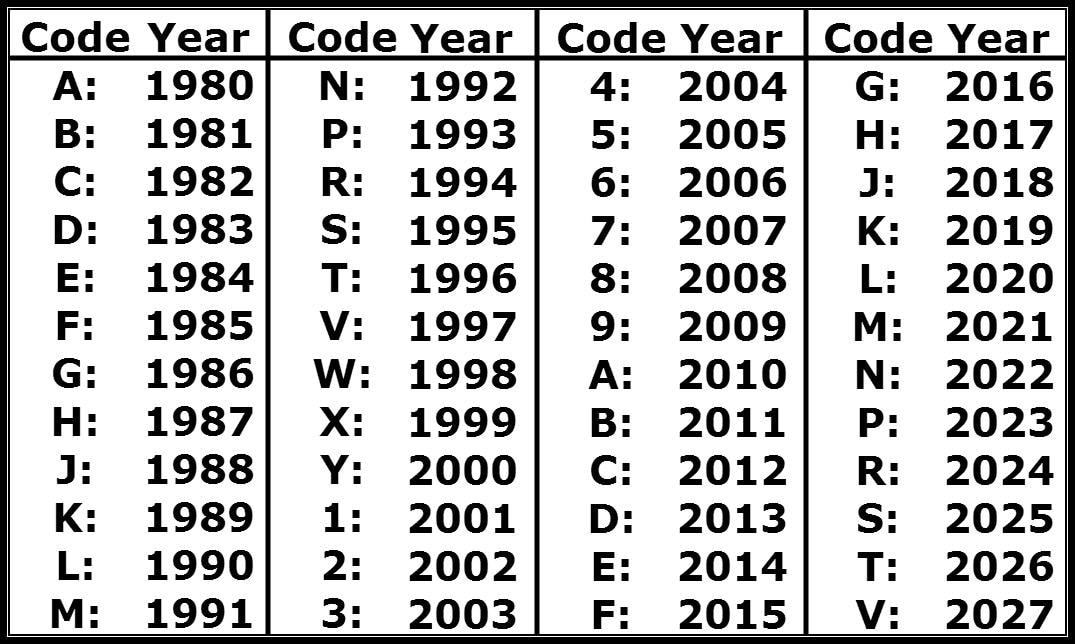
The magic of the VIN resides in the tenth character. Since 1981, when the National Highway Traffic Safety Administration (NHTSA) standardized the format in the United States, the tenth character has functioned as the definitive model year identifier. This character follows a specific pattern using both letters and numbers, excluding the letters I, O, and Q to avoid confusion with the numbers 1 and 0.
For instance, the letter ‘R’ indicates a 2024 model, while ‘P’ denotes 2023. This alphanumeric key is the primary source of truth. Relying on the title or the registration document alone can be risky, as errors in state-issued paperwork are common. When you run a VIN check, you are verifying the car’s pedigree against centralized databases, ensuring that the “year” you are paying for is the year that left the factory floor.
Cross-Referencing with Manufacturer Data
Beyond the tenth digit, the VIN contains the World Manufacturer Identifier (WMI) in the first three characters. This allows you to verify the origin and brand, which is crucial for cross-referencing with manufacturer-specific databases. High-end platforms like Carfax or AutoCheck utilize this data to provide a comprehensive history report. For the investor, this step is non-negotiable. If the model year specified in a sales listing differs from the data extracted via the VIN, it is an immediate red flag—either an administrative error or a deliberate attempt to misrepresent a vehicle’s age to artificially inflate its perceived value.
The Physical Indicators of Age and Lifecycle
While the VIN provides the official administrative record, physical inspection offers the “reality check.” In automotive finance, understanding the difference between the “model year” and the “manufacturing date” is vital. A car built in November 2022 might be sold as a 2023 model. Knowing how to locate the manufacturing placard provides clarity on the vehicle’s true temporal position in the market.
Locating the Manufacturing Date Plate
Every vehicle is equipped with a Federal Certification Label, usually found on the driver-side door jamb. This placard contains more than just tire pressure specifications; it explicitly lists the Month and Year of Manufacture. This distinction is important for high-value assets or classic cars where build dates can significantly impact collectibility and value. If a seller claims a car is a specific model year, but the door jamb plate suggests it was manufactured nearly eighteen months prior, you are looking at a vehicle with a different depreciation profile than initially assumed.

Assessing Wear as a Proxy for Age
Experienced buyers use physical wear as a secondary indicator to corroborate the stated year. While odometer fraud remains a persistent threat, the “patina” of a vehicle is difficult to mask entirely. Inspecting the degradation of non-replaceable components—such as the texture of the steering wheel leather, the clarity of the headlight housing, and the wear patterns on pedal pads—gives you a baseline for how a car has aged. If a five-year-old vehicle displays excessive environmental degradation or mechanical fatigue, it signals a high-intensity usage profile, which must be factored into your financial risk assessment.
Digital Tools and Data Integration for Asset Evaluation
In the modern automotive marketplace, manual inspection is only one piece of the puzzle. Leveraging digital tools allows for a deeper layer of validation that protects your capital. The democratization of vehicle history data has transformed how we perceive depreciation, turning car buying from a “buyer beware” environment into a data-driven investment strategy.
Using Online VIN Decoders
There are numerous professional-grade VIN decoders available that go beyond basic year identification. These platforms integrate with dealer networks and insurance databases to provide a snapshot of the vehicle’s life. When assessing the age of a car, these tools will also flag if the vehicle has been subject to “title washing”—a process where criminals hide the history of a vehicle, including its true age or status as a total loss. By using a reputable paid decoder, you ensure that the car’s year is verified by the OEM (Original Equipment Manufacturer), which is the only data point that counts for financing and insurance purposes.
The Role of Market Value Databases
Understanding a car’s year is inextricably linked to understanding its market value. Platforms like Kelley Blue Book, Edmunds, and Black Book utilize the VIN to provide exact valuations based on the year, trim, and configuration. For the investor, the “year” is the primary driver of the depreciation slope. A one-year difference can equate to thousands of dollars in value difference. By using these financial tools to cross-reference the model year against historical sales data, you can determine if a vehicle is priced correctly for its age or if there is an opportunity to negotiate based on market discrepancies.
Strategic Implications of Vehicle Age in Financial Planning
Finally, determining a car’s age is an essential component of total cost of ownership (TCO) calculations. When you view a vehicle as a financial asset rather than just a utility, every year represents a change in the cost of maintenance, insurance, and tax.
Depreciation and Investment Horizon
The age of a vehicle is the single most significant factor in its depreciation. The majority of a vehicle’s value is lost in the first three to five years. If you are purchasing a vehicle for the purpose of a side hustle—such as Turo rentals or delivery services—the age of the car determines its eligibility for platforms and its projected longevity. Buying a vehicle that is one year older than you anticipated could mean you are closer to the end of the “sweet spot” of low-maintenance ownership. Always verify the year through official documentation before signing any purchase agreements.
Insurance and Financing Impacts
Lenders and insurance providers utilize the model year to set interest rates and premiums. A car that is identified as a 2019 model rather than a 2020 model may be ineligible for certain financing rates or may fall into a different risk category for insurance purposes. Furthermore, if you are planning to flip a car, misidentifying the year can lead to significant losses. Listing a car as a newer year than it actually is can result in fraud claims and legal liability, while listing it as older can result in leaving substantial profit on the table.
In conclusion, identifying the year of a car is not merely a bureaucratic task; it is a critical step in a professional financial evaluation. By combining the official record found in the VIN, the secondary confirmation of the manufacturing plate, and the analytical power of digital databases, you ensure that your financial decisions are based on objective truth. In an industry where information is currency, the ability to accurately date an automotive asset is a skill that directly translates to better returns and safer transactions. Always trust the data, verify the labels, and treat the vehicle’s year as the vital identifier it is.
aViewFromTheCave is a participant in the Amazon Services LLC Associates Program, an affiliate advertising program designed to provide a means for sites to earn advertising fees by advertising and linking to Amazon.com. Amazon, the Amazon logo, AmazonSupply, and the AmazonSupply logo are trademarks of Amazon.com, Inc. or its affiliates. As an Amazon Associate we earn affiliate commissions from qualifying purchases.