
The sudden surge of seasonal gastrointestinal illnesses—colloquially referred to as “stomach viruses”—often triggers more than just a public health concern. For the astute professional, the investor, and the business owner, these localized outbreaks represent a tangible disruption to productivity, consumer spending patterns, and supply chain continuity. While medical journals focus on the pathology of norovirus or rotavirus, the financial lens examines the hidden costs of downtime, the ripple effect on local economies, and the strategic importance of contingency planning in a hyper-connected marketplace.
The Micro-Economics of Absenteeism
When a stomach virus begins to circulate within a specific region or industry, the immediate financial consequence is felt through the loss of human capital. In the modern knowledge economy, where output is inextricably linked to cognitive availability, a 48-hour period of illness is not merely a personal inconvenience; it is a measurable fiscal event.
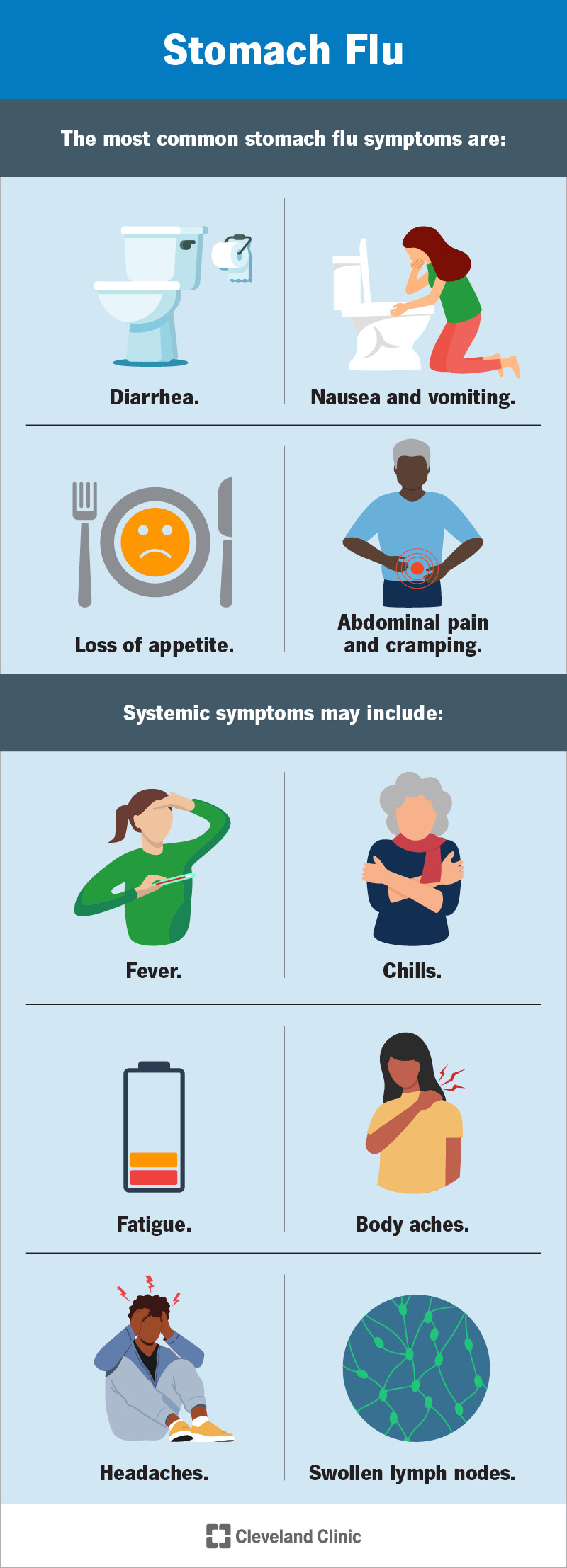
The Productivity Gap
For salaried employees, absenteeism represents a sunk cost. For the employer, however, it translates into a loss of “billing hours” or project momentum. When a critical mass of a workforce is sidelined, organizations face a productivity bottleneck that can delay product launches, miss quarterly service targets, or force expensive overtime adjustments once the workforce returns. Estimating the cost of these viruses requires looking at the daily revenue per employee; even a minor outbreak can cost a mid-sized enterprise thousands of dollars in unrealized value within a single week.
The Hidden Cost of Presenteeism
While absenteeism is easy to track, “presenteeism”—the act of working while ill—is a silent drain on corporate finances. Employees who attempt to work through gastrointestinal distress often operate at a fraction of their peak efficiency. They are prone to decision-making errors, reduced creativity, and potential long-term burnout. From a risk management perspective, companies that prioritize a “stay home” culture during outbreaks often save more in long-term performance than they lose in short-term labor gaps.
Market Shifts and Consumer Spending Volatility
Seasonal illness patterns create predictable, yet often overlooked, shifts in consumer behavior. As households divert their disposable income toward pharmaceutical relief and sanitation supplies, other sectors experience a temporary contraction.
The Healthcare and Sanitation Surge
During peak months for stomach viruses, there is a measurable uptick in the performance of specific stocks and retail sectors. Pharmacies, manufacturers of over-the-counter anti-nausea medications, and brands specializing in industrial-grade disinfectants often see a localized spike in sales volume. Investors who track seasonal health trends often note that the “flu season” isn’t just a clinical timeline—it’s a commercial one. Companies that provide essential cleaning and sanitation services for commercial real estate also experience increased demand, as businesses scramble to sanitize workspaces to prevent further productivity loss.
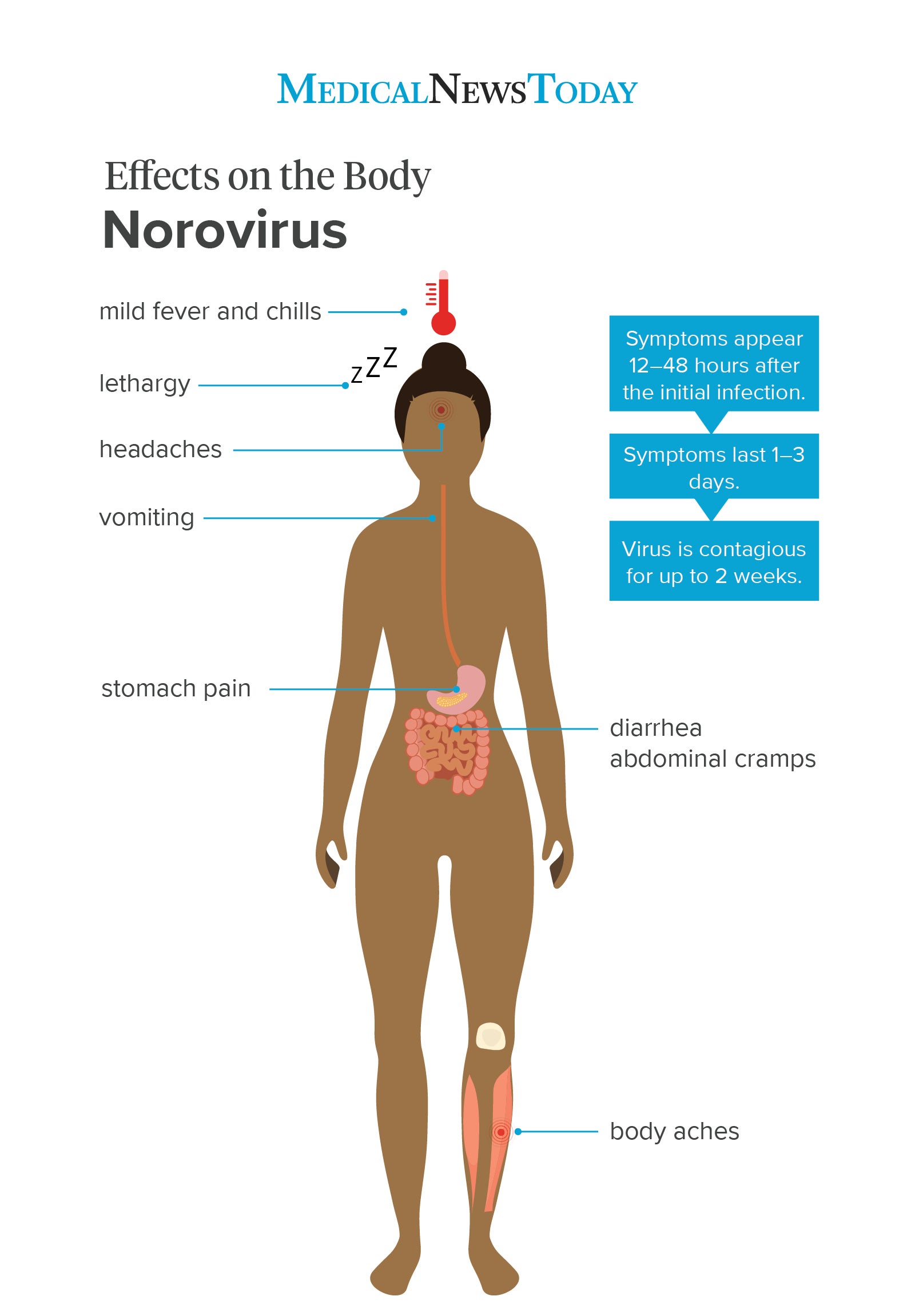
Impact on Retail and Hospitality
Conversely, sectors reliant on “in-person” presence, such as restaurants, cinema chains, and brick-and-mortar retail, frequently report dips in foot traffic during intense virus cycles. When consumers are ill—or fearful of illness—the velocity of money in the local economy slows down. The dining and entertainment industry, which operates on razor-thin margins, is particularly vulnerable to these fluctuations. A weekend of low attendance due to a widespread stomach bug can jeopardize a small business’s monthly rent coverage or inventory turnover projections.
Business Continuity and Financial Risk Mitigation
For the business owner or executive, the recurrence of seasonal viruses is a predictable risk that requires a robust financial contingency plan. Reactive management is a recipe for fiscal volatility; proactive management, however, leverages data to insulate the balance sheet.
Investing in Infrastructure for Resilience
The most successful organizations are those that have digitized their operations to ensure continuity regardless of physical office attendance. The shift toward remote or hybrid work environments serves as a natural hedge against viral outbreaks. By investing in robust cloud infrastructure, collaborative software, and asynchronous project management tools, companies decouple productivity from physical geography. This digital transformation is not just a trend—it is a financial safeguard that ensures revenue streams remain open even when the physical workspace is compromised.
The Value of Sick Leave as an Asset
Forward-thinking companies are increasingly viewing generous sick leave policies not as a payroll burden, but as a long-term financial asset. By encouraging employees to isolate during the initial stages of a viral infection, companies prevent the “domino effect”—where one ill employee inadvertently brings the entire department to a standstill. The cost of a sick day is fixed and predictable; the cost of a department-wide outbreak is variable, chaotic, and significantly higher. A well-structured leave policy acts as a “circuit breaker” that preserves organizational capital.
The Macro Perspective: Insurance and Economic Modeling
On a broader scale, the economic impact of gastrointestinal viruses is factored into the models used by insurance companies and healthcare analysts. The financial burden is redistributed across the economy through healthcare premiums and public health spending.
The Role of Business Interruption Insurance
While standard business interruption insurance often requires physical damage to premises, sophisticated risk managers are looking at how viral outbreaks impact commercial viability. As the global economy becomes more sensitive to health-related disruptions, the insurance industry is likely to evolve, potentially offering more specific coverage for businesses that can demonstrate high-impact losses due to contagious illnesses. For the business owner, this means evaluating current policies and understanding the limitations of coverage during health-related lulls.

Long-term Financial Planning
Ultimately, the “stomach virus going around” is a reminder that personal and corporate finance are deeply connected to the biological reality of the population. Financial health requires a buffer—a cash reserve—not just for market downturns, but for the micro-downturns caused by seasonal illness. Maintaining a liquidity reserve allows a business to weather a period of low productivity without resorting to high-interest short-term debt or compromising on quality to rush deadlines.
By viewing seasonal health challenges through a financial lens, individuals and businesses can better insulate themselves from the negative impacts of these cycles. Whether it is through smarter asset allocation in healthcare stocks, more resilient remote-work infrastructure, or simply maintaining an emergency fund that accounts for temporary health-related disruptions, the goal remains the same: to minimize the financial friction caused by the inevitable ebbs and flows of public health. Stability in an unpredictable environment is the cornerstone of sustainable financial growth.
aViewFromTheCave is a participant in the Amazon Services LLC Associates Program, an affiliate advertising program designed to provide a means for sites to earn advertising fees by advertising and linking to Amazon.com. Amazon, the Amazon logo, AmazonSupply, and the AmazonSupply logo are trademarks of Amazon.com, Inc. or its affiliates. As an Amazon Associate we earn affiliate commissions from qualifying purchases.