
In the crowded landscape of modern marketing, brands often fall into the trap of constant reinvention. They chase the latest trends, pivot their aesthetic, and rewrite their mission statements in a desperate bid to remain relevant. However, the most enduring and successful brands—the ones that withstand decades of market shifts—are rarely those that change the most. Instead, they are the ones that have mastered the art of consistency. When we ask, “What’s the same?” regarding iconic global brands, we aren’t just looking at logos; we are looking at the foundational pillars of brand identity that provide a sense of stability in an unpredictable economy.
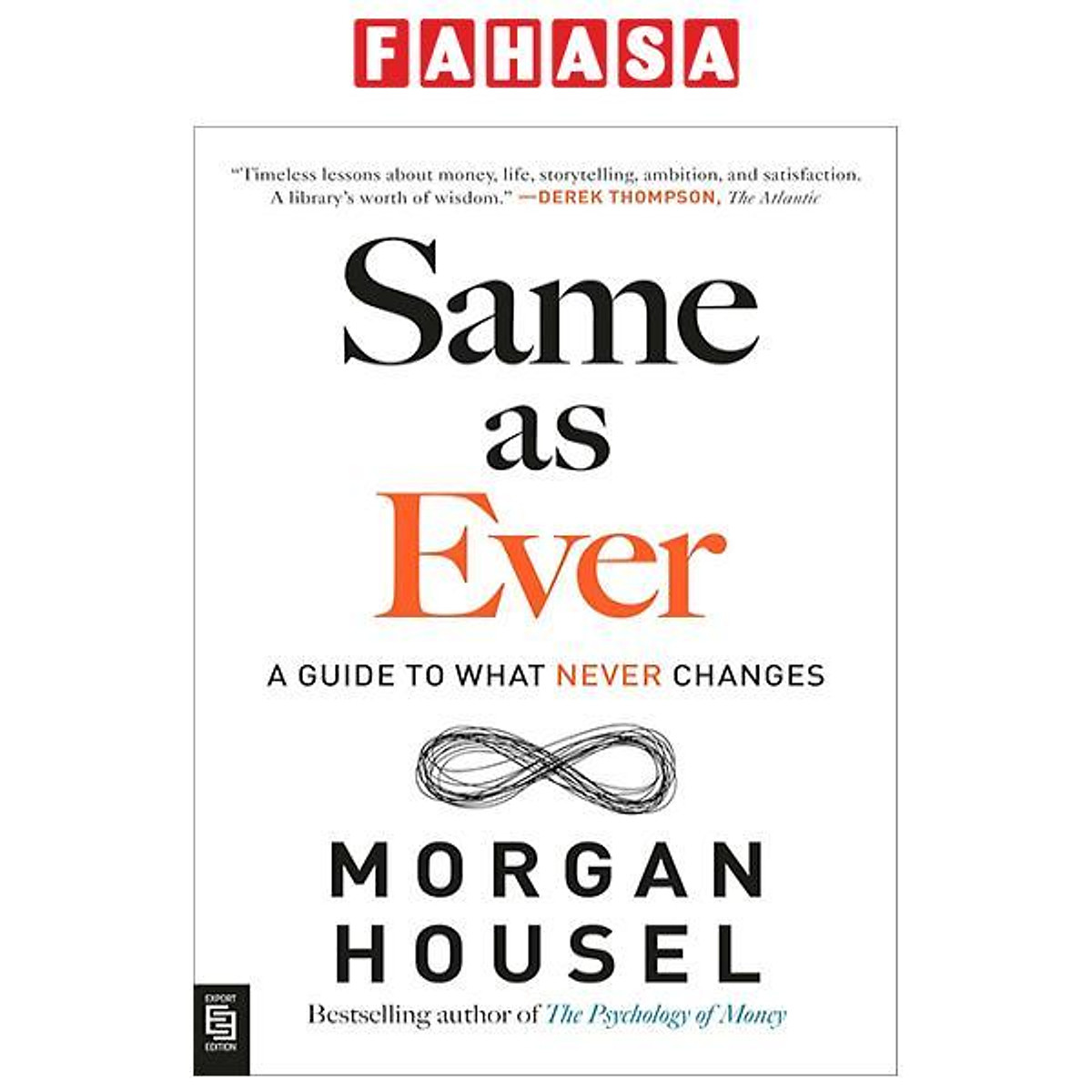
The Architecture of Brand Consistency
At its core, a brand is a promise made to the consumer. If that promise changes every quarter, the consumer loses trust. Consistency is not merely about using the same hex code for your website buttons; it is about the psychological architecture that allows a brand to occupy a specific, immovable space in a customer’s mind.
The Role of Core Values
Core values are the internal compass of a brand. While products may evolve from software to hardware, or from physical goods to digital subscriptions, the underlying intent must remain anchored. When a customer interacts with a legacy brand, they are looking for a baseline experience. Whether it is a commitment to artisanal quality, a dedication to ruthless efficiency, or a focus on community empowerment, these values act as the “what’s the same” factor. When a company stays true to its core values, it builds a shorthand with its audience. Customers don’t have to relearn what the brand stands for, which reduces cognitive load and fosters long-term loyalty.
Visual Identity and Cognitive Ease
Human brains are wired to recognize patterns. We seek familiarity because it signifies safety and reliability. When a brand maintains a consistent visual language—specific color palettes, typography, and iconography—it leverages the power of cognitive ease. If you encounter a brand’s digital touchpoint, a physical package, or an out-of-home advertisement, the visual cues act as a signal that confirms, “This is who you know.” Altering these cues unnecessarily disrupts the mental shortcut the consumer has built. The brands that win are those that treat their visual assets as proprietary equity, carefully guarding them against the whims of design fads.
The Intersection of Tradition and Innovation
There is a common misconception that “staying the same” means stagnation. In the world of brand strategy, this could not be further from the truth. The challenge lies in balancing the static nature of brand identity with the dynamic requirements of product innovation.
Anchoring New Ideas in Old Foundations
Think of the most successful tech-driven brands. When they launch a new feature or a disruptive product, they do so through the lens of their established identity. If a brand known for privacy and security launches a new AI-integrated tool, the “what’s the same” is the ethical framework surrounding that tool. They are not changing the brand to fit the product; they are molding the product to fit the brand. This creates a bridge between the customer’s existing knowledge and the new experience. By anchoring innovation in familiar territory, brands lower the friction of adoption.
Managing Brand Drift
Brand drift happens when a company starts to dilute its message by trying to be everything to everyone. Often, this is a response to competitive pressure or a fear of irrelevance. However, the most effective strategy for managing drift is a rigorous adherence to the “same” aspects of the brand. Before approving a new marketing campaign, a partnership, or a product line, a brand must ask: “Does this enhance or dilute our core promise?” If the answer is the latter, the initiative must be discarded, regardless of its short-term revenue potential. True brand growth comes from deepening the connection to an existing audience, not by stretching the brand so thin that it loses its texture.
Emotional Resonance and Storytelling
A brand is not just a commercial entity; it is a narrative vessel. The “what’s the same” aspect of brand storytelling is the hero’s journey that the customer is invited to participate in.
Consistent Archetypes
Carl Jung’s archetypes remain the gold standard for brand consistency. Whether a brand operates as the “Caregiver,” the “Rebel,” or the “Sage,” it must occupy that emotional space consistently. If a brand switches from a “Sage” archetype (focused on wisdom and truth) to a “Jester” archetype (focused on humor and lightheartedness) overnight, the audience experiences a disconnect. The narrative voice, the tone of customer support, and the mission-driven storytelling must feel like the same conversation, held with the same person, over the course of several years.
Building Rituals
Rituals are the actions that define a relationship. Just as individuals have routines that make their lives meaningful, brands can create rituals that give customers a sense of belonging. The specific way a brand handles unboxing, the consistent language used in email newsletters, or the recurring seasonal campaigns—these are the rituals that keep a brand “the same” in the eyes of the consumer. These rituals transform a transactional relationship into a relational one. When the ritual remains intact, the customer feels they have a stable, predictable partner in the brand.
The Future of Permanence in a Digital Age
As we move into an era defined by rapid technological transformation, the value of permanence is skyrocketing. In a world of deepfakes, automated content, and transient viral trends, the “what’s the same” factor has become a competitive advantage.
The Premium on Trust
Trust is the currency of the future economy. Brands that have established a reputation for consistency are finding that this reputation is their most valuable asset. While competitors spend millions on rebranding efforts or customer acquisition through paid media, consistent brands benefit from organic advocacy and lower churn rates. Customers are increasingly wary of “chameleon brands” that change their values based on social pressure or market fluctuations. By staying the same, you are making a bold statement of integrity.

Defining the Constants
Every brand leader should undertake an audit to define their “constants.” What are the five things about your brand that must never change? Is it the level of customer service? The aesthetic minimalism? The commitment to sustainability? Once these constants are identified, they must be codified into the corporate culture. They become the non-negotiables that guide hiring, product development, and communication.
In conclusion, the most powerful question a brand can ask is not “What can we change to be more like the industry leader?” but rather “What is the same, and how can we deepen our commitment to it?” By identifying, protecting, and amplifying the core elements of the brand identity, companies can move beyond the noise of the market. They stop competing for attention and start cultivating loyalty. They become anchors in a sea of volatility. The brands that endure are not the ones that follow the map; they are the ones that hold the compass. Consistency is not the enemy of progress; it is the foundation upon which meaningful progress is built. When the market shifts and the ground beneath your feet feels unstable, the answer—the only answer—is to double down on what remains the same.
aViewFromTheCave is a participant in the Amazon Services LLC Associates Program, an affiliate advertising program designed to provide a means for sites to earn advertising fees by advertising and linking to Amazon.com. Amazon, the Amazon logo, AmazonSupply, and the AmazonSupply logo are trademarks of Amazon.com, Inc. or its affiliates. As an Amazon Associate we earn affiliate commissions from qualifying purchases.