
In the modern corporate landscape, the terms “ethics” and “morals” are often used interchangeably. In boardrooms, marketing strategy sessions, and mission statement drafting, they are frequently lumped together under the umbrella of “doing the right thing.” However, for brand strategists and corporate leaders, distinguishing between these two concepts is not merely an exercise in semantics; it is a critical component of brand identity, consumer trust, and long-term business sustainability.
Understanding the nuance between ethics and morals allows a brand to navigate the complex waters of corporate social responsibility (CSR) and public perception. When a company aligns its internal moral compass with its external ethical framework, it creates a coherent narrative that resonates with increasingly conscious consumers.

The Philosophical Foundation: Morals vs. Ethics
To apply these concepts to brand strategy, we must first define their distinct origins. While they share the goal of guiding behavior, their sources of authority differ significantly.
The Personal Internal Compass (Morals)
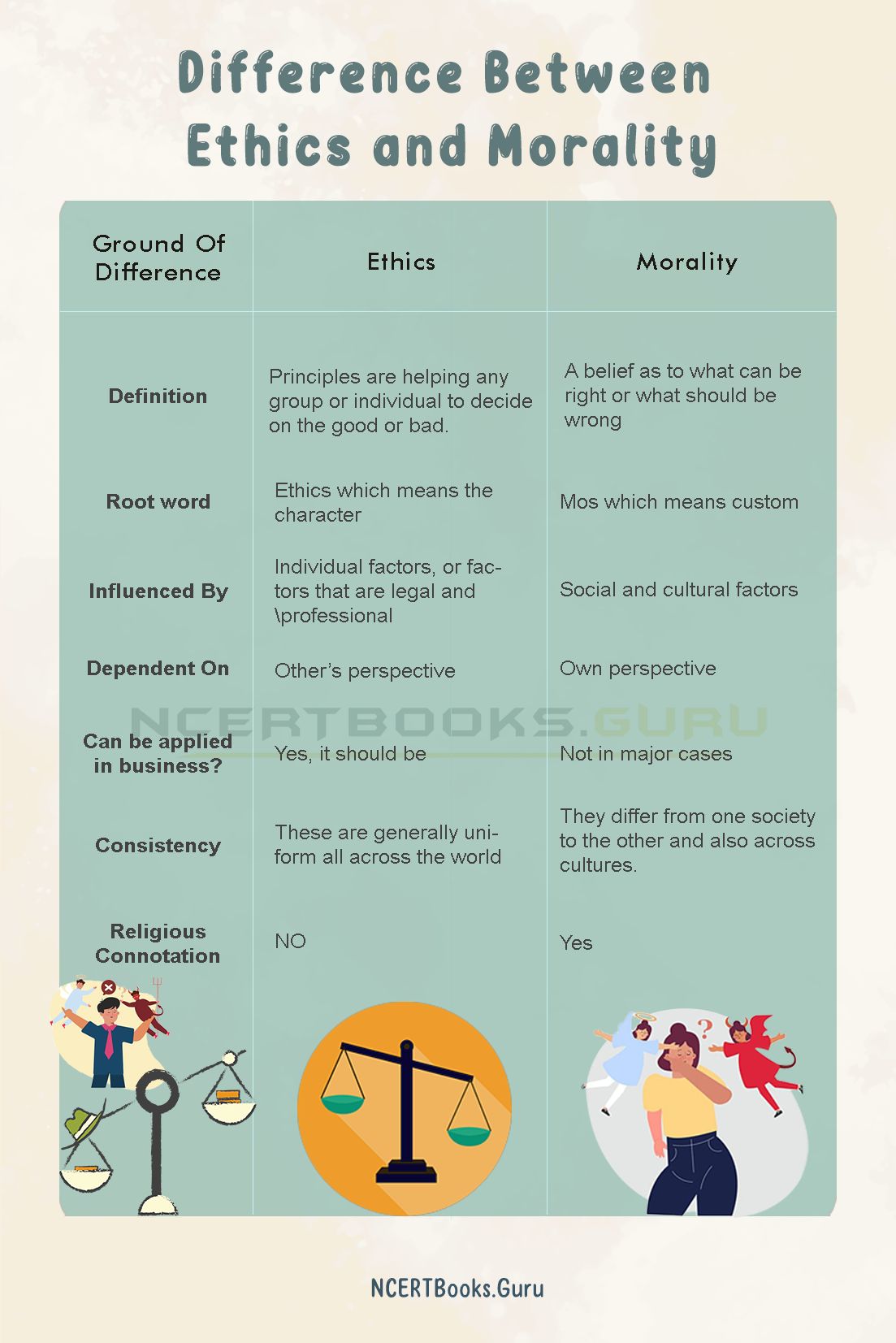
Morals are fundamentally personal. They are the internal principles that guide an individual’s sense of right and wrong. Morals are often shaped by one’s upbringing, culture, religion, and personal experiences. They represent the “inner voice”—the gut feeling that tells a person whether an action feels inherently “good” or “bad.”
In a brand context, morals are the foundational values of the founders and the core leadership team. When a CEO declares that a company will never compromise on quality because “it’s the right thing to do,” they are speaking from a moral standpoint. It is a belief rooted in the conviction of the individual leader.
The External Professional Framework (Ethics)
Ethics, by contrast, are external. They are the rules, codes, and standards of conduct imposed by a group, a profession, or a society. Ethics are the “collective morality” of an organization. If morals are what you believe, ethics are how those beliefs are operationalized within a formal system.
A professional code of conduct, a brand’s environmental compliance standards, or the labor policies of a global supply chain—these are all ethical frameworks. Ethics are not necessarily about what “feels” right to an individual, but about what is “correct” according to established standards, agreements, and expectations of a stakeholder group.
Building Brand Identity Through Ethical Frameworks
In the arena of brand strategy, the distinction between morals and ethics becomes a tool for building trust. A brand cannot rely solely on the “moral” convictions of its leadership; it must demonstrate “ethical” adherence to its environment.
Codifying Values into Policy
A brand strategy that claims to be “honest” is making a moral statement. However, that moral claim is meaningless to the consumer unless it is supported by an ethical framework. For example, if a brand claims to value sustainability (a moral position), that must be backed by a transparent supply chain audit (an ethical framework).
Ethical frameworks serve as the bridge between internal beliefs and external reputation. When a brand clearly articulates its ethical standards—such as its approach to data privacy, fair wages, or carbon offsetting—it moves from being a subjective entity with vague “good intentions” to an objective entity with measurable accountability.

The Role of Transparency in Ethical Branding
Modern consumers are highly adept at identifying the gap between moral rhetoric and ethical practice. This gap is where “brand washing” occurs. If a brand touts its moral superiority but fails to provide the ethical documentation to support it, consumer trust erodes rapidly.
Effective brand strategy involves building a system where moral values are translated into ethical policies. When a company decides that treating employees with dignity is a moral imperative, the ethical implementation is a comprehensive HR policy that includes living wages, mental health support, and transparent grievance mechanisms. This alignment is what separates enduring brands from transient trends.
Navigating Moral Dissonance and Ethical Crises
Every brand will eventually face a moment of testing. The true test of a brand’s strategic maturity is how it navigates the tension between internal moral beliefs and external ethical pressures.
When Internal Values Clash with Market Expectations
Sometimes, a brand’s internal moral core may collide with the demands of the market or legal requirements in different jurisdictions. A company might have a strong moral belief in absolute free speech, yet operate in a market where local laws require the censorship of certain types of information.
This is an ethical dilemma. Does the brand prioritize its moral stance (the “right” thing according to its culture) or its ethical adherence (the “correct” thing according to the operating laws)? Strategists must decide which framework takes precedence. When a brand consistently chooses convenience over its stated ethical standards, the brand identity weakens. Conversely, when a brand takes a public stand—even at a cost—it reinforces its position and gains loyalty from a segment of consumers who share those values.
Rebuilding Trust After Ethical Failure
When a brand violates its own ethical code, the resulting fallout is rarely just a technical error; it is viewed as a moral failure. If a tech company experiences a massive data breach, it is an ethical failure of security protocol. However, if the company lied about the scope of the breach, it becomes a moral failure of leadership.
Rebuilding trust after such a crisis requires more than just an “ethical patch” (e.g., implementing better encryption). It requires a moral reckoning. The brand must acknowledge the failure, not just in its operations, but in its values. This is why corporate apologies that sound like legalistic, clinical justifications rarely work; they address the ethics without satisfying the moral demand for accountability.
Strategic Integration: Aligning Moral Vision with Ethical Practice
For any organization looking to scale, the goal is to create a seamless integration where the moral vision of the brand acts as the “North Star” and the ethical framework acts as the “map.”
Cultivating a Culture of Ethics
A brand’s ethical culture is a mirror of its internal moral environment. If the leadership promotes a “win at all costs” culture, the ethical framework will inevitably become corrupted, as employees will prioritize results over the standards. To foster a sustainable brand, leaders must ensure that their moral imperatives—such as integrity, empathy, and fairness—are woven into the daily operational ethics of every department.
The Competitive Advantage of Ethical Clarity
In a saturated market, consumers are increasingly choosing brands based on their perceived moral standing. A clear ethical framework provides the proof that supports those perceptions. Brands that can demonstrate this alignment—showing that their internal beliefs translate directly into consistent, transparent, and fair actions—possess a significant competitive advantage.
They are not just selling a product; they are selling a commitment. They invite the consumer into a relationship governed by shared principles. This turns a customer into a loyal advocate, because the brand’s actions are no longer just business maneuvers; they are reflections of a set of values that the customer also holds dear.
In conclusion, the difference between ethics and morals is the difference between the “why” and the “how.” Morals provide the intrinsic motivation that drives a brand’s purpose, while ethics provide the extrinsic structure that keeps the brand accountable. For any brand aiming for longevity and deep market penetration, the strategic imperative is to ensure that the “why” and the “how” are never in conflict. When a brand’s moral compass and its ethical maps point in the same direction, it establishes a foundation of trust that is nearly impossible for competitors to disrupt. This integration of belief and behavior is the hallmark of the modern, successful brand.
aViewFromTheCave is a participant in the Amazon Services LLC Associates Program, an affiliate advertising program designed to provide a means for sites to earn advertising fees by advertising and linking to Amazon.com. Amazon, the Amazon logo, AmazonSupply, and the AmazonSupply logo are trademarks of Amazon.com, Inc. or its affiliates. As an Amazon Associate we earn affiliate commissions from qualifying purchases.