
The automotive landscape is undergoing its most significant shift in a century. As governments tighten emissions standards and battery technology matures, the electric vehicle (EV) is transitioning from a luxury plaything for early adopters to a viable commodity for the average household. However, for most consumers, the primary barrier to entry remains the “green premium”—the higher upfront cost associated with battery-electric powertrains compared to their internal combustion engine counterparts. Identifying the cheapest electric car is no longer just about finding the lowest sticker price; it is about calculating the total cost of ownership, understanding state subsidies, and evaluating the long-term financial impact on your personal balance sheet.

The Economics of Entry-Level EV Pricing
When evaluating the cheapest electric cars on the market, one must distinguish between the Manufacturer’s Suggested Retail Price (MSRP) and the “real-world” cost. In the current fiscal climate, price-to-range ratios are the primary metrics that savvy investors and consumers use to determine value.
Understanding the Depreciation Curve
Unlike traditional vehicles, which depreciate based on mechanical reliability and brand prestige, EVs carry a unique depreciation profile centered on battery health. Historically, EVs have seen steeper depreciation due to rapid technological cycles. However, as entry-level models like the Nissan Leaf or the Chevy Bolt have reached maturity, the market has stabilized. When you purchase the cheapest EV available, you are essentially buying into a depreciating asset that promises to offset its loss in value through lower fuel and maintenance costs. The financial goal is to ensure that the cumulative fuel savings over five years exceed the difference between the EV’s price and a comparable gasoline-powered economy car.
Incentives and the Tax Credit Calculus
The “cheapest” car is often a matter of geography and tax status. Federal tax credits, such as the Clean Vehicle Credit in the United States, can effectively slash the price of a vehicle by $7,500. However, these incentives are subject to strict sourcing requirements, income caps, and battery component limitations. For the budget-conscious buyer, the effective price—the MSRP minus the point-of-sale rebate—is the only figure that matters. In many cases, a slightly higher-priced vehicle that qualifies for a full federal tax credit may actually be cheaper than a lower-priced entry model that qualifies for nothing.
Evaluating Top Contenders in the Budget Segment
The market for sub-$30,000 electric vehicles is thin but fiercely competitive. Manufacturers are struggling to keep prices down while batteries remain the single most expensive component of the vehicle.
The Chevy Bolt EV and EUV: The Gold Standard of Value
For years, the Chevrolet Bolt has held the crown for the best price-to-range ratio. While production has undergone strategic pauses, the Bolt remains the benchmark. By leveraging proven battery chemistry and economies of scale, Chevrolet managed to provide a vehicle that offers roughly 250 miles of range for a price point that frequently dips below $27,000 before incentives. From a personal finance perspective, the Bolt represents a “utility-first” investment. It avoids the gimmicks of premium branding, focusing instead on delivering affordable, electric transportation that minimizes the consumer’s exposure to volatile gasoline prices.
The Nissan Leaf: The Legacy Choice
The Nissan Leaf holds the title of the longest-running mass-market EV. Because Nissan has already amortized the R&D costs of the platform over more than a decade, they are able to price the base model aggressively. The Leaf is often the cheapest vehicle for buyers who prioritize city commuting over long-distance road trips. Its smaller battery capacity limits its range compared to newer entrants, but its lower price point lowers the barrier to entry for households looking to replace a second, gasoline-guzzling vehicle.
The Rise of Chinese-Market Exports
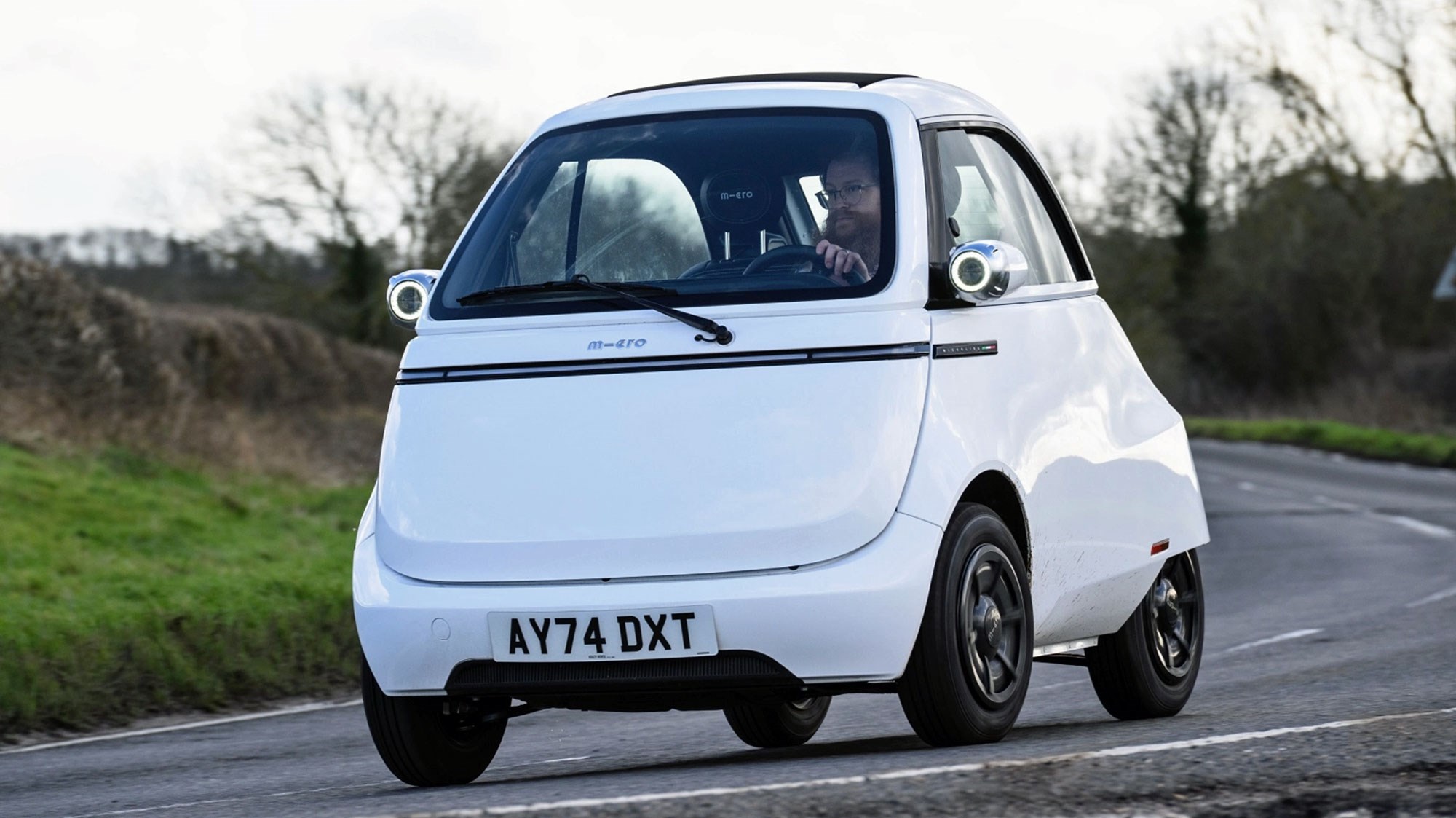
While domestic manufacturers focus on mid-sized SUVs, the global market is seeing an influx of micro-EVs from manufacturers like BYD and SAIC-GM-Wuling. While regulatory hurdles prevent many of these models from reaching North American shores, they represent the future of budget electric mobility. These micro-EVs, often retailing for less than $15,000 in their home markets, prioritize urban maneuverability. If the North American market eventually moves toward these smaller footprints, the definition of the “cheapest” EV will shift from compact sedans to urban micro-cars.
Total Cost of Ownership: Beyond the Sticker Price
The true cost of the “cheapest” electric car is hidden in the operational details. An individual looking to maximize their financial return must look beyond the initial transaction and analyze the ongoing costs that define an EV’s financial footprint.
Energy Arbitrage: Charging at Home vs. Public Infrastructure
The cheapest EV becomes significantly more expensive if the owner is forced to rely on high-speed DC public charging stations. Public charging can cost two to three times more than residential electricity rates. A savvy financial strategy for EV ownership involves installing a Level 2 home charger. By charging during off-peak hours—when utility providers offer lower rates—the “fuel” cost of an EV can be as low as a few cents per mile. When selecting the cheapest car, ensure that your budget accounts for the installation of home charging infrastructure, as this is the single most important factor in realizing the long-term savings an EV promises.
Maintenance Savings and Long-Term Liabilities
Electric vehicles have roughly one-third the moving parts of an internal combustion vehicle. There are no oil changes, no transmission fluid flushes, no spark plugs, and no exhaust systems to rust out. For a budget-conscious consumer, this is a massive boon to cash flow. However, one must account for the “hidden” maintenance: tires. Because EVs are significantly heavier than gas cars due to battery mass, and because electric motors provide instant torque, tires on an EV wear out faster. Integrating the cost of a high-quality set of tires every 30,000 miles is essential for an accurate budget forecast.
Strategic Decision-Making for the EV Buyer
Choosing the cheapest electric car is a balancing act between immediate affordability and long-term utility. To make the right decision, you must align your purchase with your specific lifestyle needs.
Assessing Your Use Case
If your primary need is a daily commuter to travel 20 miles to work, the “cheapest” option is likely an older used EV or a base-model Leaf. You do not need to pay for a long-range battery that will spend 90% of its time sitting in your garage. By rightsizing your battery needs, you avoid paying for “range anxiety” insurance—the extra money paid for massive battery packs that are rarely utilized to their full potential.

Financing the Electric Shift
Financing an EV follows the same principles as any other vehicle, but with a focus on interest rates and residual values. Many manufacturers offer subsidized financing for EVs to move inventory, which can effectively lower the cost of capital. Before signing a loan agreement, calculate the total interest paid over the life of the loan. If the interest rate is high, it may negate the monthly savings realized by the lower fuel costs.
Ultimately, the cheapest electric car is a tool for capital preservation. By reducing reliance on fossil fuels, minimizing maintenance visits, and leveraging government incentives, the modern consumer can use the EV transition to tighten their monthly budget. While the initial sticker price remains a point of contention, the downward trend in battery costs suggests that the “economy car” segment will be dominated by electric powertrains within the decade. For the proactive investor, the path to financial efficiency is clear: prioritize the vehicle that matches your daily range requirements, maximize available tax credits, and invest in residential charging to unlock the lowest possible cost per mile.
aViewFromTheCave is a participant in the Amazon Services LLC Associates Program, an affiliate advertising program designed to provide a means for sites to earn advertising fees by advertising and linking to Amazon.com. Amazon, the Amazon logo, AmazonSupply, and the AmazonSupply logo are trademarks of Amazon.com, Inc. or its affiliates. As an Amazon Associate we earn affiliate commissions from qualifying purchases.