
In the high-stakes arena of global aviation, the title of “the biggest airline” is not merely a badge of honor; it is a reflection of strategic dominance, operational capacity, and market influence. However, determining which airline holds the crown depends entirely on the metrics used to measure success. When we analyze this from a business and financial perspective, the answer shifts based on whether you are looking at total passenger volume, fleet size, or total revenue.
For investors, aviation analysts, and stakeholders, understanding these rankings is essential for evaluating competitive advantages in a capital-intensive industry. By dissecting the fiscal strategies and market share dynamics of the current leaders, we can gain a clearer picture of how these giants navigate the volatile global economy.

Measuring Market Dominance: The Metrics of Success
In the aviation sector, the term “biggest” is quantified through distinct financial and operational Key Performance Indicators (KPIs). Each metric tells a different story about a company’s corporate health and strategic positioning.
Passenger Throughput as a Revenue Driver
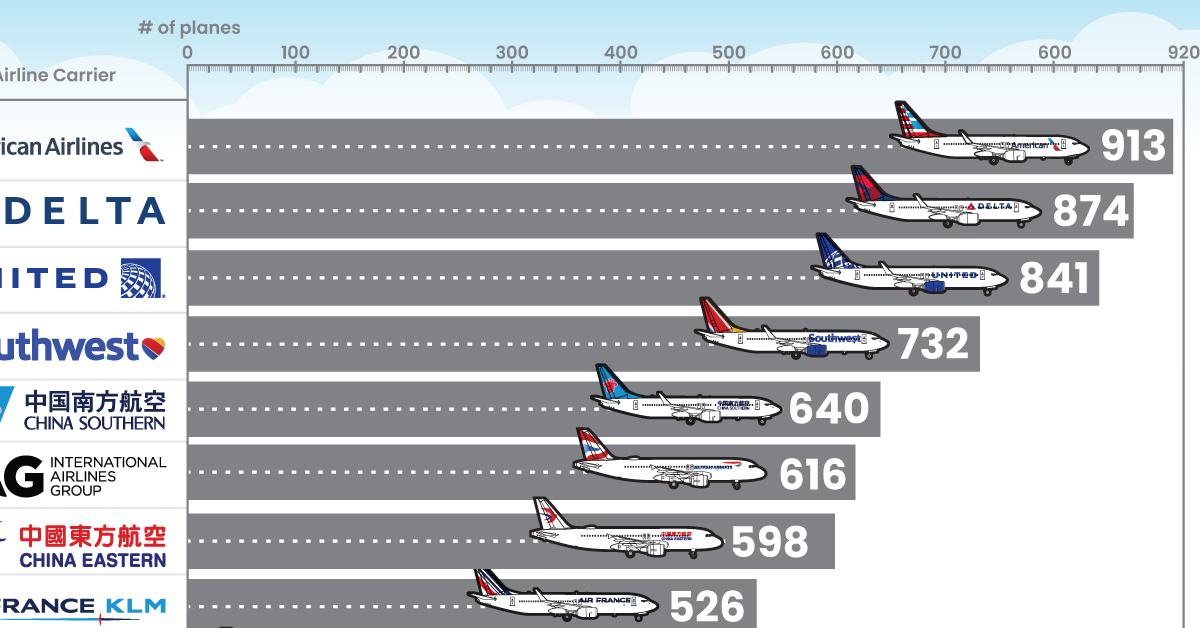
Most industry rankings focus on the number of passengers carried. For a legacy carrier, high passenger volume is the primary driver of top-line revenue. Companies like American Airlines and Delta Air Lines consistently vie for the top spot globally, leveraging massive domestic hub-and-spoke networks to move millions of travelers annually. From a financial perspective, higher passenger numbers provide a larger base for ancillary revenue streams, such as credit card partnerships, loyalty program monetization, and baggage fees.
Fleet Size and Capital Investment
Alternatively, fleet size is often used as a measure of a corporation’s asset base. An airline with a massive fleet is a company with significant long-term capital investment. Owning or leasing hundreds of aircraft requires sophisticated balance sheet management and massive cash reserves. Airlines that prioritize fleet expansion are often signaling an aggressive growth strategy, betting that economies of scale will eventually drive down unit costs and increase profitability.
Revenue Passenger Kilometers (RPK)
Perhaps the most professional metric used by analysts is Revenue Passenger Kilometers. RPK measures the number of paying passengers multiplied by the distance traveled. This metric effectively captures the “economic value” of the airline’s operations. It highlights carriers that focus on long-haul, high-yield international routes versus those focused on low-cost, short-haul regional flights.
The Titans of the Industry: A Financial Case Study
The current landscape of aviation is dominated by a few key players that consistently outperform their peers through superior cost management and strategic route planning.
American Airlines and the Power of Domestic Dominance
American Airlines frequently holds the title of the world’s largest airline by fleet size and passengers carried. Their business strategy is rooted in a robust domestic network that provides a steady stream of cash flow. By maintaining massive hubs in key U.S. cities, they secure a captive audience, which allows for dynamic pricing models that optimize profit margins during peak travel seasons. Their ability to monetize a vast frequent-flyer database has turned their loyalty program into a financial engine, often valued higher than the airline operations themselves.
Delta Air Lines: The Premium Positioning Strategy
Delta Air Lines approaches the market differently, focusing on “premium positioning.” While they rank near the top in size, their primary financial goal is to maintain the highest margins in the industry. By investing heavily in fleet renewal and customer experience, they attract a higher-spending demographic. For an investor, Delta represents a masterclass in brand equity. They have successfully shifted their corporate identity to focus on operational reliability, which allows them to command a price premium over low-cost competitors.
The Rise of Middle Eastern Carriers
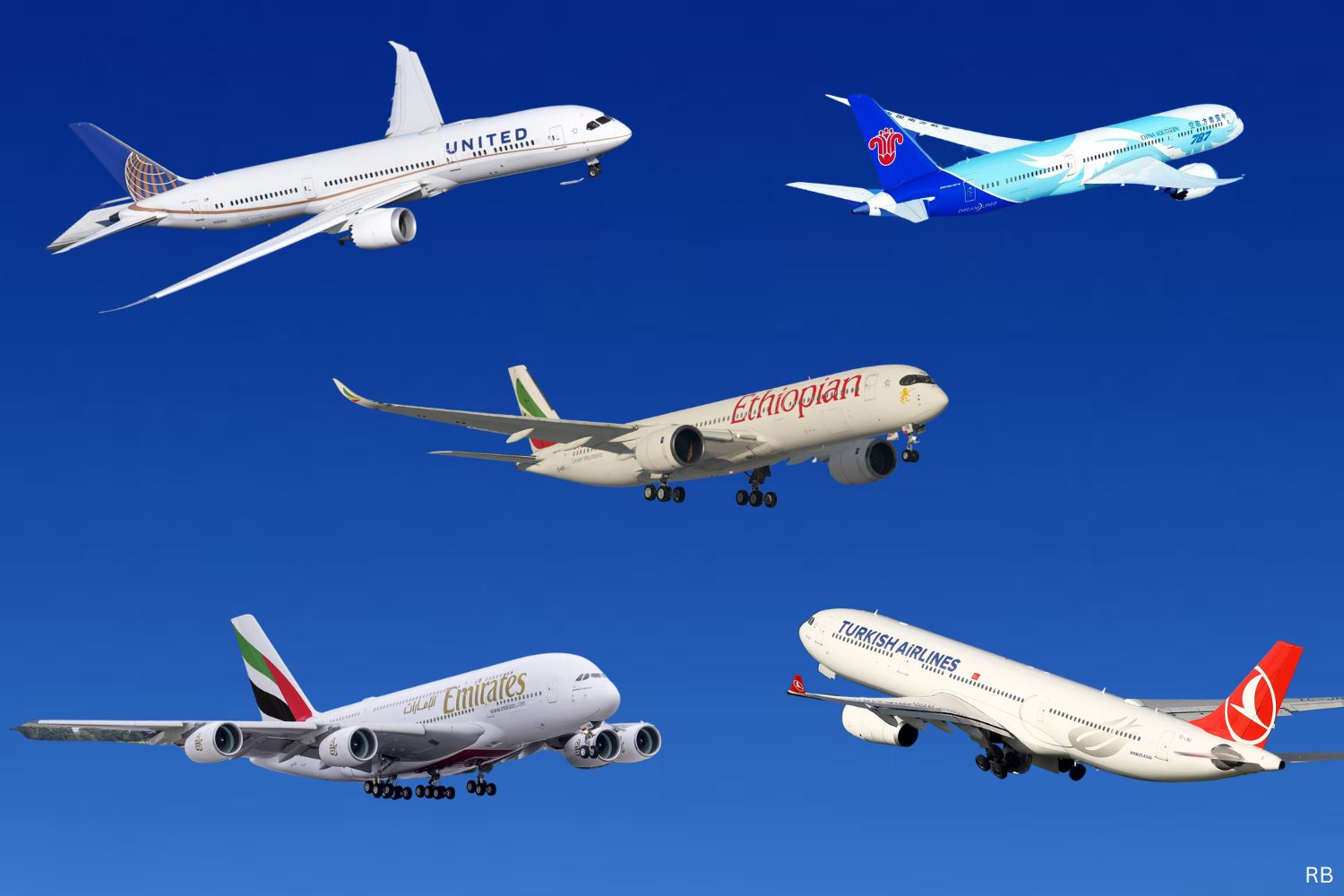
While American and Delta dominate the volume metrics, carriers like Emirates and Qatar Airways have redefined the business model for long-haul connectivity. By leveraging their geographic location as a bridge between the East and the West, these airlines have built massive fleets of wide-body aircraft. Financially, these airlines are often supported by state investment, allowing them to pursue long-term growth strategies that prioritize market share over immediate short-term quarterly profit. This creates a different type of “bigness”—one defined by global reach and strategic infrastructure.
Financial Strategies for Maintaining Scale
Running the world’s largest airline requires more than just aircraft; it requires a sophisticated approach to business finance and risk mitigation. The largest airlines in the world employ specific fiscal strategies to maintain their lead.
Hedging Against Volatility
Fuel is the largest variable expense for any airline. The “biggest” airlines have the financial firepower to engage in complex fuel hedging programs. By locking in fuel prices months or years in advance, these giants shield themselves from the volatility of oil markets. This level of financial insulation is a luxury that smaller competitors cannot afford, creating a widening gap in profit margins during periods of economic instability.
Capital Expenditure and Debt Management
The world’s largest airlines operate with massive debt loads. Managing this debt—often used to finance the purchase of billions of dollars’ worth of aircraft—is a critical component of their financial strategy. These airlines leverage their massive assets to secure favorable financing terms. Their ability to manage interest rate risk and maintain an investment-grade credit rating is what keeps them on top. When interest rates rise, the scale of these airlines becomes a double-edged sword, necessitating aggressive debt restructuring to ensure they remain solvent while continuing to grow.
The Monetization of Loyalty Programs
One of the most important financial developments in recent years is the transition of loyalty programs into standalone profit centers. The “biggest” airlines have realized that their frequent-flyer programs are essentially banks. By selling “miles” or “points” to credit card partners, banks, and retailers, airlines generate billions in high-margin cash flow. These programs have allowed airlines to survive economic downturns that would have historically bankrupted them. For any student of business, the loyalty program is the most critical asset on the balance sheet of a modern mega-airline.
Future Trends: Consolidation and Efficiency
Looking forward, the definition of the “biggest” airline is likely to be influenced by consolidation and technological integration.
The Consolidation Trend
We are entering an era of mega-mergers. Smaller regional airlines are finding it increasingly difficult to compete with the scale and digital infrastructure of the global giants. As the industry consolidates, the gap between the top five airlines and the rest of the pack will widen. This consolidation is driven by the need for better data-sharing capabilities and combined procurement power.
Tech-Driven Efficiency
The next generation of “biggest” airlines will not just be defined by the number of planes, but by the efficiency of their digital systems. Utilizing AI to optimize flight schedules, minimize fuel burn, and predict maintenance needs is the new frontier for profitability. The airline that can best integrate these tools into its existing infrastructure will secure a massive competitive advantage.
Global Market Shifts
As emerging economies in Asia and Africa continue to grow, we may see a shift in the hierarchy of the world’s largest airlines. The airline that captures the middle-class explosion in these regions will likely become the next titan of the industry. The giants of today must remain agile, as the rapid pace of digital transformation and shifting geopolitical realities threaten to disrupt even the most established business models.
Ultimately, being the “biggest” is a pursuit of scale that provides the resources to innovate, the margins to survive, and the market influence to dictate industry standards. Whether measured by passengers, fleet, or revenue, the largest airlines are those that have successfully transformed from simple transport providers into diversified global corporations. For those observing the aviation market, these giants provide the blueprint for understanding how massive scale interacts with global economics.
aViewFromTheCave is a participant in the Amazon Services LLC Associates Program, an affiliate advertising program designed to provide a means for sites to earn advertising fees by advertising and linking to Amazon.com. Amazon, the Amazon logo, AmazonSupply, and the AmazonSupply logo are trademarks of Amazon.com, Inc. or its affiliates. As an Amazon Associate we earn affiliate commissions from qualifying purchases.