
In the competitive landscape of food manufacturing and regional cuisine, the term “scrapple” serves as a masterclass in brand identity—a product that has transitioned from a utilitarian necessity of Mid-Atlantic pork processing to a distinct cultural asset. For marketing strategists and business owners, the story of scrapple is not merely about a recipe; it is a case study in how heritage, brand storytelling, and consistent product positioning can create a “moat” around a niche market that national competitors find nearly impossible to breach.
The Anatomy of a Heritage Brand
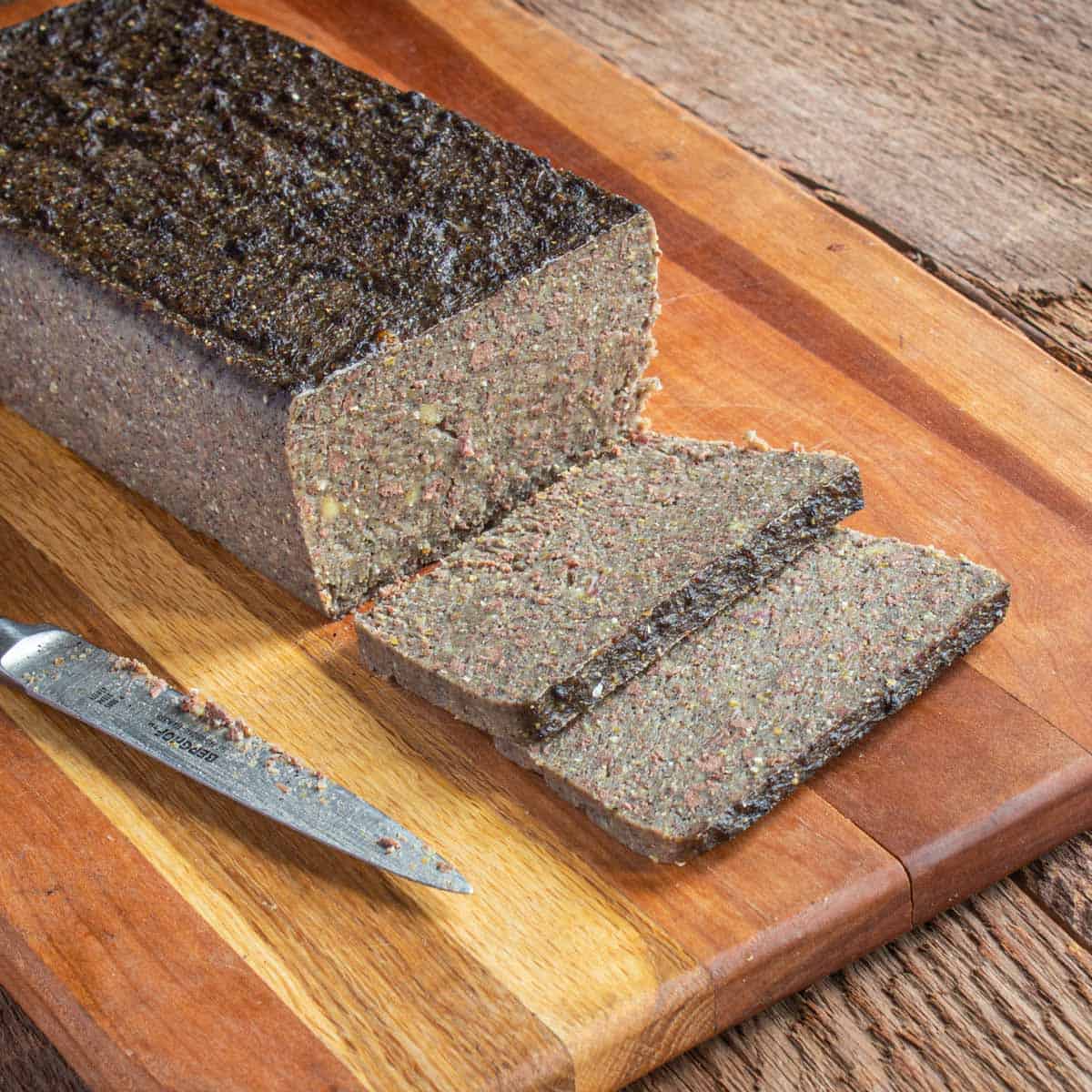
At its core, branding is the process of imbuing a product with meaning beyond its physical components. Scrapple—a mixture of pork scraps, cornmeal, and spices—is inherently polarizing. From a traditional product development standpoint, it is a low-cost, resource-efficient item. However, successful brands in this space have elevated the product by grounding it in a narrative of authenticity.

Defining the Value Proposition
The brilliance of scrapple as a brand asset lies in its “insider” status. By positioning the product as a regional delicacy, marketers have successfully turned a potential deterrent (its ingredients) into a badge of cultural honor. When building a brand, this is known as “affinity marketing.” If you are a consumer in Pennsylvania, Delaware, or Maryland, eating scrapple is an expression of regional belonging.
Companies that have successfully commercialized scrapple do not apologize for the process; they celebrate the heritage. This is a critical lesson for any business: when your product is misunderstood or carries a specific stigma, leaning into the narrative rather than diluting it builds stronger, more loyal customer relationships.
Authenticity as a Competitive Advantage
In an era where consumers are increasingly wary of highly processed, “fake” foods, the scrapple brand thrives on being exactly what it says it is. It is the original “nose-to-tail” eating movement, long before the term became a trend in the culinary world. For modern branding, this serves as a reminder that transparency and historical narrative can be powerful pillars of corporate identity. When you define your brand through its lineage and its functional honesty, you create a layer of trust that competitors using synthetic or focus-grouped marketing cannot replicate.
Strategic Marketing of “Difficult” Products
One of the most complex challenges in brand strategy is marketing a product that doesn’t appeal to the masses. Scrapple is a high-fat, high-sodium item that is often described as an “acquired taste.” Yet, it maintains a massive, cult-like following. This teaches us that market dominance does not always require universal appeal; it requires deep penetration within a specific, passionate demographic.
The Power of Cultural Gatekeeping
Scrapple branding utilizes the concept of cultural gatekeeping to maintain its relevance. By presenting the product as something “you have to grow up with” or “understand to appreciate,” companies cultivate a sense of exclusivity. This psychological trigger—the fear of missing out on a local experience—keeps the market share high among regional transplants.
For brand strategists, this highlights the effectiveness of “identity-based” marketing. When your product becomes tied to the consumer’s identity (e.g., “I am a local”), the price sensitivity of the consumer decreases. The customer is no longer buying a block of pork and cornmeal; they are buying an affirmation of their lifestyle and geography.
Digital Presence and Community Engagement
Modern scrapple brands have successfully migrated this offline heritage into the digital space. By leveraging social media to share cooking tutorials, breakfast combinations, and historical anecdotes, these brands maintain a living, breathing connection with their audience. They treat the product not as a commodity but as a community event.
When applied to other industries, this means identifying the “ritual” surrounding your product. What do your customers do when they use your service? How does your product fit into their daily routine? Branding is most effective when it is woven into the existing behaviors of the consumer, rather than trying to force a new habit.
Corporate Identity and Market Longevity
A brand’s strength is often tested during periods of transition or expansion. Many historic scrapple producers have remained family-owned for generations, which adds another layer of equity to the corporate identity: longevity. In the world of business strategy, a multi-generational legacy acts as a signal of stability and quality.
Legacy as a Marketing Asset
When a company promotes its history—such as “Established 1890″—it is signaling to the market that the product has survived the test of time. This reduces perceived risk for the consumer. For startups and newer brands, the lesson here is to build “future history.” Even if your company is young, you can leverage your founding story, your unique methodology, or your commitment to a specific craft as a proxy for the authority that legacy brands enjoy.
Resilience Against National Competitors
Why hasn’t a national conglomerate successfully commoditized and replaced scrapple? The answer lies in the “barrier to entry” created by the brand’s cultural weight. A national brand might be able to create a similar product, but they cannot replicate the cultural context. This is the ultimate goal of any brand strategy: creating a brand so tightly coupled with its cultural or regional environment that it becomes “un-disruptible” by generic competition.
Lessons in Strategic Brand Positioning
Whether you are in software, retail, or professional services, the “What is Scrapple?” inquiry offers three foundational pillars for long-term brand success:
- Own Your Niche, Don’t Dilute It: Don’t try to make your product everything to everyone. The companies that dominate their space are usually the ones that focus on being the absolute best option for their most dedicated customers. If your product has a unique “quirk,” treat it as a feature, not a bug.
- Tell a Human Story: Data and features matter, but people connect with stories. The history, the location, the process—these are the elements that create emotional resonance. Every product has a story behind it; your success depends on how well you tell that story to build an emotional bond with your audience.
- Build Community, Not Just a Customer Base: A customer buys once; a community buys for a lifetime. By creating a brand that offers a sense of identity or belonging, you move beyond transactional relationships. Look for ways to build a community around your service or product—provide content, host events, or create opportunities for your users to interact with one another.
Conclusion: The Scrapple Framework
In the end, the success of the scrapple brand is a testament to the power of consistent, authentic, and culturally grounded positioning. By understanding that branding is not just about a logo or a catchy slogan, but about the total accumulation of experience and history, businesses can create products that are deeply integrated into the lives of their consumers.
When you strip away the commodity, you are left with the brand identity. If you can define that identity with the same precision and pride as the regional makers of scrapple, you will find that your market presence becomes significantly more robust, resilient, and enduring. Whether you are a local food producer or a digital software startup, the principles remain identical: find your story, lean into your unique characteristics, and ensure that your customers feel like they are part of something larger than the simple transaction of goods. This is how you transform a niche interest into a lasting legacy.
aViewFromTheCave is a participant in the Amazon Services LLC Associates Program, an affiliate advertising program designed to provide a means for sites to earn advertising fees by advertising and linking to Amazon.com. Amazon, the Amazon logo, AmazonSupply, and the AmazonSupply logo are trademarks of Amazon.com, Inc. or its affiliates. As an Amazon Associate we earn affiliate commissions from qualifying purchases.