
In the rapidly evolving landscape of sustainable energy and global infrastructure, the acronym “PV” has become a cornerstone of modern technological discourse. Standing for Photovoltaics, this technology is the primary engine behind the global transition toward renewable energy. Whether you are a homeowner considering a solar installation, an investor scouting the next big trend in clean tech, or simply a curious observer of modern engineering, understanding the mechanics, applications, and trajectory of PV is essential.
The Science of Photovoltaics: Converting Light into Power
At its most fundamental level, photovoltaics is the process of converting light—specifically electromagnetic radiation from the sun—directly into electricity. Unlike solar thermal systems, which use the sun’s heat to create steam or move turbines, PV technology operates at the atomic level, utilizing the unique properties of semiconducting materials.
The Photovoltaic Effect
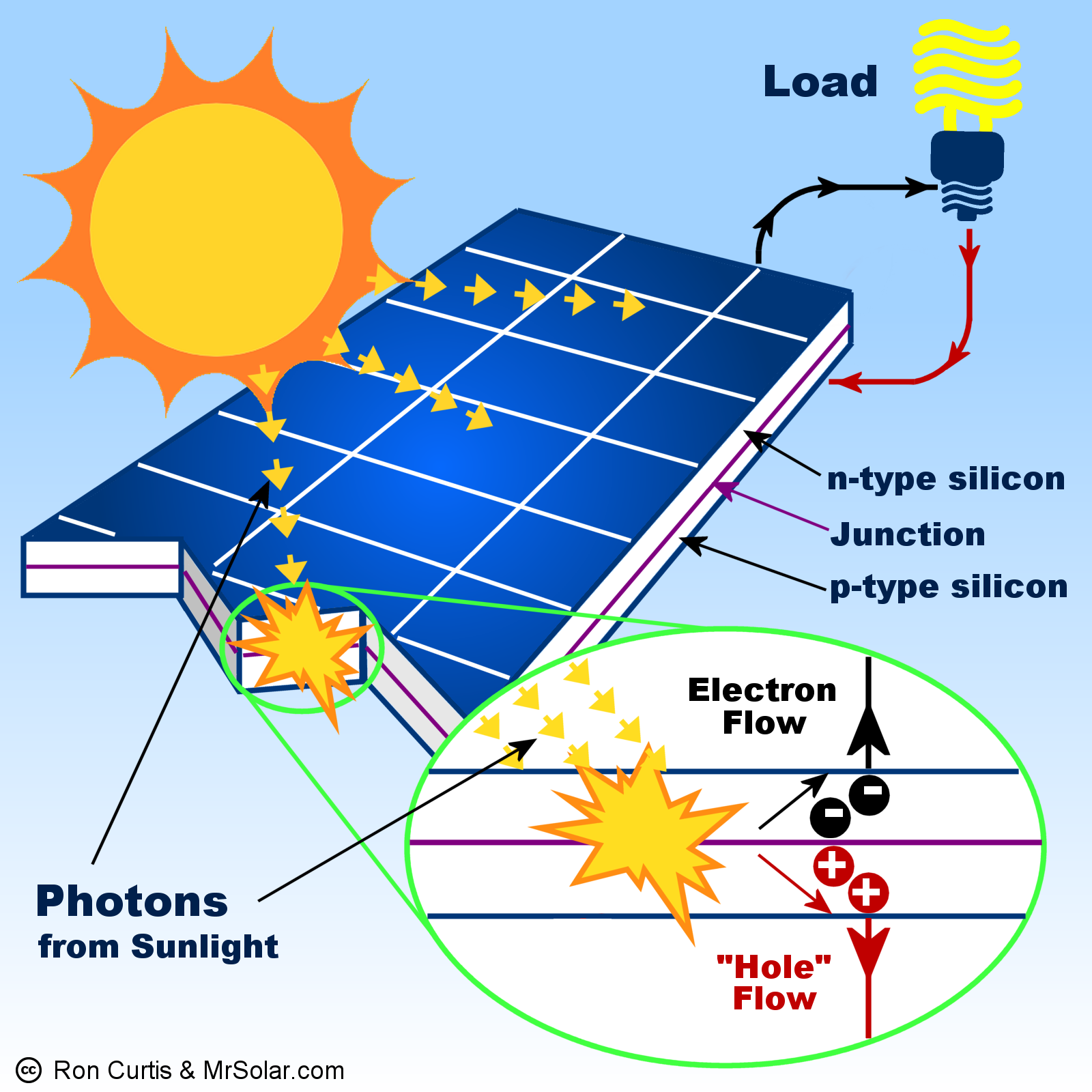
The core of PV technology is the photovoltaic effect, discovered by Edmond Becquerel in 1839. When photons—tiny packets of light energy—strike a semiconductor material like silicon, they transfer their energy to electrons. This energy surge knocks electrons loose from their atomic bonds, creating an electrical current. This process happens silently and instantaneously, requiring no moving parts, which is one of the primary reasons PV systems are so remarkably durable and low-maintenance.
Silicon and Beyond: Material Evolution
The most common material used in PV cells today is crystalline silicon. However, the industry is rapidly diversifying. Monocrystalline cells, known for their high efficiency and uniform aesthetic, dominate the residential market. Polycrystalline cells offer a more cost-effective, though slightly less efficient, alternative. Furthermore, emerging technologies like thin-film solar cells, perovskite-based cells, and bifacial panels—which capture light on both sides—are pushing the boundaries of how much energy we can harvest from a given surface area.
The Ecosystem of Modern PV Systems
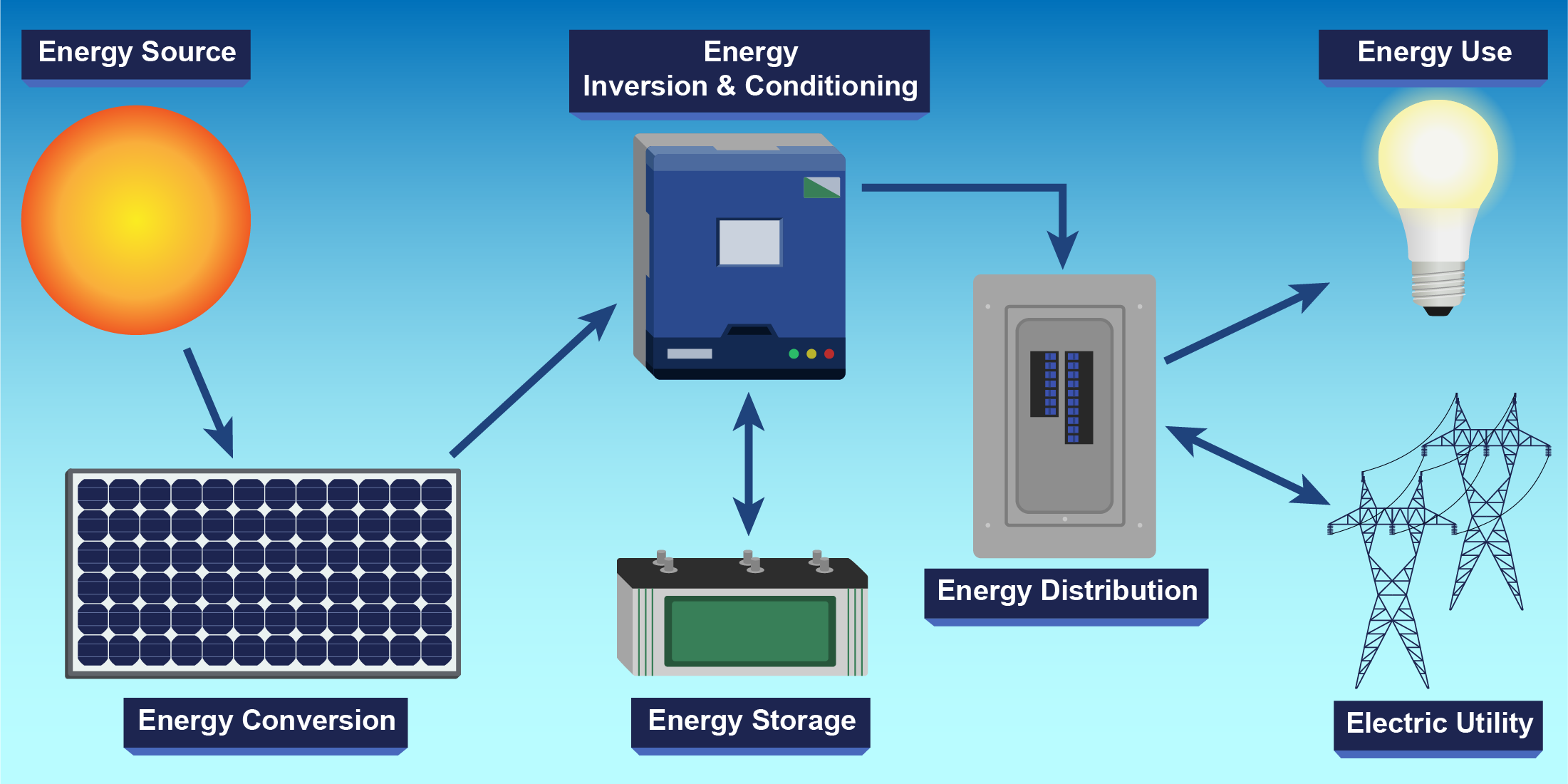
A PV cell alone is not enough to power a home or an industrial grid. It must be integrated into a larger system designed to manage, store, and distribute energy effectively.
From DC to AC: The Role of Inverters
The electricity generated by solar panels is Direct Current (DC). However, the vast majority of our electrical infrastructure, appliances, and grids operate on Alternating Current (AC). This necessitates the use of a solar inverter. Modern inverters have evolved from simple “black boxes” into sophisticated smart devices. They monitor system performance, manage grid connectivity, and, in some cases, provide data to cloud-based monitoring apps that allow users to track their energy production in real time.
Energy Storage and Hybrid Systems
As the adoption of PV technology has surged, the conversation has shifted toward energy independence. The integration of lithium-ion battery storage systems has transformed PV from a daytime-only utility into a 24/7 power solution. By storing excess energy generated during peak sunlight hours, homeowners can power their properties through the night or provide a buffer against grid outages. This transition to hybrid systems—where solar panels, batteries, and grid connectivity work in tandem—represents the current gold standard in residential and commercial energy management.
Navigating the Tech-Driven Future of Solar
The “Tech” category of PV is no longer just about the hardware on the roof; it is about the software and digital intelligence that optimizes the entire energy lifecycle.
The Rise of IoT and Smart Energy Management
The Internet of Things (IoT) has revolutionized how PV systems interact with our homes. Smart energy monitors can now prioritize loads, automatically directing power to the most critical appliances during periods of low production or grid instability. These systems learn user behavior, predicting when energy demand will spike and adjusting storage usage accordingly. This level of digital orchestration is turning passive homes into active participants in a decentralized “Smart Grid.”
Predictive Maintenance and AI-Driven Monitoring
Large-scale PV farms now utilize Artificial Intelligence to maintain peak efficiency. By analyzing weather patterns, satellite imagery, and localized sensor data, AI algorithms can predict when panels might require cleaning or when an inverter might be on the verge of failure. This predictive maintenance significantly reduces downtime and increases the return on investment for large-scale energy projects. Furthermore, digital twin technology—virtual models of a physical PV installation—allows engineers to simulate performance under various environmental conditions before a single panel is even installed.
Economic and Strategic Implications of PV Integration
While the science is impressive, the global dominance of PV is driven by economic viability. The cost-per-watt of solar energy has plummeted over the last decade, making it one of the cheapest forms of electricity generation in human history.
Decentralization and Energy Security
Historically, electricity was a centralized product—generated in massive plants and shipped over long distances. PV technology is disrupting this model by enabling decentralized power generation. By placing generation at the point of consumption (your roof, your parking lot, or your local community center), we reduce transmission losses and increase the resilience of the overall power grid. This shift is critical for national security, as it limits the impact of localized grid failures.
Scaling for the Future: Circular Economy and Sustainability
As the first generation of large-scale solar installations reaches the end of its 25- to 30-year lifecycle, a new technological challenge is emerging: recycling. The tech industry is currently focusing on a circular economy for PV, developing innovative ways to recover silver, silicon, and copper from decommissioned modules. This focus on lifecycle management is a vital step in ensuring that the renewable revolution is truly sustainable from start to finish.
Emerging Trends to Watch
Looking ahead, the next frontier in PV technology involves “Building-Integrated Photovoltaics” (BIPV). We are moving away from the era where solar panels are simply bolted onto roofs. Instead, the technology is being integrated into glass windows, cladding, and even shingles. This aesthetic and functional integration will be the catalyst for the next wave of adoption, allowing urban high-rises and dense housing developments to generate their own power without compromising architectural design.
Conclusion: The Ubiquity of PV
What started as a niche technology for space exploration and specialized instrumentation has become a fundamental pillar of our global energy tech stack. Photovoltaics is no longer a futuristic concept; it is a mature, accessible, and increasingly intelligent technology that sits at the intersection of material science, digital innovation, and sustainable strategy.
As we continue to refine the efficiency of cells, improve the chemistry of energy storage, and deepen the integration of AI within our power grids, the role of PV will only grow. Whether viewed through the lens of carbon reduction or economic efficiency, the ubiquity of PV technology is an inevitable outcome of a world that demands cleaner, more reliable, and more autonomous energy. Understanding “what is PV” is essentially understanding the hardware of the future—a future that is being written, one watt at a time, through the silent, powerful process of capturing light.
aViewFromTheCave is a participant in the Amazon Services LLC Associates Program, an affiliate advertising program designed to provide a means for sites to earn advertising fees by advertising and linking to Amazon.com. Amazon, the Amazon logo, AmazonSupply, and the AmazonSupply logo are trademarks of Amazon.com, Inc. or its affiliates. As an Amazon Associate we earn affiliate commissions from qualifying purchases.