
Navigating the weekly grocery circular is a cornerstone of effective personal finance. When you look at the flyer for Publix, it is easy to see just a list of discounted items. However, for the financially savvy consumer, that circular represents a strategic opportunity to optimize household cash flow, hedge against food inflation, and maximize the utility of your discretionary income. By treating your weekly trip to Publix as a managed investment in your household’s sustenance, you can preserve capital that would otherwise be lost to impulse spending and inefficient purchasing habits.
The Economics of Strategic Grocery Shopping
Successful personal finance is rarely about grand gestures; it is about the aggregation of marginal gains. Saving $30 on a weekly grocery bill through deliberate planning translates to $1,560 in annual savings. When viewed through the lens of compound interest, if that amount were redirected into a high-yield savings account or a brokerage account, the long-term impact on your net worth becomes significant.
The Psychology of the Discount
Publix employs sophisticated pricing strategies designed to move inventory. Understanding these mechanisms—such as Buy One, Get One Free (BOGO) offers and weekly “Price Drop” promotions—is essential. The mistake many consumers make is viewing a sale as an excuse to purchase items they would not otherwise consume. From a financial perspective, a 50% discount on an item you do not need is still a 100% waste of your hard-earned dollars. To optimize your personal balance sheet, focus your spending exclusively on “staple” items that appear in the weekly circular.
Inventory Management at Home
To avoid the “discount trap,” you must maintain an accurate inventory of your pantry and freezer. Before engaging with the weekly flyer, audit your existing stock. If your freezer is already at capacity with proteins, purchasing more on sale—even at an attractive price point—creates a negative cash flow situation that ties up liquidity and potentially leads to food waste, which is the ultimate enemy of the frugal budgeter.
Leveraging the Publix Weekly Circular for Maximum ROI
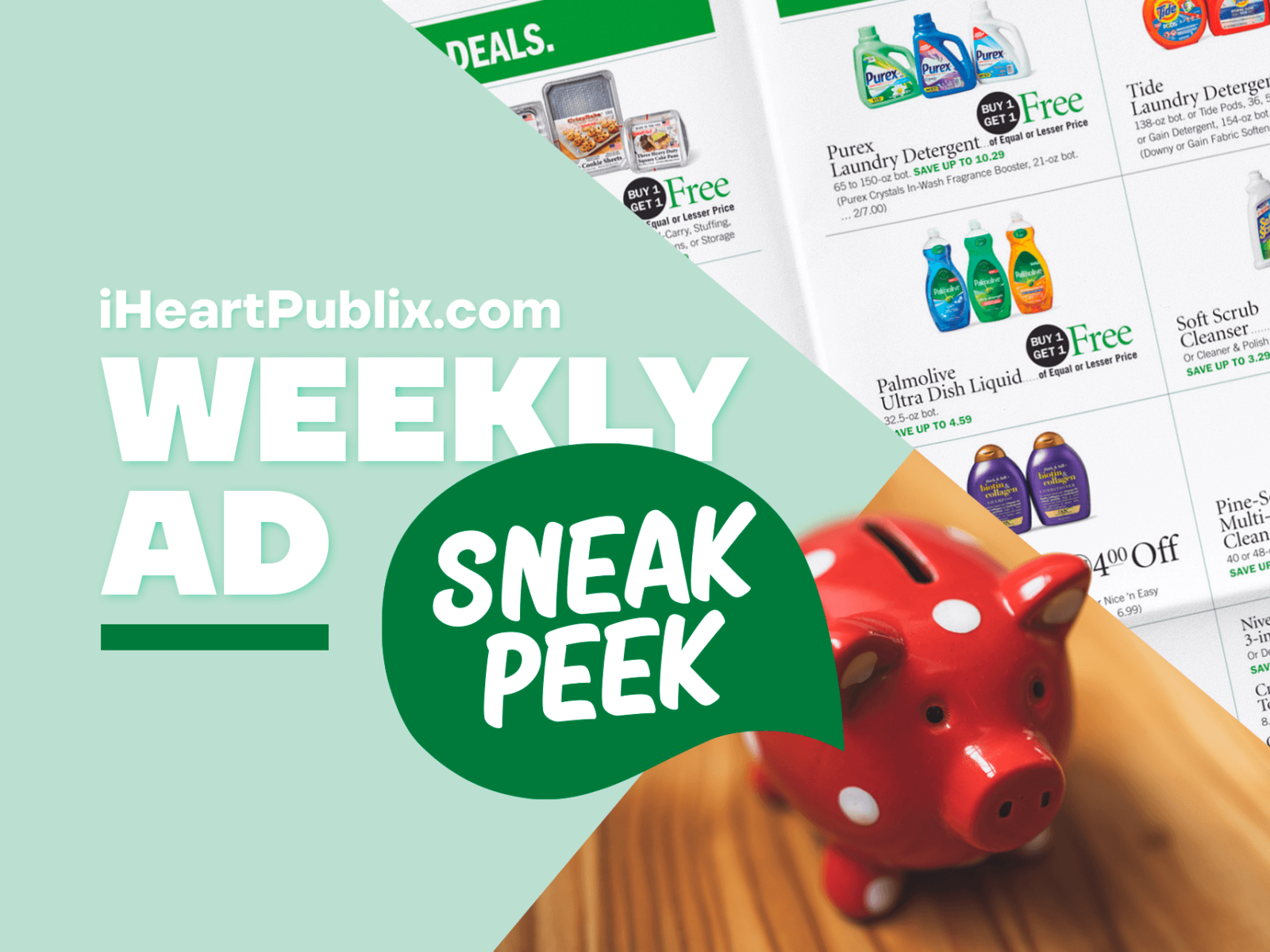
The weekly circular is not merely a list; it is a data set. Extracting value from this data requires a systematic approach to list creation. By aligning your meal planning with the circular’s featured discounts, you effectively lower the “cost of goods sold” for your household.
Analyzing BOGO Opportunities
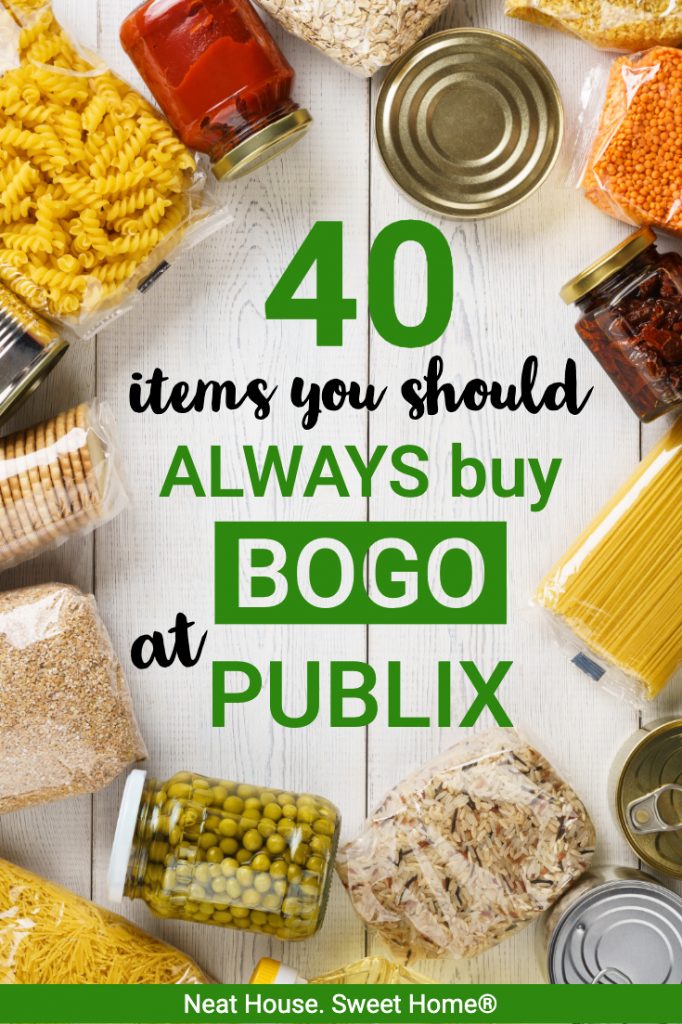
The hallmark of the Publix shopping experience is the BOGO promotion. Because Publix allows customers in most regions to purchase a single item at half the price of the pair, these sales are remarkably flexible. This removes the risk of over-purchasing perishable goods. When planning your budget for the week, prioritize these items for your core meals. If chicken breasts or fresh produce are listed as BOGO, these should serve as the “anchor” ingredients around which you build your meal plan.
Stacking Offers for Cumulative Savings
The most sophisticated shoppers look beyond the circular. Digital coupons available through the Publix app often overlap with current sales. This is the equivalent of “stacking” in the world of financial trading—using multiple instruments to enhance your position. Always check the digital coupon section before finalize your list. Even a small reduction, such as $0.50 off a carton of eggs or a bag of coffee, contributes to the overall reduction of your “cost of living” index for the month.
Strategic Meal Planning as a Budgetary Tool
Meal planning is the bridge between a financial plan and a grocery cart. Without a plan, you are susceptible to the high-margin, convenience-focused items that retailers place at eye level to tempt shoppers. A rigid, circular-based meal plan is your primary defense against retail marketing tactics.
The Anchor-Ingredient Method
Start your planning by identifying the most expensive protein or produce item currently on sale. If salmon or lean ground beef is featured at a significant discount, use that item to dictate your primary dinners for the week. By letting the current sale pricing drive your culinary choices, you ensure that you are eating high-quality food without paying retail market rates. This methodology turns your kitchen into a cost-efficient production center.
Batch Cooking and Bulk Procurement
When durable goods—such as pasta, canned beans, rice, or frozen vegetables—go on sale, increase your purchase quantity within reason. This is a form of inventory investment. By purchasing these items at their cyclical low, you hedge against future price increases. This approach stabilizes your weekly spending variance. If you can maintain a “buffer” of shelf-stable goods purchased during sale cycles, you insulate your monthly budget from unexpected price spikes caused by supply chain volatility.
Financial Hygiene: Tracking Your Grocery Expenditure
Tracking your grocery spending is an essential component of financial health. Many individuals fail to realize that the grocery bill is often the largest variable expense in a household budget. If you are not monitoring this, you are operating with a significant blind spot in your personal finance ledger.
Monitoring Price Fluctuations
Keep a simple log—or use a spreadsheet—to track the “floor price” of items your family consumes regularly. You will quickly notice that major grocery items cycle through sales on a roughly 6-to-8-week schedule. Once you identify this cycle, you can stop paying full price for almost everything. If you see an item is not at its cyclical “low,” do not buy it unless you absolutely must. Wait for the cycle to return. This is the difference between an impulsive buyer and an investor-minded shopper.
The Role of Quality and Value
It is important to distinguish between “cheap” and “value.” Buying the lowest-cost item that lacks nutritional density is a false economy; the long-term impact on health outcomes can lead to increased medical expenses. Publix often puts high-quality, whole-food options on sale. Focus your energy on these items. Investing in quality food reduces the temptation to order takeout, which is one of the most destructive habits for an individual’s personal finance goals.

Conclusion: The Long-Term Impact of Mindful Purchasing
Ultimately, your weekly trip to the grocery store is a recurring financial transaction that dictates your ability to save, invest, or spend on other priorities. By systematically engaging with the sales at Publix, you take agency over your finances rather than allowing retail marketing to dictate your outflows.
Consistency is the key to this strategy. Over the course of a year, the discipline of planning your meals around weekly sales, utilizing digital coupons, and managing your pantry stock will result in thousands of dollars in reclaimed capital. When you treat your grocery budget with the same seriousness as your investment portfolio, you eliminate waste, maximize the purchasing power of your income, and build a more secure financial foundation for your future. Use the weekly circular not as a suggestion for what to eat, but as a roadmap for optimizing your financial health, one shopping trip at a time.
aViewFromTheCave is a participant in the Amazon Services LLC Associates Program, an affiliate advertising program designed to provide a means for sites to earn advertising fees by advertising and linking to Amazon.com. Amazon, the Amazon logo, AmazonSupply, and the AmazonSupply logo are trademarks of Amazon.com, Inc. or its affiliates. As an Amazon Associate we earn affiliate commissions from qualifying purchases.