
The “Deadpool” franchise has become a masterclass in modern brand strategy. Moving beyond the traditional limitations of comic book IP, the character has successfully transcended the medium of film to become a living, breathing brand entity that defies conventional marketing rules. As the “Merc with a Mouth” navigates a new era under Disney, the focus shifts from mere survival to sustainable brand longevity. Understanding the trajectory of the Deadpool brand provides essential insights into how corporate identity can adapt, pivot, and thrive in an increasingly fragmented attention economy.

Leveraging Meta-Narrative as a Core Brand Identity
At the heart of the Deadpool brand is the concept of the meta-narrative. Unlike traditional superhero brands that rely on the gravity of their own lore, Deadpool’s identity is built on his awareness of the “fourth wall.” This is not just a stylistic choice; it is a sophisticated brand strategy that builds unparalleled consumer trust through radical transparency.
The Power of Self-Awareness in Marketing
In the corporate world, brands often struggle with authenticity. Consumers are hyper-aware of marketing tactics and are increasingly resistant to traditional, polished advertising. Deadpool’s brand strategy flips this dynamic by acknowledging the artifice of the medium. By poking fun at studio mandates, budget constraints, and industry tropes, the character builds an “insider” relationship with the audience. This strategy—often referred to as “breaking the brand”—allows the IP to pivot effortlessly between different tones without losing its core identity.
Building an Authentic Persona
The brand persona of Deadpool is consistently erratic, which paradoxically creates a high level of brand consistency. When a brand establishes its persona as “disruptive,” it grants itself the latitude to experiment without diluting its equity. For companies looking to replicate this, the lesson is clear: Define your brand’s “voice” not by what it says, but by how it relates to the audience’s reality. By positioning the brand as a participant in the cultural conversation rather than a top-down announcer, the franchise ensures that every new release feels like a community interaction rather than a forced transaction.
Brand Expansion and Multi-Channel Integration
The future of Deadpool hinges on its ability to evolve from a film-centric property into a multi-channel lifestyle brand. This involves managing the delicate balance between corporate alignment—now that the character falls under the massive Disney umbrella—and the grassroots, “edgy” reputation that gave the brand its initial traction.
Transitioning Under the Corporate Umbrella
When a disruptive brand is acquired by a large-scale corporate entity, the primary risk is “brand dilution.” The challenge for Disney is maintaining the R-rated, irreverent appeal of Deadpool while ensuring it contributes to the broader corporate ecosystem. The strategy here is “brand compartmentalization.” By keeping the Deadpool brand distinct from the “family-friendly” identity of the wider Marvel Cinematic Universe, the parent company allows both to coexist. This teaches a valuable lesson in corporate identity: diversification does not always mean homogenization. Sometimes, the best way to grow is to allow sub-brands to occupy radically different market segments.
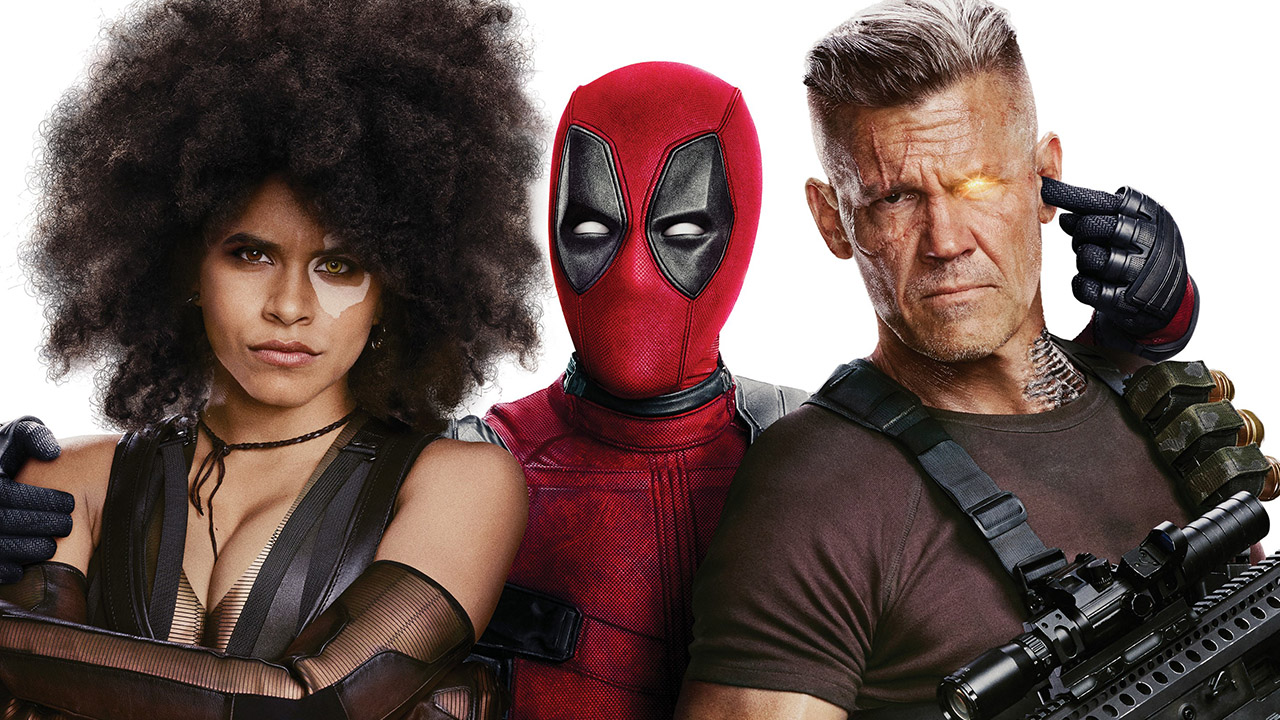
Strategic Cross-Promotion and Synergy
Deadpool’s marketing campaigns are legendary for their unconventional nature, from using Tinder to promote a film to appearing in unexpected talk shows. These campaigns function as decentralized marketing units. By engaging in high-impact, low-cost “guerrilla” marketing stunts, the brand keeps its CAC (Customer Acquisition Cost) low while maximizing organic reach. As the brand looks toward its next phase, these tactics must scale. We can expect to see deeper integration into digital spaces, leveraging short-form video content and viral interactive experiences that mimic the character’s hallmark unpredictability.
Sustainability in the Attention Economy
As the superhero genre faces “fatigue” in the current market, Deadpool finds itself in a unique position. The character’s longevity is not tied to a specific narrative arc but to his ability to mirror the cultural zeitgeist. The next stage of the brand’s evolution will likely focus on community-driven content and psychological positioning.
Moving from Passive Consumption to Active Participation
Modern brand strategy requires moving users from passive consumers to active participants. The Deadpool brand achieves this by inviting the audience into the joke. Whether it is through easter eggs, viral social media feuds, or interactive trailers, the brand treats its audience as stakeholders. For any brand, this engagement loop is the gold standard. When the customer feels like they are “in on the secret,” brand loyalty spikes, and churn rates decrease significantly. This is the foundation of community-led growth, where the brand itself becomes a platform for audience self-expression.
Long-Term Value and Intellectual Property Protection
Protecting a brand that thrives on chaos is a unique legal and strategic challenge. As Deadpool expands, the focus shifts to maintaining “brand quality control” without stifling creativity. This requires a strong brand architecture that allows for flexibility while keeping the core identity intact. Future iterations of the character will likely lean into serialized storytelling that bridges the gap between traditional film and digital-first experiences. By keeping the brand lean and culturally agile, the franchise avoids the “bloat” that often leads to the decline of long-running properties.
The Evolution of the Brand Icon
Looking forward, the “What’s Next” for Deadpool is essentially a case study in brand evolution. The character will continue to function as a mirror for the entertainment industry, reflecting shifts in audience tastes and corporate strategies.
The Role of Cultural Agility
To survive the next decade, the Deadpool brand must remain culturally agile. This means having the ability to react to real-time cultural trends, memes, and industry shifts faster than its competitors. A brand that can respond to a global event within hours—in character—demonstrates a level of operational efficiency and strategic intelligence that most organizations can only dream of. The goal is not just to sell a product, but to sell a perspective.

Setting the Standard for Future IP
The legacy of the Deadpool brand will be the blueprint it provides for future IP management. It proves that a brand does not need to be “safe” to be commercially viable. On the contrary, by leaning into its most polarizing attributes, the brand has created a protective moat of loyalists that few other properties can claim. As the brand evolves, the focus will remain on high-reward, high-risk positioning. This is the essential takeaway for any marketer or strategist: when the market becomes crowded with “safe” choices, the most effective competitive strategy is to embrace the edge.
In conclusion, the path ahead for Deadpool is one of carefully curated chaos. By balancing corporate scale with individualistic, disruptive marketing, the brand proves that it is not merely a transient trend, but a foundational pillar of modern entertainment strategy. For those studying the brand, the takeaway is clear: the future belongs to those who can master the art of the meta-conversation and maintain their identity, even—and especially—when the rest of the industry is demanding they conform. Deadpool is not just a character; it is a case study in how to remain relevant by constantly questioning the very framework in which you operate. As the market shifts, so too will the Merc, and as long as he continues to break the fourth wall, he will continue to break the rules of conventional brand success.
aViewFromTheCave is a participant in the Amazon Services LLC Associates Program, an affiliate advertising program designed to provide a means for sites to earn advertising fees by advertising and linking to Amazon.com. Amazon, the Amazon logo, AmazonSupply, and the AmazonSupply logo are trademarks of Amazon.com, Inc. or its affiliates. As an Amazon Associate we earn affiliate commissions from qualifying purchases.