
In an era defined by seamless digital interactions, the Personal Identification Number (PIN) remains one of the most critical, yet frequently misunderstood, layers of security in our daily lives. While we often view these four-to-six-digit sequences as mere nuisances—a hurdle to clear before withdrawing cash or unlocking a device—they serve as the fundamental gatekeepers of our digital and financial identity. Understanding what your PIN actually represents, how to manage it, and why its security is paramount is the first step in robust personal digital defense.
The Anatomy and Purpose of a PIN
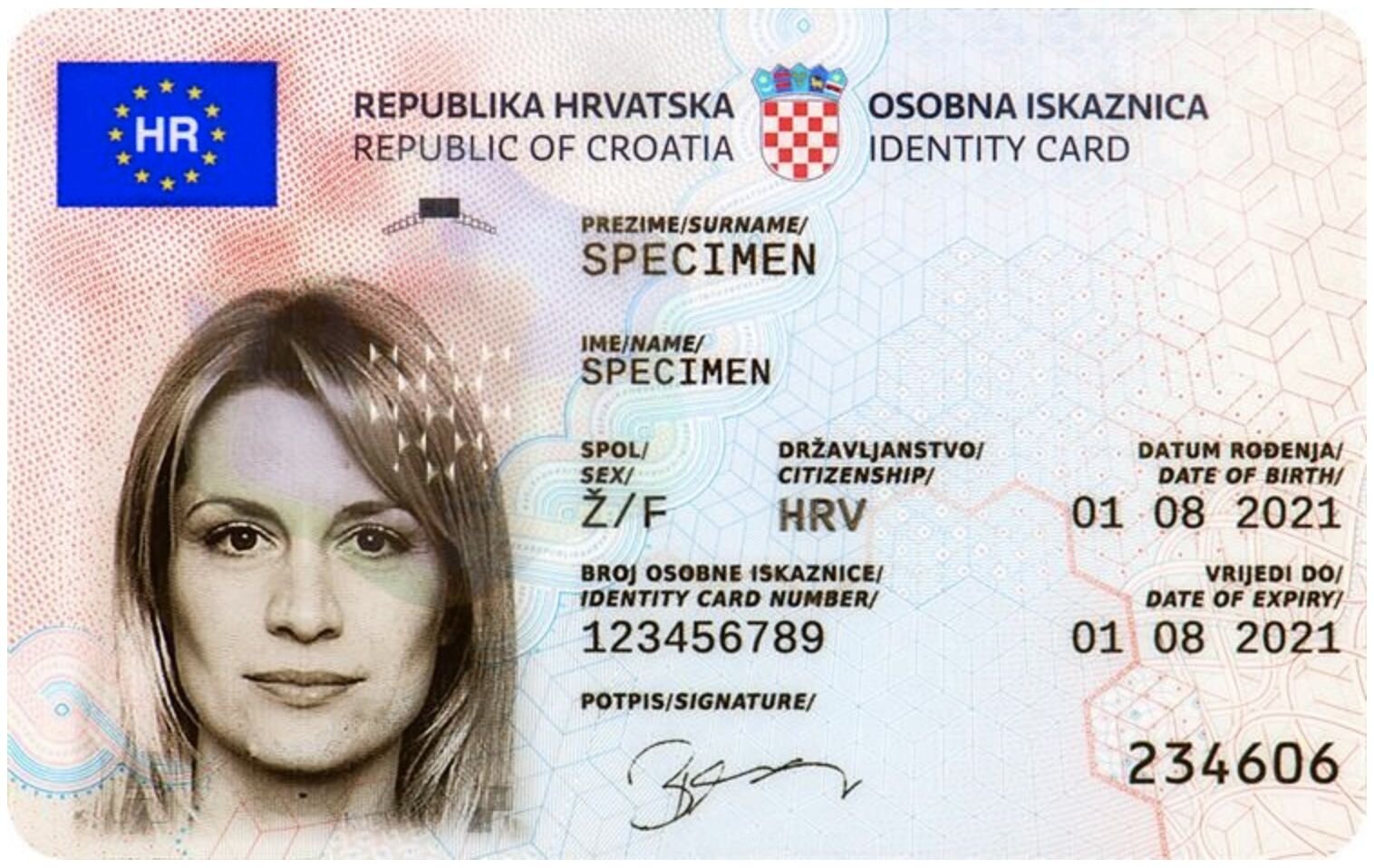
At its core, a Personal Identification Number is a numeric password shared between a user and a system. Unlike biometric data, such as a fingerprint or facial scan which is tied intrinsically to your physical being, a PIN is “knowledge-based authentication.” It verifies that you are who you claim to be because you are the only person who possesses the secret knowledge required to initiate a transaction or gain access to a platform.
Why Numbers Matter
The simplicity of a PIN is its greatest strength and its primary weakness. Because they are numeric, they are easily memorized, facilitating quick interactions at automated teller machines (ATMs) or during point-of-sale transactions. However, because humans are prone to patterns, this simplicity often leads to poor selection habits, such as using birth dates or sequential numbers.
The Cryptographic Bridge
When you enter your PIN into a terminal, the device does not store the number itself. Instead, the system uses complex mathematical algorithms to hash the value. When you provide your PIN, the system hashes your input and compares the result to the stored hash. This ensures that even if a database were compromised, the raw PINs are not readily available to attackers. Understanding that your PIN is the key to a cryptographic exchange highlights why protecting the entry process—and the number itself—is essential.
Vulnerabilities and Risk Management
The most significant risk to your PIN is not sophisticated software hacking, but rather “social engineering” and human error. Your PIN is only as secure as the person holding it and the environment in which it is used.
The Danger of Predictable Sequences
Data breach studies consistently reveal that a staggering percentage of users rely on the same few combinations. Sequences like “1234,” “1111,” or “0000” remain the most commonly used, despite being the first combinations tried by malicious actors using “brute-force” techniques. If your PIN is derived from public information—such as the last four digits of your social security number, your street address, or your birth year—you are essentially leaving the front door unlocked.
Over-the-Shoulder Threats
Physical security is often overlooked in the digital age. A common vector for PIN theft is “shoulder surfing,” where an unauthorized individual observes your fingers as you key in your code at a grocery store checkout or an ATM. Beyond physical observation, the use of hidden cameras or keypad overlays in compromised card-reading machines remains a persistent threat. Practicing “privacy shielding”—covering the keypad with your free hand while inputting your code—is an elementary yet highly effective defensive habit.
Best Practices for PIN Security and Management

Securing your PIN does not require a degree in cybersecurity; it requires consistency and the application of sound logic. By adopting a framework for managing your personal codes, you can significantly reduce the likelihood of unauthorized access.
The Principle of Uniqueness
Never reuse your PIN across different accounts or devices. If you use the same four digits for your debit card, your smartphone lock screen, and your home alarm system, a single compromise leads to a domino effect of security failures. Treat each PIN as a siloed secret. If one access point is breached, your entire digital and financial footprint remains protected.
Avoiding “Information-Based” Codes
A PIN should be entirely decoupled from your personal history. If a stranger can find information about you on social media or through a cursory public records search, that information should not appear in your PIN. Instead, treat your PIN as a random string. If you struggle to remember unique numbers for multiple devices, consider using a mnemonic device—such as a specific mathematical operation or a visual pattern on the keypad that is meaningless to outsiders.
Regular Audits and Rotation
Just as passwords should be updated, your PINs should undergo periodic rotation, especially if you suspect you may have been observed in a public space. If your card or device is reported missing, the PIN associated with it is effectively “burned.” Never attempt to use the same PIN on a replacement card; always reset the credential entirely to ensure that even if the previous card was skimmed, the new credentials remain secure.
The Future of Authentication and the Evolving PIN
While the four-digit PIN has been the standard for decades, the landscape of authentication is shifting. We are entering an era of “multi-factor authentication” (MFA) where the PIN is increasingly treated as just one of several necessary ingredients for access.
The Role of Biometrics
As biometric sensors—such as ultrasonic fingerprint scanners and 3D facial recognition—become ubiquitous, the reliance on a PIN is diminishing. However, security experts argue that biometrics should supplement, not replace, PINs. Biometrics are essentially “static” passwords; you cannot change your fingerprint if it is captured by a bad actor. In contrast, a PIN is “revocable.” If it is compromised, you can change it instantly. This makes the PIN an essential backup layer that will persist even as technology advances.
Tokenization and Contactless Security
The rise of mobile wallets like Apple Pay and Google Pay has transformed how we use PINs. In these systems, your actual card number and often the associated PIN are replaced by a “token”—a one-time-use digital surrogate. Even if the terminal you interact with is compromised, the attacker only gains a useless, one-time token rather than your actual credentials. This shift toward tokenization is perhaps the most significant advancement in protecting consumers from the consequences of a compromised PIN.
Conclusion: Taking Ownership of Your Access
Your Personal Identification Number is more than a string of digits; it is a vital boundary between your assets and the outside world. In a world where identity theft and financial fraud are increasingly automated, the small effort you put into selecting a complex PIN and protecting the manner in which you enter it pays dividends in security.
Treat your PIN with the same level of confidentiality as you would your passport or government-issued ID. Move away from predictable patterns, prioritize unique combinations for every device, and remain vigilant about the physical environments in which you authorize transactions. By integrating these habits into your daily digital hygiene, you transform a simple numeric code into a formidable line of defense, ensuring that your identity—and your finances—remain securely under your control. When the question “What is my PIN?” arises, the answer should always be a secret known only to you, shielded by robust habits, and guarded against the ever-evolving tactics of those who seek to bypass your security.
aViewFromTheCave is a participant in the Amazon Services LLC Associates Program, an affiliate advertising program designed to provide a means for sites to earn advertising fees by advertising and linking to Amazon.com. Amazon, the Amazon logo, AmazonSupply, and the AmazonSupply logo are trademarks of Amazon.com, Inc. or its affiliates. As an Amazon Associate we earn affiliate commissions from qualifying purchases.