
In the digital age, astrology has transitioned from the realm of printed almanacs and hand-drawn natal charts into the world of high-precision software engineering. For developers and UX designers, creating a “What’s My Moon Sign” calculator is more than just a nod to pop culture; it is an exercise in complex data handling, temporal mathematics, and responsive front-end design. As interest in personalized digital experiences grows, understanding the technical architecture behind these tools reveals how complex astronomical data is transformed into user-friendly web applications.
The Algorithmic Foundation: Converting Ephemeris Data into User Logic
At the core of any moon sign calculator lies a robust backend capable of processing astronomical coordinates. Unlike sun signs, which are calculated based on the Earth’s position relative to the sun (a relatively fixed annual cycle), the moon moves rapidly through the zodiac, changing signs approximately every two to three days.

Precision Timing and Time Zones
The most significant technical challenge in building a moon sign calculator is the conversion of user-provided timestamps into Universal Coordinated Time (UTC). Because the moon’s transition between signs occurs at an exact moment, a user born in New York and a user born in Tokyo at the same “local” clock time will have different moon signs.
Software engineers must utilize time-zone databases, such as the IANA Time Zone Database, to normalize user input. Failure to account for Daylight Savings Time (DST) historical shifts often results in “edge case” errors, where a user born on a cusp date receives the wrong calculation. Developers must implement backend logic that strictly validates the date, time, and precise geographic coordinates against an ephemeris—a table of data providing the positions of celestial objects at specific intervals.
Ephemeris Integration
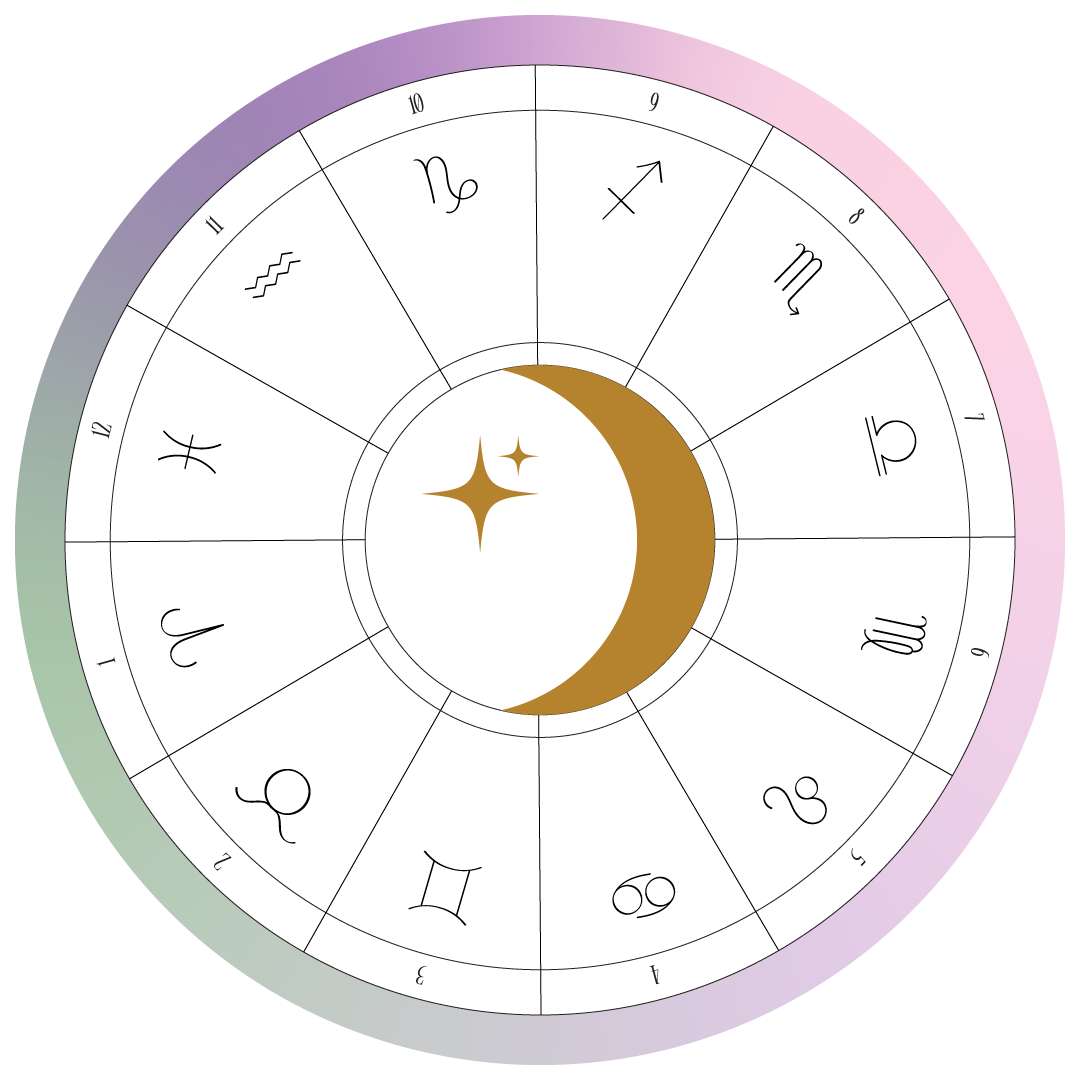
To build a functional tool, developers do not “calculate” the moon’s position from scratch using Newtonian physics; instead, they integrate high-fidelity ephemeris libraries like Swiss Ephemeris or open-source equivalents. These libraries provide the longitudinal data required to determine the moon’s exact degree within a zodiacal sign at any given millisecond. The application must perform a lookup function: taking the user’s normalized timestamp, requesting the moon’s longitude from the ephemeris database, and mapping that longitude (0 to 360 degrees) to one of the twelve 30-degree zodiacal segments.
UX Architecture: Designing for Engagement and Accessibility
While the backend logic is purely mathematical, the frontend represents the intersection of data visualization and user experience design. The challenge for developers is to render “esoteric” data in a way that feels intuitive and technologically sophisticated.
Responsive Data Input
The UI/UX for a moon sign calculator must be frictionless. Mobile-first design is imperative here, as a significant portion of users will access the tool through social media links or search engine results on smartphones. Modern web stacks, typically utilizing React or Vue.js, allow for “live” validation. As the user enters their birth data, the interface should provide immediate feedback, ensuring that the date format and location data are valid before the final API call is made.
Visualizing the Result
The final delivery of the moon sign shouldn’t just be a string of text. High-performing calculators often incorporate SVG-based iconography or dynamic CSS animations to represent the moon’s phase or the specific zodiac sign. By utilizing frameworks like D3.js, developers can create interactive charts that show the user where the moon was positioned in the sky relative to the zodiac belt at the time of their birth. This adds a layer of “digital craft” that elevates the tool from a simple form to an immersive experience.
Digital Security and Data Privacy in Astrology Apps
Any tool that requires a user to input sensitive personal information—specifically their date, time, and place of birth—falls under the umbrella of digital privacy concerns. These three data points, when combined with a name, are often sufficient to identify an individual, making them a target for data harvesting.
Minimizing Data Footprint
Professional-grade calculators prioritize privacy by design. The most secure implementations operate entirely on the client side (in-browser) using JavaScript. By pulling the ephemeris data into the browser’s cache upon page load and performing the calculation locally, the developer eliminates the need to transmit the user’s birth data to a server. This “Serverless Astrological Computing” model ensures that even if the website is breached, there is no database of personal birth records for hackers to exploit.
Ethical Data Handling
If a tool requires server-side processing for complex chart casting, the developer must implement robust encryption protocols. Standard practices include:
- TLS Encryption: Ensuring all data in transit is encrypted.
- Ephemeral Storage: Designing the database to automatically purge birth data logs after the calculation is displayed to the user.
- GDPR and CCPA Compliance: Clearly stating the purpose of data collection and providing users the right to “forget” their information.
In the tech space, building trust is as critical as the accuracy of the algorithm. By transparently documenting that no birth data is stored, developers can differentiate their tools from lower-quality apps that monetize user data.
Scaling the Tool: API Strategy and Performance Optimization
Once a moon sign calculator gains traction, the developer must address the scalability of the application. If the tool is intended to be used by thousands of simultaneous users, relying on a standard database lookup will lead to latency.
Caching Strategies
To optimize performance, developers can utilize a Redis caching layer. Since the moon’s position for a specific timestamp never changes, the results are highly cacheable. If a user inputs a birth date that has already been calculated by someone else, the server can return the result from the cache in milliseconds, drastically reducing the load on the ephemeris library.
Building an API-First Infrastructure
A forward-thinking approach to building a moon sign calculator is to develop an API-first architecture. By exposing the calculation logic via a REST or GraphQL API, developers can allow other platforms—such as lifestyle blogs, relationship apps, or mental health trackers—to integrate the functionality. This shifts the focus of the project from a “single-use website” to a “data service provider,” allowing the developer to monetize the utility through tiered API access, which is a common monetization strategy for niche technical tools.

Future-Proofing with Cloud Computing
For high-traffic tools, moving the computational workload to cloud functions (such as AWS Lambda or Google Cloud Functions) allows the service to scale automatically. When a viral trend spikes traffic, the cloud architecture spins up the necessary computing power to handle thousands of requests per second, ensuring the user experience remains seamless regardless of load.
The development of a “What’s My Moon Sign” calculator is a prime example of how niche subjects can drive sophisticated technical innovation. By combining high-precision astronomical libraries, secure frontend-heavy computing, and scalable API architecture, developers transform the abstract world of astrology into a precise, reliable, and secure digital product. This intersection of ancient belief systems and modern software engineering proves that even the most “mystical” inquiries can be addressed through the rigor of code, provided the architect understands the importance of data integrity, privacy, and user-centric design. As the demand for personalized digital content continues to rise, these tools will only grow more complex, integrating richer data sets and more interactive visualizations, further cementing the role of technology in decoding the human experience.
aViewFromTheCave is a participant in the Amazon Services LLC Associates Program, an affiliate advertising program designed to provide a means for sites to earn advertising fees by advertising and linking to Amazon.com. Amazon, the Amazon logo, AmazonSupply, and the AmazonSupply logo are trademarks of Amazon.com, Inc. or its affiliates. As an Amazon Associate we earn affiliate commissions from qualifying purchases.