
In the modern workforce, particularly within the healthcare sector, specialized titles often carry significant weight regarding professional scope, earning potential, and career trajectory. Among the most common acronyms encountered by job seekers, students, and healthcare administrators is “LPN.” For those navigating the professional landscape of nursing, understanding exactly what this designation signifies is the first step toward mapping out a successful clinical career.
Defining the LPN: Scope and Educational Requirements
At its core, LPN stands for Licensed Practical Nurse. This title represents a critical tier in the healthcare delivery system, serving as the vital link between patients, families, and Registered Nurses (RNs) or physicians.

The Foundational Training
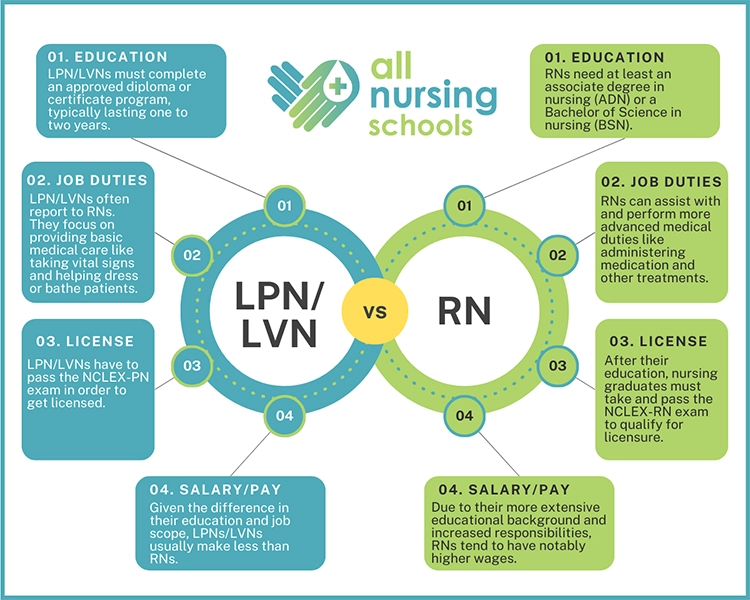
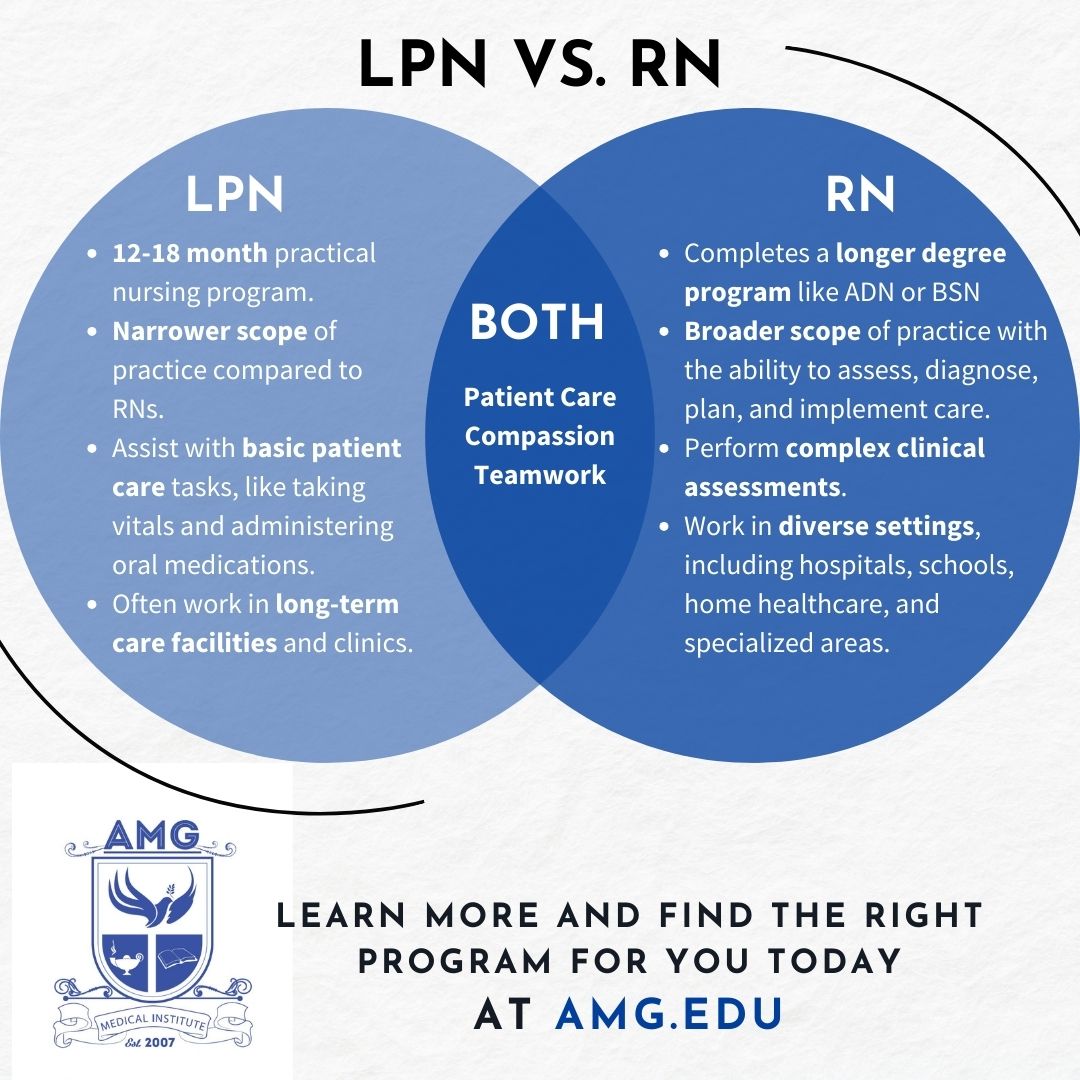
To earn the LPN designation, an individual must complete an accredited practical nursing program. Unlike the multi-year degree programs required for RNs, LPN programs are designed for efficiency and hands-on application. These programs typically last between 12 to 18 months and are often hosted at community colleges, technical schools, or vocational institutes.
The curriculum focuses on foundational clinical skills, including pharmacology, basic anatomy, physiology, and patient care techniques. Students receive instruction on how to monitor vital signs, dress wounds, and administer medication—essential functions that keep healthcare facilities running smoothly.
Licensure and Regulation
Completing a program is only the first step. To legally practice as an LPN, one must pass the National Council Licensure Examination for Practical Nurses (NCLEX-PN). This standardized exam ensures that every nurse meeting the designation has attained a baseline level of proficiency and safety. Because nursing is a state-regulated profession, each LPN must also obtain a license from the specific state board where they intend to work, ensuring they adhere to local practice acts and regulatory standards.
The Professional Role of the LPN in Modern Healthcare
The professional identity of an LPN is defined by clinical support and patient advocacy. While the scope of practice is more limited than that of an RN, the hands-on nature of the work means LPNs often spend the most time directly with patients.
Daily Responsibilities
The day-to-day life of an LPN is characterized by high engagement. Their responsibilities include:
- Monitoring Patient Status: Regularly checking and recording vitals, reporting changes in health to supervisors.
- Clinical Support: Administering injections, collecting samples for lab tests, and assisting in the insertion of catheters or the application of dressings.
- Documentation: Keeping meticulous medical records, ensuring that patient data is accurate and compliant with privacy regulations.
- Basic Care: Assisting patients with activities of daily living, such as bathing, dressing, and mobility, which is especially vital in long-term care environments.
The Collaborative Care Model
LPNs operate within a collaborative team structure. They are rarely the sole decision-makers in complex cases; instead, they work under the direct supervision of Registered Nurses, nurse practitioners, or doctors. This team-based approach ensures that the most critical clinical assessments are performed by those with the highest levels of education, while the LPN ensures that these care plans are executed consistently and humanely.
Career Pathways and the LPN-to-RN Transition
Many individuals view the LPN title not as a terminal destination, but as a strategic career launchpad. The professional identity of an LPN provides an excellent vantage point for those looking to advance into more complex clinical roles.
Financial and Market Stability
One of the primary benefits of the LPN career path is the relatively low barrier to entry compared to the high demand for nursing talent. In many regions, LPNs command competitive salaries and benefit from the stability of the healthcare industry. Because the training is shorter, LPNs can enter the workforce significantly faster than their peers in four-year university programs. This allows them to begin earning a full-time income and gaining real-world experience while deciding if they wish to pursue further education.
The Bridge to Advancement
The “LPN-to-RN” bridge program is one of the most common pathways in nursing education. Because LPNs have already completed clinical coursework and passed a licensure exam, many nursing schools offer accelerated programs that recognize their previous knowledge. By working as an LPN, an individual gains the financial independence to fund their continued education while building a resume that showcases clinical proficiency. This trajectory is highly valued by hospital hiring managers, who often prefer nurses who have “grown up” in the clinical environment.
The Versatility of the LPN License
While many associate nursing with hospital wards, the LPN designation offers surprising versatility. The professional brand of an LPN is one of adaptability, as these professionals are needed across a wide spectrum of care settings.
Beyond the Hospital
- Long-Term Care and Nursing Homes: This is the most common setting for LPNs. In residential care, the continuity of care provided by LPNs is the backbone of the facility.
- Home Health Agencies: As the population ages, more care is being shifted to the home. LPNs play a crucial role in providing hospice care or rehabilitation support for homebound patients.
- Physician Offices and Clinics: LPNs are frequently employed in outpatient settings to manage patient flow, perform vaccinations, and coordinate appointments.
- Specialized Facilities: From rehabilitation centers to psychiatric units and pediatric clinics, the LPN’s diverse training allows them to pivot between different specialties with relative ease.
Strategic Value in the Healthcare Ecosystem
Ultimately, the LPN designation is about essential, high-impact service. In an era of rapid technological advancement and rising patient care demands, the role of the Licensed Practical Nurse remains a cornerstone of the medical field. Their ability to deliver high-quality, attentive care under supervision makes them indispensable to the efficiency of any medical team.
For those considering a career in this sector, understanding what LPN stands for is about recognizing the blend of clinical rigor and patient-centered service. It is a career that balances the need for specialized knowledge with the demand for compassionate, hands-on action. By choosing this path, professionals secure a place in one of the most resilient and meaningful industries in the global economy, setting the stage for either a long-term career as a dedicated practical nurse or a springboard into higher levels of medical practice. Whether viewed as an entry point or a lifelong profession, the LPN remains a standard-bearer for practical, professional, and reliable care.
aViewFromTheCave is a participant in the Amazon Services LLC Associates Program, an affiliate advertising program designed to provide a means for sites to earn advertising fees by advertising and linking to Amazon.com. Amazon, the Amazon logo, AmazonSupply, and the AmazonSupply logo are trademarks of Amazon.com, Inc. or its affiliates. As an Amazon Associate we earn affiliate commissions from qualifying purchases.