
The Essence of Product Identity in a Saturated Market
In the competitive landscape of the global food industry, the emergence of labneh—a traditional Middle Eastern strained yogurt—serves as a compelling case study in brand transformation. For centuries, labneh was a household staple in Levantine kitchens, existing primarily as a generic commodity. However, its recent transition into the international culinary spotlight demonstrates how deliberate brand strategy can elevate a culturally specific product into a premium market contender. The journey of labneh from “a dairy item” to a “lifestyle choice” is not merely about the product itself; it is about the narrative, the visual identity, and the intentional positioning that companies use to redefine consumer perception.

When a brand introduces a legacy product to a new audience, it must balance authenticity with accessibility. Branding is the bridge between the heritage of a food item and the aspirations of the modern consumer. For labneh, this involved stripping away the “ethnic specialty” label and repositioning it as a versatile, health-conscious, and gourmet alternative to cream cheese or Greek yogurt. This shift is a masterclass in how corporate identity can dictate the success of a niche product in a globalized economy.
Crafting the Premium Narrative: Identity and Design
A brand is not just a logo; it is the total sum of the associations a consumer makes when they hear a name. In the case of premium labneh brands, the strategy has moved toward minimalist, clean-label design that emphasizes “purity,” “tradition,” and “artisan craftsmanship.” This aesthetic choice is a calculated marketing move to differentiate the product from mass-produced dairy, which often relies on artificial additives or overly complex packaging.
The Power of Visual Minimalism
The shift toward matte-finish packaging, elegant typography, and earth-toned color palettes is designed to communicate premium quality. In the supermarket aisle, the visual identity of a labneh container must signal to the shopper that this is a “clean” product. By utilizing design language commonly associated with high-end wellness brands, companies have successfully moved labneh out of the “ethnic foods” section and into the main dairy aisle. This is a critical branding maneuver: it removes the friction of discovery for new consumers and signals that the product is an everyday staple, not an occasional curiosity.
Storytelling as Competitive Advantage
Every successful modern brand requires a narrative arc. For labneh, the story often centers on “The Levant,” “Ancient Traditions,” and “Slow Food.” By framing labneh as a product of slow fermentation and age-old methods, brands provide a counter-narrative to the fast-paced, highly processed food industry. This storytelling is a vital component of brand strategy—it creates a psychological connection between the consumer’s desire for authenticity and the product they purchase. It turns a simple bowl of strained yogurt into an experience of cultural appreciation.
Strategic Marketing: Redefining Consumer Behavior
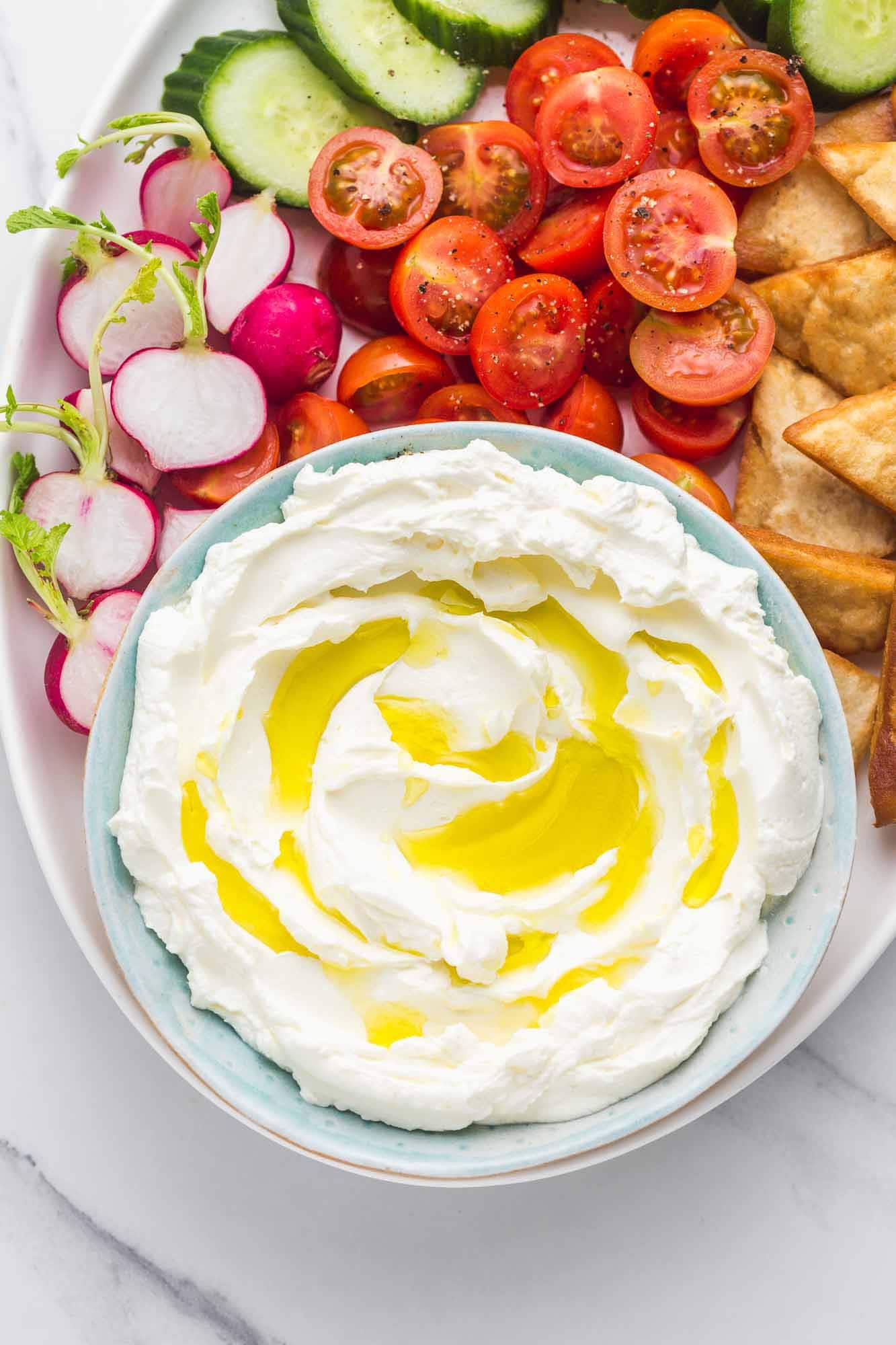
Marketing a product like labneh requires a multi-pronged approach that targets both the culinary adventurous and the health-conscious demographics. The transition from a regional ingredient to a global phenomenon relied on identifying specific “use cases” that resonated with the lifestyle of modern buyers.
Leveraging Influencer and Culinary Partnerships
The role of social media in the brand-building process for labneh cannot be overstated. By partnering with food stylists, recipe developers, and wellness influencers, brands have successfully showcased the product’s versatility. The visual appeal of labneh—often swirled with olive oil, za’atar, and vibrant spices—makes it “Instagrammable.” This social currency is a core pillar of modern digital marketing. When a brand controls the visual conversation, it dictates how the consumer interacts with the product. Brands that have successfully launched labneh in new markets focused heavily on the “serve” component: how it should be presented, what it pairs with, and why it is superior to current market alternatives.
Positioned as the “Better-For-You” Alternative
One of the most effective brand strategies for labneh has been its alignment with the “Better-For-You” (BFY) food category. By highlighting the high protein content, probiotic benefits, and lower fat density compared to traditional spreads, brands have marketed labneh as a functional food. This is an essential aspect of corporate identity—aligning the product with the prevailing consumer health trends. When a brand positions itself as a solution to a consumer’s health goals, it moves from being a discretionary purchase to a necessary inclusion in the weekly shopping cart.
The Scalability of Heritage Products: Case Studies in Expansion
The scaling of a traditional, artisanal product into a mass-market brand is fraught with challenges, primarily regarding the preservation of the “authentic” identity. As companies move from regional artisanal production to industrial-scale distribution, the brand strategy must evolve to maintain the illusion—or reality—of quality.
Maintaining Authenticity During Scale
The tension between industrial efficiency and artisanal perception is where many brands falter. Successful labneh brands have maintained their market share by doubling down on transparency. They emphasize the origin of the milk, the length of the straining process, and the absence of preservatives. This transparency is a key element of corporate identity; it builds trust. Trust is the most valuable asset in food branding because once a consumer perceives a product to be “commercially compromised,” the brand equity diminishes rapidly.
The Role of Market Segmentation
Not all labneh is marketed to the same demographic. We see a clear bifurcation in the market:
- The Artisanal Tier: Small-batch, locally sourced, sold in high-end specialty boutiques, often at a premium price point. The strategy here is scarcity and exclusivity.
- The Lifestyle Tier: Broad distribution, focused on fitness-oriented grocery chains, emphasizing protein and probiotics. The strategy here is convenience and wellness.
Both tiers use different marketing levers, yet both are effective at building a loyal base. Understanding the segment is key to defining the brand voice. For instance, a brand targeting the “lifestyle” segment will focus on macros and daily breakfast routines, whereas the “artisanal” segment will focus on the provenance of the ingredients and the heritage of the recipe.

Future Prospects: The Evolution of the Niche
As the food market continues to evolve, the branding of traditional staples like labneh will likely shift toward sustainability and ethical production. Future-forward brand strategy will incorporate supply chain transparency—proving that the product is as ethical as it is delicious.
The successful branding of labneh proves a fundamental principle of business: a product is only as valuable as the identity its creators assign to it. Whether it is through sleek design, compelling storytelling, or tactical influencer partnerships, labneh has demonstrated that traditional ingredients can find a home in the modern, globalized palate if they are branded with precision and purpose. For any brand manager or entrepreneur, the lesson is clear: identity is the most critical ingredient in the recipe for market success. By respecting the roots of the product while adapting the delivery to meet contemporary values, labneh has successfully transitioned from a regional secret to a global culinary standard. The strategy behind this transition serves as a blueprint for any legacy product seeking to break into new, demanding markets.
aViewFromTheCave is a participant in the Amazon Services LLC Associates Program, an affiliate advertising program designed to provide a means for sites to earn advertising fees by advertising and linking to Amazon.com. Amazon, the Amazon logo, AmazonSupply, and the AmazonSupply logo are trademarks of Amazon.com, Inc. or its affiliates. As an Amazon Associate we earn affiliate commissions from qualifying purchases.