
In the fast-paced world of entertainment, few figures have managed to curate a brand as resilient and multifaceted as Rickey Smiley. From his roots in stand-up comedy to his ubiquity in the morning radio syndication landscape, Smiley serves as a masterclass in personal branding. For professionals looking to understand how to maintain relevance across decades, analyzing the evolution of the Rickey Smiley brand provides essential insights into brand strategy, audience engagement, and long-term positioning.
The Foundation of a Legacy Brand
Every successful personal brand begins with a core identity, and for Rickey Smiley, that foundation was built on relatability and character comedy. Unlike many comedians who rely solely on observational humor, Smiley utilized a unique blend of prank calls and recurring character sketches to create a distinct intellectual property.

Consistency as a Branding Pillar
Smiley’s rise was not an overnight success but a result of rigorous brand consistency. By utilizing a recognizable delivery style and specific catchphrases, he established an auditory brand identity that allowed him to transition seamlessly from the stage to the airwaves. In personal branding, this is known as “signature value.” When an audience knows exactly what to expect from a brand—whether it is the comedic timing, the Southern charm, or the specific cultural references—the brand creates a moat around itself, insulating it from market volatility.
Leveraging Multi-Platform Reach
The strategy behind the “Rickey Smiley Morning Show” was a stroke of branding genius that utilized the power of syndication to anchor his presence in the daily lives of his audience. By positioning himself as a primary source for morning infotainment, he moved beyond being a “personality” and became a “companion.” This level of intimacy is the gold standard in marketing; it transforms a consumer (a listener) into a stakeholder in the brand’s daily journey.
Strategic Evolution: Staying Relevant in a Digital Age
A common pitfall for long-standing brands is stagnation. As the media landscape shifted from traditional FM radio to digital streaming, podcasts, and social media, Smiley faced the same threat as any corporate entity: the risk of becoming obsolete. His pivot, however, demonstrates a sophisticated understanding of brand expansion.
Transmedia Storytelling and Content Diversification
Smiley’s evolution has been defined by his ability to move his audience across platforms. When he appears on television, produces digital sketches, or engages on social media, he is not just “doing media”; he is executing a sophisticated content strategy. He understands that his audience is fragmented, so he meets them where they are. This is a core tenant of modern brand strategy: you do not force your audience to find you; you distribute your brand identity across multiple touchpoints to maintain top-of-mind awareness.
Authenticity as a Competitive Advantage
In the era of curated social media, consumers crave authenticity. Rickey Smiley has navigated this by being remarkably transparent about his life, his family, and his challenges. By weaving his personal narrative—including the tragic loss of his son and his ongoing journey as a father—into his public persona, he has deepened the emotional connection with his audience. In brand strategy terms, this is “humanization.” It moves a brand from a transactional state (I listen to him because he is funny) to a relational state (I support him because I empathize with his journey).
Navigating Crises and Brand Preservation
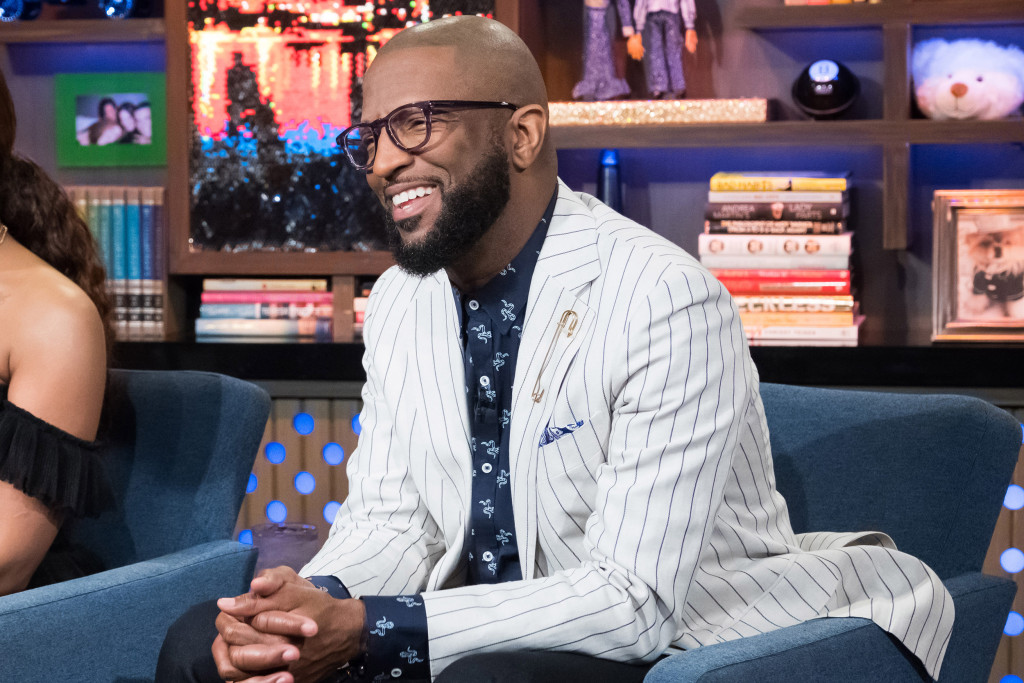
No brand is immune to crisis, and Smiley’s journey has been punctuated by personal and professional trials. The way a personal brand handles these moments determines its long-term viability. For Smiley, the approach has been rooted in grace and community engagement, which serves as a vital lesson in crisis management and reputation maintenance.
The Role of Community and Corporate Responsibility
Smiley’s brand is not merely about comedy; it is tied to his philanthropic efforts and his commitment to his community. By aligning his personal brand with positive social impact, he creates a “halo effect.” When a brand is perceived as a contributor to the greater good, the public is more forgiving during times of difficulty and more loyal during times of success. This is a critical component of corporate identity—ensuring that the brand stands for something larger than the product it sells.
Maintaining Integrity in the Public Eye
When individuals reach a certain level of fame, their personal brand becomes a corporate asset. Smiley’s ability to remain “on-brand” even when the spotlight is intense is a result of a disciplined approach to public relations. He manages his narrative rather than letting his narrative manage him. By proactively engaging with his audience during difficult times, he maintains control over his brand story, preventing rumors or external narratives from defining his legacy.
The Future of the Smiley Brand Ecosystem
As we look at the current trajectory of Rickey Smiley, we see a brand that is transitioning from a high-output content creator to an established institution. This shift is common for brands that have achieved “legacy status.”
Succession and Brand Scalability
The challenge for any personal brand reaching this stage is scalability. How does the brand survive without the constant, day-to-day output of the individual? Smiley’s strategy of mentoring new talent and expanding the footprint of his morning show suggests a move toward becoming a platform. By elevating the members of his team, he is ensuring that the “Rickey Smiley” brand becomes an ecosystem that can sustain itself through collective contributions, rather than relying solely on the individual’s effort.
Strategic Monetization and Brand Partnerships
As an established entity, the brand has shifted toward high-level monetization through syndication deals, brand partnerships, and media production. This demonstrates a mature understanding of business finance. A personal brand that survives as long as Smiley’s has moved past simple performance fees; it now operates as a content house. Every interview, every viral clip, and every endorsement is a measured move to increase the valuation of the brand’s intellectual property.

Lessons for Professionals and Personal Brands
The “Rickey Smiley” phenomenon offers three key takeaways for anyone attempting to build a long-term brand in a competitive environment:
- Invest in Core Identity: Know exactly what you provide that no one else can replicate. For Smiley, it was the synthesis of character comedy and rhythmic storytelling. Find your unique identifier and lean into it.
- Prioritize Relationship Over Transaction: The goal of your branding should not just be to get a “click” or a “sale,” but to secure a spot in your audience’s daily routine. When you become a habit, your brand longevity is virtually guaranteed.
- Adapt or Pivot: Never fall in love with your own methodology. If the platform changes, change your delivery, but keep the core essence of your brand intact. Whether it is radio, television, or social media, the medium changes, but the brand’s promise to the audience remains the same.
In conclusion, what is going on with Rickey Smiley is a masterclass in sustained relevance. By balancing personal authenticity with professional discipline and a keen eye for platform evolution, he has ensured that his brand remains a dominant force in the entertainment industry. He serves as a reminder that branding is not about who is the loudest in the room, but who has built the deepest connection with their community. Through every trial and every transition, his ability to stay true to his core identity while adapting to the needs of a modern audience remains the true secret to his enduring success.
aViewFromTheCave is a participant in the Amazon Services LLC Associates Program, an affiliate advertising program designed to provide a means for sites to earn advertising fees by advertising and linking to Amazon.com. Amazon, the Amazon logo, AmazonSupply, and the AmazonSupply logo are trademarks of Amazon.com, Inc. or its affiliates. As an Amazon Associate we earn affiliate commissions from qualifying purchases.