
Skin color, that fundamental aspect of human variation, has captivated humanity for millennia. From intricate artistic portrayals to scientific inquiries, the pigments that paint our skin have been a source of wonder and, at times, misunderstanding. While often simplified to a matter of genetics, the creation of skin color is a complex interplay of biological processes, evolutionary pressures, and even technological advancements that allow us to understand it better. This article delves into the fascinating science behind what creates skin color, exploring the key players, their evolutionary significance, and how modern technology helps us unravel these biological mysteries.

The Pigment Powerhouse: Melanin and Its Role
At the heart of skin color determination lies a pigment called melanin. Produced by specialized cells within our skin called melanocytes, melanin is the primary determinant of the hues we observe, ranging from pale ivory to deep ebony. Understanding melanin production is crucial to understanding skin color.
The Two Forms of Melanin
There are two main types of melanin that contribute to the spectrum of human skin tones:
- Eumelanin: This is the dominant pigment responsible for brown and black shades. The amount and type of eumelanin produced dictate whether skin appears light brown, dark brown, or black. Higher concentrations of eumelanin lead to darker skin tones.
- Pheomelanin: This pigment produces red and yellow tones. While present in all individuals, its presence is more noticeable in people with lighter skin, contributing to red hair and freckles. Pheomelanin is generally less protective against UV radiation than eumelanin.
The relative proportions and total amounts of eumelanin and pheomelanin produced by melanocytes in the epidermis (the outermost layer of skin) are genetically determined. However, the activity of these melanocytes and the distribution of melanin granules within skin cells are influenced by environmental factors, primarily exposure to ultraviolet (UV) radiation from the sun.
Melanocytes: The Skin’s Pigment Factories
Melanocytes are fascinating cells. They are primarily located in the basal layer of the epidermis. Once melanin is synthesized within melanocytes, it’s packaged into small vesicles called melanosomes. These melanosomes are then transferred to neighboring keratinocytes, the predominant cell type in the epidermis. This transfer process is vital because it ensures that the melanin is distributed evenly throughout the skin, providing a protective shield against UV damage. The density and size of these melanosomes, along with the number of melanocytes, contribute significantly to the observed color of an individual’s skin.
Evolutionary Drivers: Adapting to Sunlight
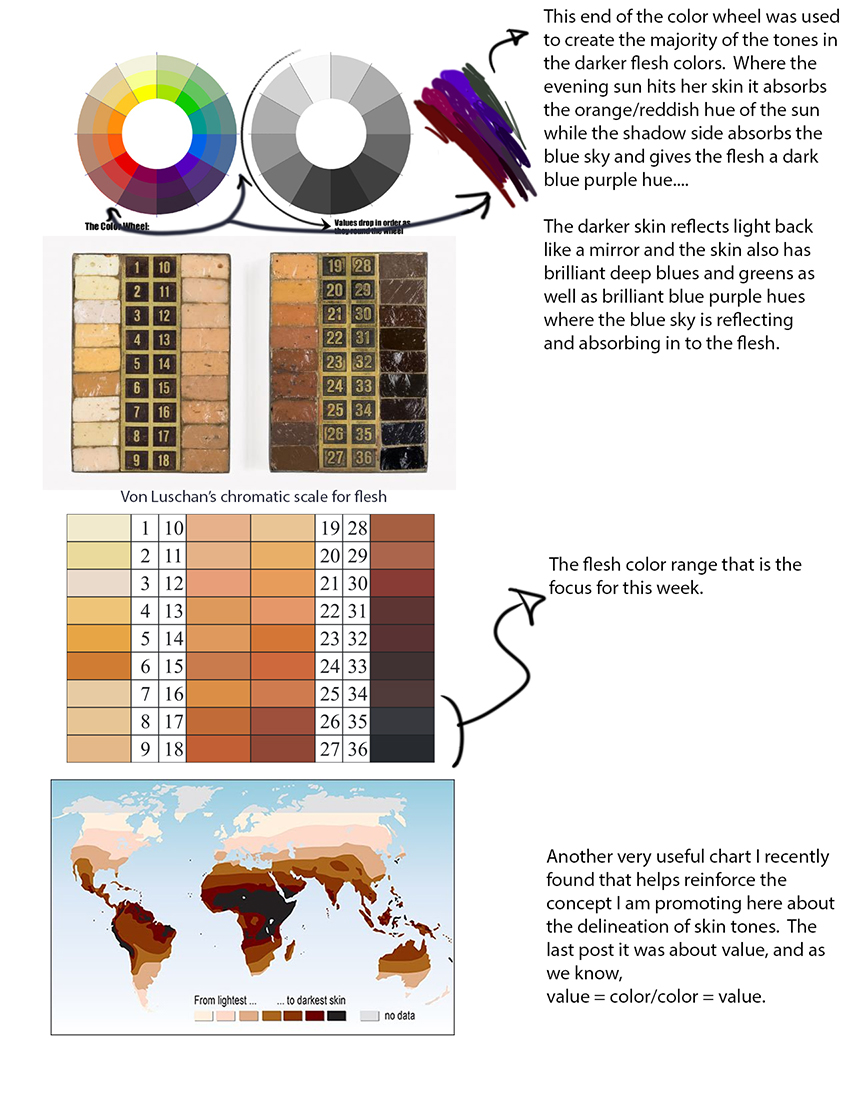
The remarkable diversity of human skin color across the globe is not a random phenomenon. It is a testament to the power of natural selection, with the intensity of UV radiation in different geographical regions acting as a primary selective pressure. Our evolutionary journey has shaped skin color to optimize vitamin D synthesis and protect against the damaging effects of the sun.
The Vitamin D Dilemma
Vitamin D is essential for bone health, immune function, and numerous other bodily processes. Our bodies synthesize vitamin D when our skin is exposed to UVB radiation from the sun. This creates an evolutionary “dilemma”:
- In regions with high UV radiation (near the equator): Darker skin, rich in eumelanin, evolved. The abundant melanin acts as a natural sunscreen, effectively blocking excessive UV rays. While this protects against UV damage like sunburn and skin cancer, it also reduces the amount of UVB that penetrates the skin, thus limiting vitamin D synthesis. However, in these sun-drenched environments, the ample UV exposure ensures sufficient vitamin D production even with darker skin.
- In regions with low UV radiation (further from the equator): Lighter skin evolved. Less melanin allows more UVB to penetrate the skin, facilitating adequate vitamin D synthesis in environments where sunlight is scarce. While lighter skin is more susceptible to sunburn and UV-induced DNA damage, the risk of vitamin D deficiency was a more significant threat to survival and reproduction in these regions.

This evolutionary balancing act highlights how skin color is a remarkable adaptation, optimizing survival and reproductive success in diverse environmental conditions.
Beyond UV: Other Potential Influences
While UV radiation is the most well-established evolutionary driver of skin color variation, other factors may have played a role:
- Sexual Selection: In some societies, lighter or darker skin might have been preferred for aesthetic reasons, influencing mate choice and, consequently, the prevalence of certain skin tones within populations.
- Dietary Adaptations: While less directly linked to pigment, dietary availability of vitamin D precursors might have also influenced the selective pressure for or against skin pigmentation in certain populations.
The intricate relationship between skin color and UV exposure is a prime example of how evolution sculpts biological traits to meet the challenges of our environment.
Technological Insights: Unraveling the Genetic Code
While the evolutionary and biological mechanisms of skin color are fascinating, it’s modern technology that allows us to delve deeper into the genetic underpinnings and understand the intricate molecular pathways involved. From advanced microscopy to sophisticated genetic sequencing, technology has revolutionized our understanding of what creates skin color.
Genetic Engineering and Molecular Biology
Technological advancements in molecular biology and genetics have enabled scientists to:
- Identify Key Genes: Researchers have identified numerous genes that influence melanin production, transfer, and distribution. Genes like MC1R (Melanocortin 1 Receptor) are well-known for their significant impact on skin and hair color variation. Mutations in MC1R can lead to differences in the type and amount of melanin produced, explaining variations in skin tone and red hair.
- Understand Gene Regulation: Technology allows us to study how these genes are regulated, meaning what signals tell them to turn on or off, and how intensely they are expressed. This provides a detailed molecular blueprint of melanogenesis (melanin production).
- CRISPR and Gene Editing: Emerging technologies like CRISPR-Cas9 gene editing offer unprecedented precision in studying gene function. While still largely in the research phase for human applications related to pigmentation, these tools could theoretically be used to investigate the precise role of individual genes in melanin synthesis and to explore potential therapeutic avenues for pigmentation disorders.
Imaging and Spectrophotometry
Beyond the genetic level, technology plays a crucial role in analyzing and quantifying skin color in living individuals:
- Spectrophotometry: This technique uses light to measure the absorption and reflection properties of skin. It provides objective and quantitative data on skin pigmentation and can be used to assess the impact of UV exposure, evaluate the effectiveness of skincare products, and study skin conditions.
- Advanced Microscopy: Techniques like confocal microscopy allow researchers to visualize melanocytes and melanosomes within the skin at a cellular and subcellular level. This provides insights into how melanin is produced, packaged, and transferred, offering a direct view of the “pigment factories” at work.
- Digital Photography and Image Analysis: Standardized digital photography coupled with sophisticated image analysis software can be used to assess skin tone, the presence of pigmentation irregularities, and the degree of tanning. This is valuable in both clinical settings and research studies.
The Intersection of Tech and Understanding
The convergence of these technological tools allows for a holistic understanding of skin color. We can now correlate genetic predispositions with observable pigmentation, track the physiological responses of the skin to environmental stimuli like UV radiation, and even begin to explore the potential for technological intervention. This ongoing technological advancement continues to illuminate the complex biological symphony that creates the diverse and beautiful spectrum of human skin color. From understanding the fundamental genetic instructions to observing the real-time physiological responses, technology is an indispensable partner in our quest to answer the question: what creates skin color?
aViewFromTheCave is a participant in the Amazon Services LLC Associates Program, an affiliate advertising program designed to provide a means for sites to earn advertising fees by advertising and linking to Amazon.com. Amazon, the Amazon logo, AmazonSupply, and the AmazonSupply logo are trademarks of Amazon.com, Inc. or its affiliates. As an Amazon Associate we earn affiliate commissions from qualifying purchases.