
Understanding the nuances of your menstrual cycle is a fundamental aspect of personal health management. While popular culture often equates a “late” period with pregnancy, the biological reality is significantly more complex. In the realm of personal wellness and body literacy, recognizing when a cycle is medically considered late—and understanding the factors that influence this timeline—is essential for informed self-care.
Defining the Typical Menstrual Cycle
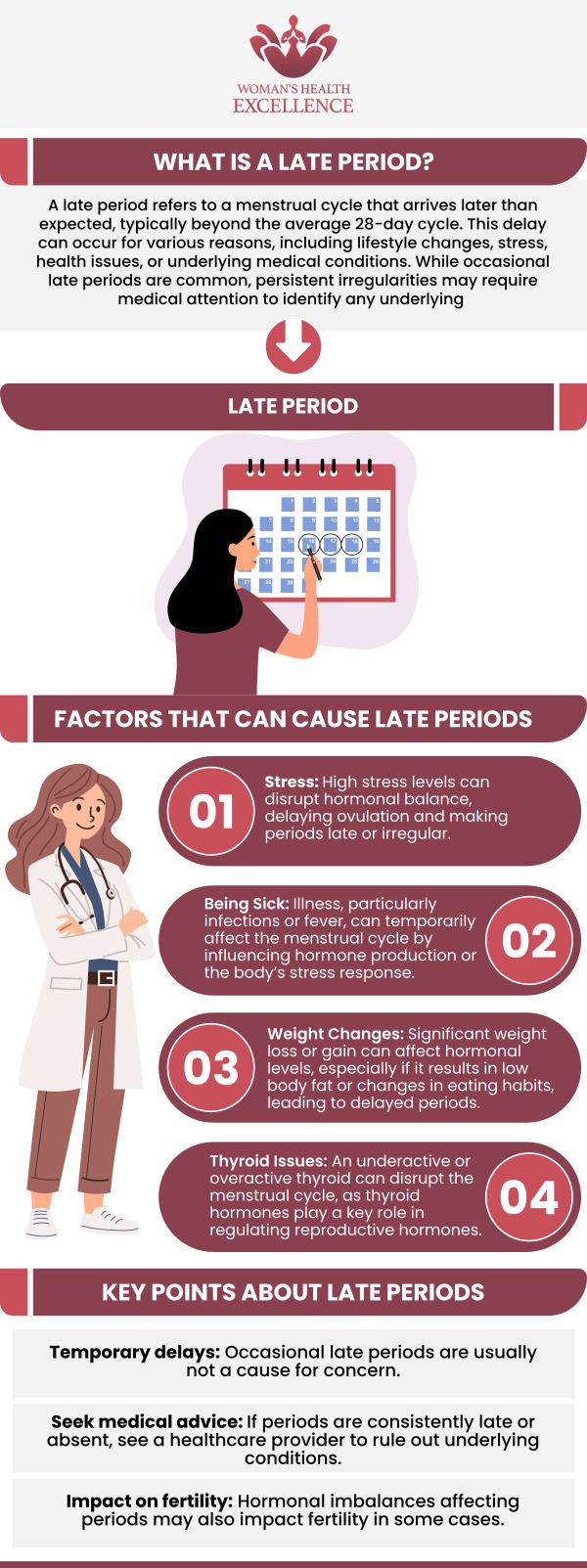
To determine if a period is truly “late,” one must first establish a baseline for a “normal” cycle. The menstrual cycle is measured from the first day of one period to the first day of the next. While the societal standard is often cited as 28 days, this is merely an average, not a rigid rule.
The Variance of Normalcy
A healthy menstrual cycle typically ranges between 21 and 35 days for adults, and anywhere from 21 to 45 days for adolescents. Consistency is generally more indicative of health than hitting an exact day count. If your cycles usually last 32 days, and you are currently on day 34, you are technically experiencing a variation, but not necessarily a clinical delay.
Tracking as a Diagnostic Tool
The most effective way to identify a late period is through diligent cycle tracking. By utilizing apps or manual calendars, you can determine your individual average cycle length over the course of six months to a year. A period is generally considered “late” if it has not arrived more than five to seven days after your anticipated start date based on your established personal cycle history.
Common Physiological Triggers for Cycle Shifts
When a period is legitimately late, it is rarely a sign of a single, catastrophic event. Instead, the hypothalamic-pituitary-ovarian axis—the communication loop between your brain and your reproductive system—is highly sensitive to external and internal stressors. Even minor shifts in your lifestyle can cause this axis to pause or delay ovulation, which subsequently pushes back the start of your period.
The Impact of Stress
The body prioritizes survival over reproduction. During periods of high psychological or physical stress, the body releases cortisol. This hormone can interfere with the production of gonadotropin-releasing hormone (GnRH), the chemical messenger that signals the ovaries to prepare for ovulation. If ovulation is delayed, the subsequent period is delayed by the exact same amount of time.
Fluctuations in Routine and Environment
Significant changes to your daily rhythm can also trigger a delay. This includes:
- Travel and Time Zones: Circadian rhythm disruptions can temporarily confuse the hormonal signals that regulate the cycle.
- Dietary Shifts: Rapid weight loss, caloric restriction, or intense changes in macronutrient intake can signal to the body that it is not an ideal time for reproduction, leading the body to suppress the cycle.
- Sleep Deprivation: Chronic lack of sleep affects melatonin levels, which has a secondary impact on the timing of reproductive hormones.
Excessive Physical Exertion
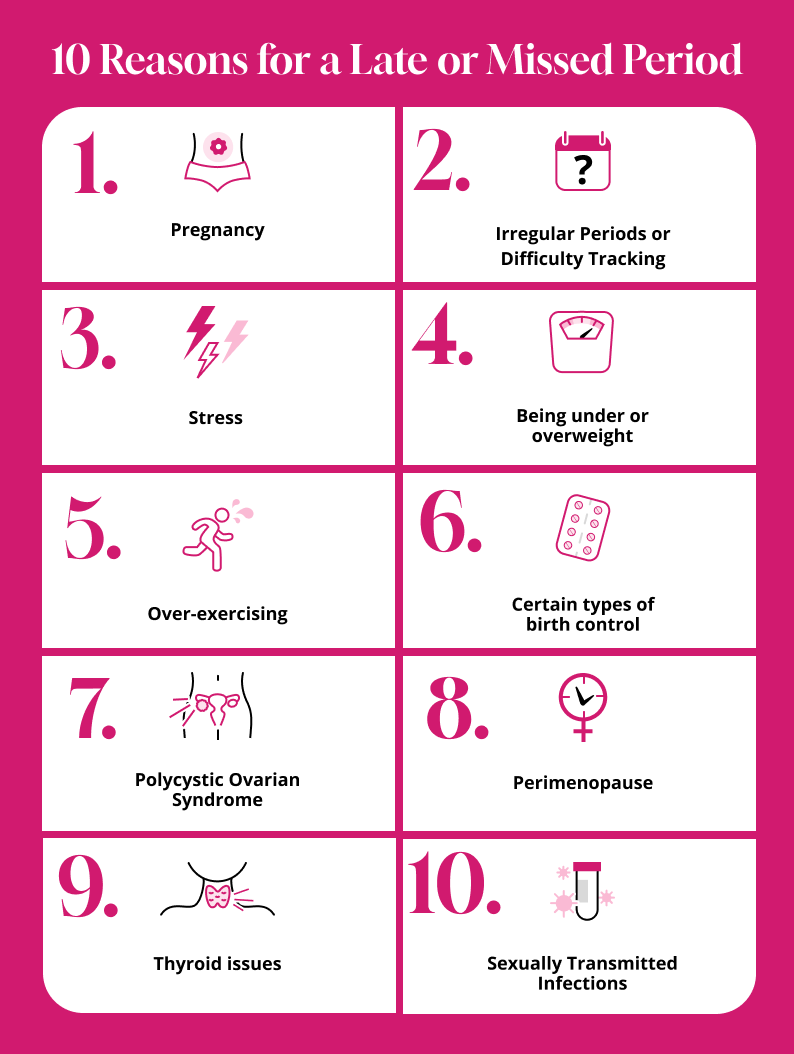
While moderate exercise is beneficial, sudden increases in high-intensity training can place the body under significant stress. This is often referred to as “exercise-induced amenorrhea” or temporary cycle delay, particularly common in endurance athletes or those training for high-impact events without adequate nutritional support.
Identifying When to Consult a Professional
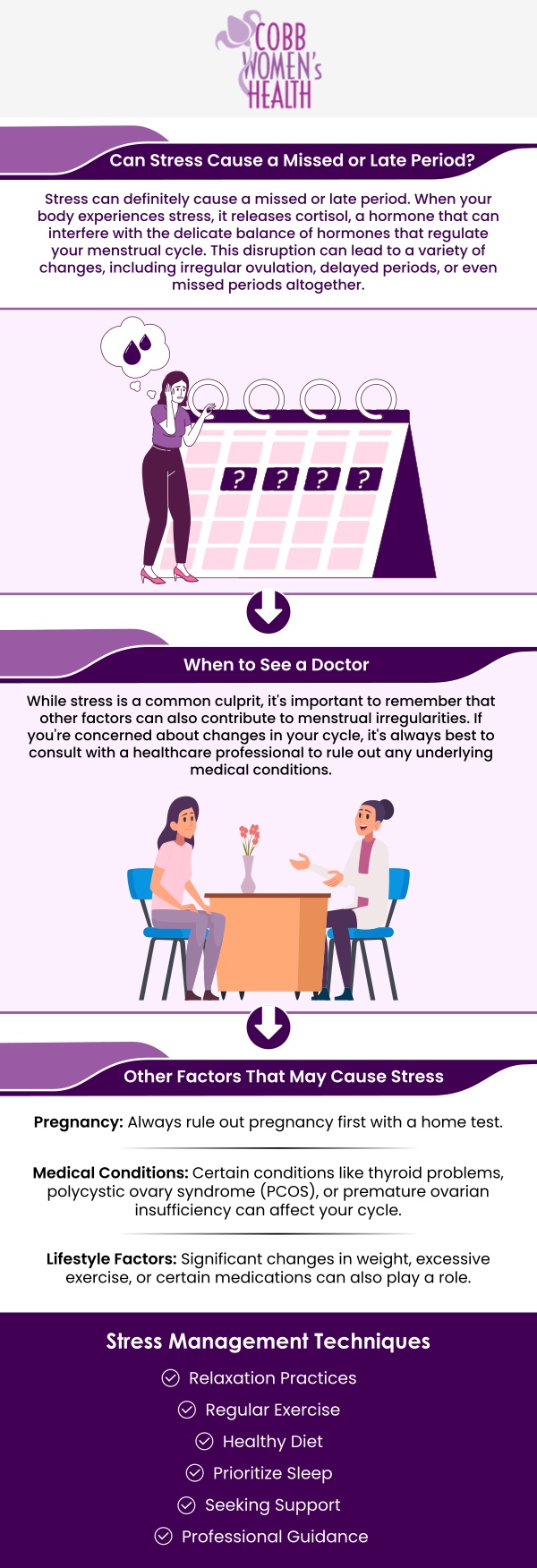
While the occasional late period is common and usually benign, there are specific circumstances under which a cycle delay warrants medical attention. Recognizing these “red flags” can help differentiate between a typical hormonal fluctuation and an underlying condition requiring intervention.
Persistent Irregularity
If your cycles are consistently unpredictable—meaning they fluctuate wildly beyond the 21–35 day range—you may be dealing with underlying hormonal imbalances. Conditions such as Polycystic Ovary Syndrome (PCOS) are characterized by infrequent or irregular periods and often require diagnostic blood panels or pelvic ultrasounds to confirm.
The “Three-Cycle” Rule
A general rule of thumb for many gynecologists is to seek consultation if you have missed three consecutive periods (amenorrhea) or if you are consistently experiencing cycles that vary by more than 7–9 days each month. This level of irregularity makes it difficult to track reproductive health and may indicate thyroid dysfunction, elevated prolactin levels, or other metabolic imbalances.
Accompanying Symptoms
A late period that is accompanied by other physical symptoms should be addressed with a healthcare provider. Pay attention to:
- Severe Pelvic Pain: This could indicate ectopic pregnancy, ovarian cysts, or endometriosis.
- Unexpected Hirsutism or Acne: Significant hormonal shifts might be manifesting physically in ways that suggest androgen dominance.
- Unexplained Weight Changes: Rapid weight gain or loss, paired with cycle delays, often points toward endocrine issues, such as thyroid disorders.
The Role of Lifestyle and Preventative Monitoring
Proactive cycle health is about creating an environment where your body feels safe enough to maintain a consistent rhythm. While you cannot control every stressor in your life, you can implement strategies to support hormonal balance and minimize unnecessary cycle disruptions.
Nutritional Foundations
Hormones are built from specific precursors, including healthy fats and cholesterol. A diet that is severely deficient in fats or overall calories can cause the body to downregulate reproductive hormone production. Ensuring a balance of complex carbohydrates, proteins, and healthy fats provides the endocrine system with the raw materials needed to maintain a regular cycle.
Managing Cortisol Levels
Since stress is the primary enemy of cycle regularity, mindfulness practices are not just for mental health—they are tools for physical regulation. Techniques that activate the parasympathetic nervous system, such as yoga, meditation, or consistent sleep hygiene, can mitigate the hormonal impact of high-stress work or life environments.
The Importance of Documentation
Beyond just tracking the date, document your symptoms. Note instances of breast tenderness, bloating, mood swings, or skin changes. If you eventually need to visit a doctor, this data becomes invaluable. It allows a medical professional to see a pattern rather than an isolated incident, facilitating a much more efficient diagnosis.
Conclusion: Normalizing the Conversation
In a world that prizes efficiency and predictability, it is easy to view a late period as a failure of the body or a source of anxiety. In reality, the menstrual cycle is a dynamic, responsive biological process. It is constantly adjusting based on the data it receives from your internal and external environment.
A late period is often just your body’s way of hitting the “pause” button while it processes stress, recovers from illness, or adjusts to a new routine. By monitoring your personal patterns, understanding the common physiological drivers behind delays, and knowing when to seek professional guidance, you transform your cycle from a mystery to a reliable metric of your overall health. Treating your body with grace during these fluctuations is not only recommended—it is a vital component of holistic wellness. When you listen to the signals your body provides, you gain the agency to support your health in ways that are sustainable, informed, and truly personal.
aViewFromTheCave is a participant in the Amazon Services LLC Associates Program, an affiliate advertising program designed to provide a means for sites to earn advertising fees by advertising and linking to Amazon.com. Amazon, the Amazon logo, AmazonSupply, and the AmazonSupply logo are trademarks of Amazon.com, Inc. or its affiliates. As an Amazon Associate we earn affiliate commissions from qualifying purchases.