
The history of Coca-Cola Zero Sugar—commonly referred to as Coke Zero—is a masterclass in modern brand strategy and product evolution. In an era where consumer preferences are shifting rapidly toward health-conscious alternatives, Coke Zero serves as the quintessential example of how a legacy brand can leverage psychological branding and rigorous market segmentation to maintain dominance in a shrinking soda market. By decoupling the experience of the original formula from the traditional baggage of “diet” branding, The Coca-Cola Company successfully navigated a demographic minefield that had plagued the soft drink industry for decades.
The Evolution of Brand Positioning
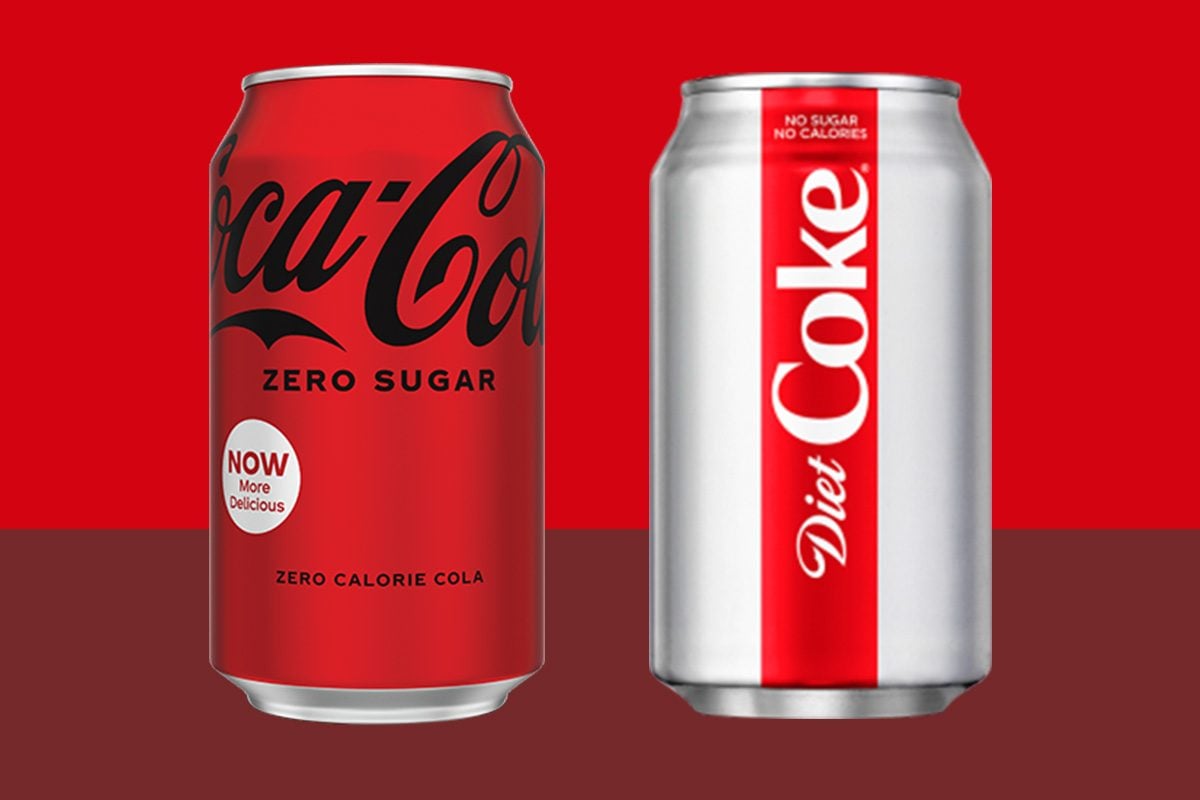
To understand what Coke Zero is from a strategic perspective, one must first understand what it is not: it is not a successor to Diet Coke. While both are zero-calorie offerings, their brand identities are fundamentally distinct, serving as a textbook case of strategic product differentiation.
Dismantling the Gendered Brand Gap
Historically, the “Diet” modifier in soft drinks carried a significant amount of cultural and psychological weight. Research conducted by beverage giants in the early 2000s suggested that a large segment of the consumer base—specifically men—perceived “diet” drinks as feminine, inferior in taste, or simply not intended for them. Coke Zero was designed explicitly to address this market friction. By stripping away the word “diet” and opting for “Zero,” the brand effectively repositioned the product as a performance-oriented alternative rather than a lifestyle-compromised substitute.
Taste-First Strategy
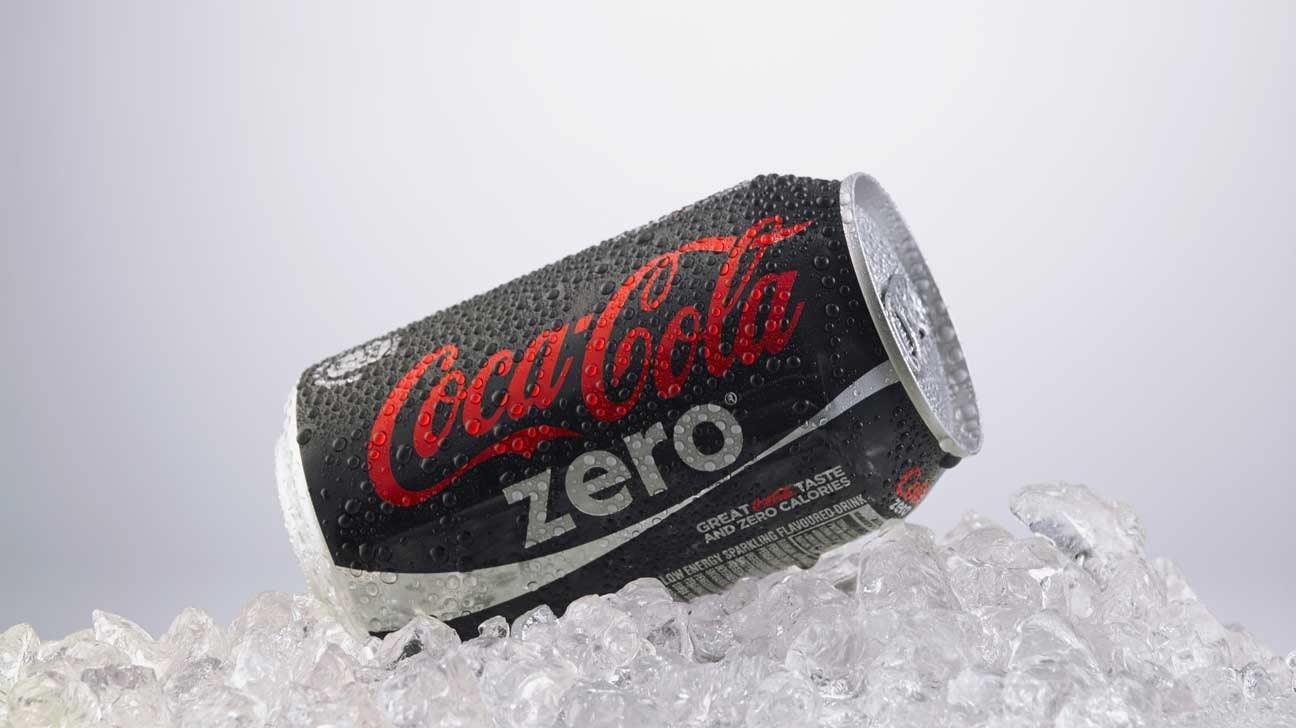
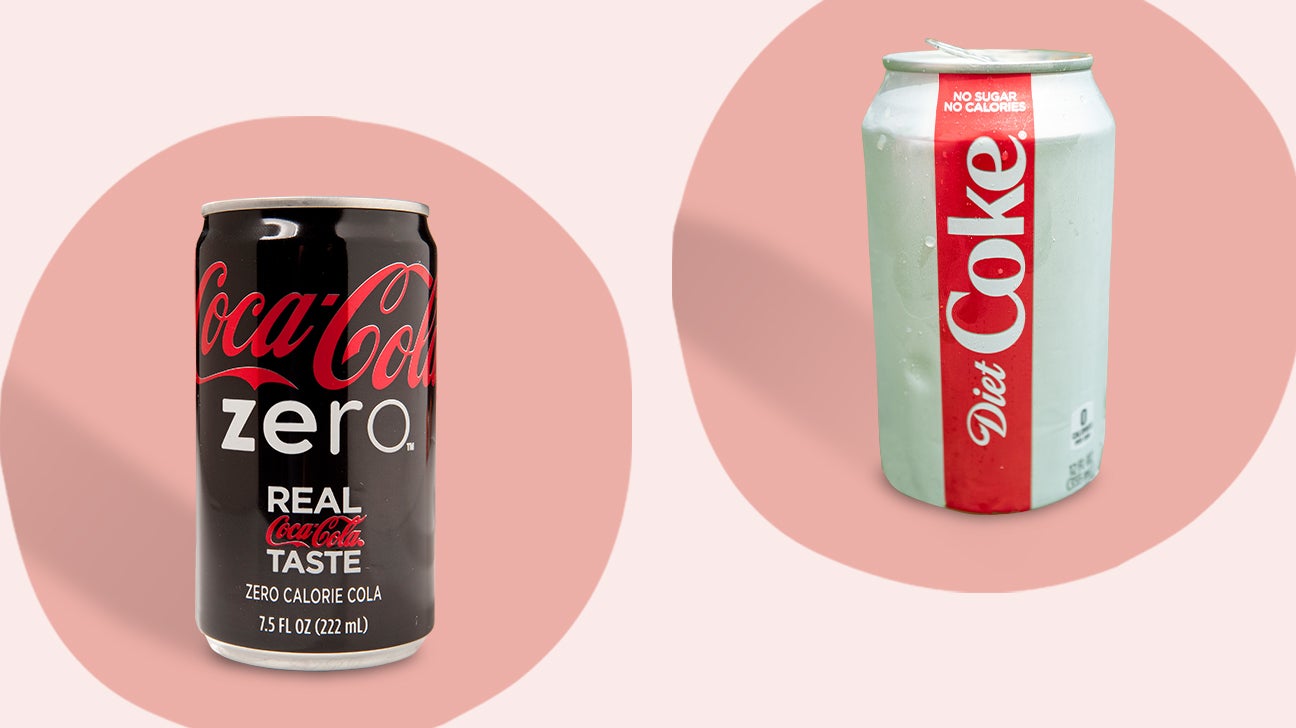
The core of the brand’s value proposition lies in the claim that it offers the “real Coca-Cola taste.” From a brand strategy standpoint, this was a bold move. It positioned the product as the “un-diet” soda. The packaging—shifting from the soft silvers and whites of Diet Coke to the bold, masculine, and aggressive black and red aesthetic—was a deliberate departure from the established visual language of weight-loss-focused beverages. This aesthetic choice transformed the product from a nutritional concession into a mainstream, gender-neutral lifestyle choice.
Strategic Market Segmentation and Lifecycle Management
The introduction of Coke Zero was not merely an addition to a product line; it was a preemptive strike against the declining sales of sugar-sweetened carbonated beverages. As global concerns regarding obesity and metabolic health surged, Coca-Cola recognized that maintaining brand loyalty required providing a functional equivalent to their flagship product that bypassed the health stigma.
The “Sub-Brand” Ecosystem
Coke Zero operates as a sub-brand that protects the “Coca-Cola” master brand. By investing heavily in the “Zero Sugar” nomenclature, the company insulated its primary asset—the classic Coca-Cola formula—from the existential threat posed by the anti-sugar movement. If consumers decide they no longer want to consume sugar, they are not forced to leave the Coca-Cola ecosystem; they are simply migrated to a different, higher-margin product within the same portfolio. This strategy of internal cannibalization is a sophisticated defensive mechanism used by global brands to retain customer lifetime value in volatile markets.
The Power of Reformulation
In 2017, and again in 2021, the company tweaked the formula and rebranded it as “Coca-Cola Zero Sugar.” These shifts were significant strategic maneuvers. Rather than launching an entirely new product, the company leveraged the existing brand equity to introduce a product that tasted even closer to the original. This iterative approach to product development ensures that the brand remains relevant to modern taste profiles while reinforcing the message that the company is listening to its audience. By focusing on the “Zero Sugar” identifier, the company simultaneously improved its standing with health-conscious stakeholders and regulatory bodies without sacrificing the core identity of the soda.
Psychological Branding and Consumer Perception
The success of Coke Zero is deeply rooted in cognitive biases and the power of associative branding. By framing the product as a “zero” experience rather than a “diet” experience, the brand changed the consumer’s internal monologue.
The Illusion of Indulgence
The brilliance of Coke Zero lies in how it frames the consumption experience. Diet products are often viewed through the lens of sacrifice—you are giving up the sugar for a lesser experience. Coke Zero, through its marketing and branding, frames the consumption as an indulgence that happens to lack the negative side effects. The “Real Coke Taste” slogan serves as an anchor, convincing the consumer that they are not sacrificing quality for health. This psychological framing is vital in the beverage industry, where flavor is the primary driver of repeat purchase behavior.
Visual Identity as a Strategic Tool
The visual identity of Coke Zero is perhaps one of the most effective examples of modern minimalist branding. The transition from the classic Spencerian script on a white background to a bold, black-can aesthetic signaled a radical shift in target demographics. In design theory, black is often associated with luxury, premium positioning, and intensity. By adopting this palette, Coke Zero communicated to the consumer that it was a high-performance, serious beverage. This design choice effectively segmented the product away from the “diet” aisle and placed it squarely alongside the “original” Coca-Cola, effectively erasing the status gap between sugar-free and sugar-sweetened options.
Navigating the Future of the Beverage Industry
As we look toward the future, Coke Zero serves as the benchmark for how global brands can pivot their core offerings. The industry is currently facing a “sugar tax” era, where governments worldwide are imposing levies on high-sugar products. Coke Zero’s established presence allows the company to absorb these regulatory shocks with minimal friction.
Defensive Brand Architecture
When a company builds a robust sub-brand like Coke Zero, it creates a defensive moat. By continuously refining the product and aggressively marketing it, the brand ensures that it remains the default choice for the health-conscious consumer. If a competitor launches a new sugar-free alternative, the consumer is less likely to switch because they already identify with the Coca-Cola branding and taste profile. This loyalty is a result of consistent messaging that has remained focused on three pillars: taste, brand identity, and the decoupling of the “diet” stigma.
The Lessons for Modern Brand Managers
For those observing Coke Zero from a brand strategy perspective, the primary lesson is the necessity of adaptability. Brand loyalty is not static; it requires constant maintenance and the willingness to reshape the product’s identity to match the zeitgeist. Coca-Cola managed to take a product that was essentially a replacement for their most famous asset and turn it into a powerhouse that rivals that asset in sales. They achieved this by understanding that they weren’t just selling a drink; they were selling the permission to enjoy the classic cola experience without the health-related guilt.
The success of Coke Zero remains a case study in how to handle a legacy brand in a changing market. It demonstrates that the most successful products are those that solve a genuine consumer tension—in this case, the tension between the craving for a classic taste and the desire for a healthier profile—through clear, decisive, and psychologically sound branding. Coke Zero is more than just a diet soda; it is a meticulously engineered piece of corporate strategy, designed to survive in a world that is increasingly turning away from sugar, but is not yet ready to give up on the brand of Coca-Cola. By aligning product development with shifting cultural values and backing it with a bold, distinct aesthetic, the brand has ensured its relevance for the next generation of consumers.
aViewFromTheCave is a participant in the Amazon Services LLC Associates Program, an affiliate advertising program designed to provide a means for sites to earn advertising fees by advertising and linking to Amazon.com. Amazon, the Amazon logo, AmazonSupply, and the AmazonSupply logo are trademarks of Amazon.com, Inc. or its affiliates. As an Amazon Associate we earn affiliate commissions from qualifying purchases.