
In the fast-paced world of digital innovation, the most successful leaders often draw parallels between the natural rhythms of the Earth and the fluctuating tides of the technology sector. Just as the gravitational alignment of the moon and sun creates a “spring tide”—a period of extreme high and low water marks—the tech industry experiences “spring tides” of its own: moments when market readiness, technological capability, and consumer demand align to create massive, unstoppable waves of disruption. Understanding this phenomenon is essential for any CTO, startup founder, or software architect aiming to ride the next cycle of growth rather than being pulled under by it.
The Mechanics of a Tech Spring Tide
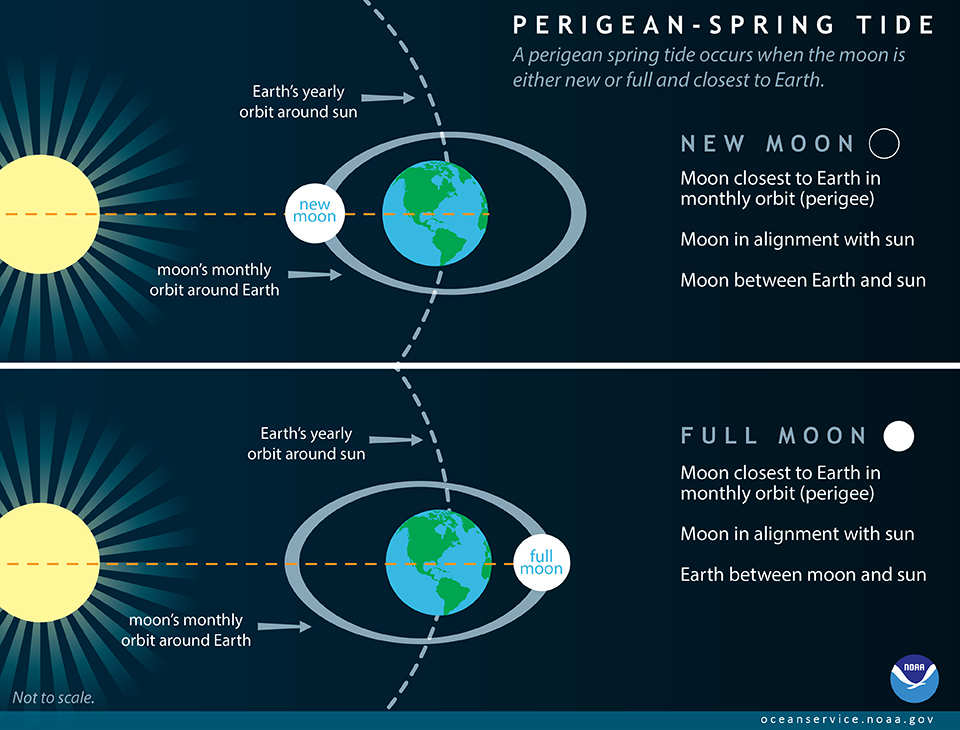
In oceanography, a spring tide occurs when the sun and moon are aligned, causing their gravitational forces to pull in the same direction. In the world of software and hardware, a “spring tide” occurs when three distinct technological forces align: infrastructure maturity, developer tool availability, and a critical mass of early-adopter sentiment.
The Alignment of Infrastructure
Just as the gravitational pull dictates the tide, infrastructure is the gravity of the tech industry. When cloud computing costs dropped significantly around 2015, it triggered a spring tide for SaaS (Software as a Service) platforms. Suddenly, the cost of entry for building robust, scalable applications plummeted. Developers were no longer limited by the physical constraints of on-premise hardware. This infrastructure alignment allowed small teams to build products that could handle millions of concurrent users, effectively raising the “water level” of what a small organization could achieve.
The Catalyst of Developer Ecosystems
The second component is the maturity of the ecosystem. Spring tides in technology happen when open-source libraries and APIs become commoditized. When building a feature no longer requires reinventing the wheel—but instead involves stitching together well-documented, reliable third-party services—the speed of innovation accelerates exponentially. This is the “high tide” phase of development, where the velocity of product shipping hits its peak.
Identifying the Current Tidal Flow: Where Are We Now?
To stay ahead, professionals must be able to read the tide charts of the current digital landscape. We are currently witnessing a spring tide driven by the intersection of Generative AI, edge computing, and decentralized identity verification.
The Generative AI Surge
We are currently in a period of extreme “high water” regarding Large Language Models (LLMs). The alignment here is between massive GPU availability and the democratization of transformer-based architectures. Companies that are ignoring this tide are effectively trying to build on dry land. The current surge isn’t just about the novelty of chatbots; it is about the integration of these models into the existing stack of enterprise software. The “high tide” is providing enough momentum for companies to re-engineer their entire UX/UI workflows, shifting from manual command-line interaction to natural language intent.
Edge Computing and Real-Time Processing
While AI is the flashy wave, edge computing is the deep-water current beneath it. With the proliferation of IoT devices and high-bandwidth requirements, the “spring tide” here is the shift from centralized cloud processing to decentralized processing at the edge. The alignment of 5G connectivity and low-latency silicon chips is enabling a new class of applications—autonomous robotics, hyper-local spatial computing, and real-time biometric analysis—that were simply impossible to deploy five years ago.
Risk Management: Avoiding the Low Tide
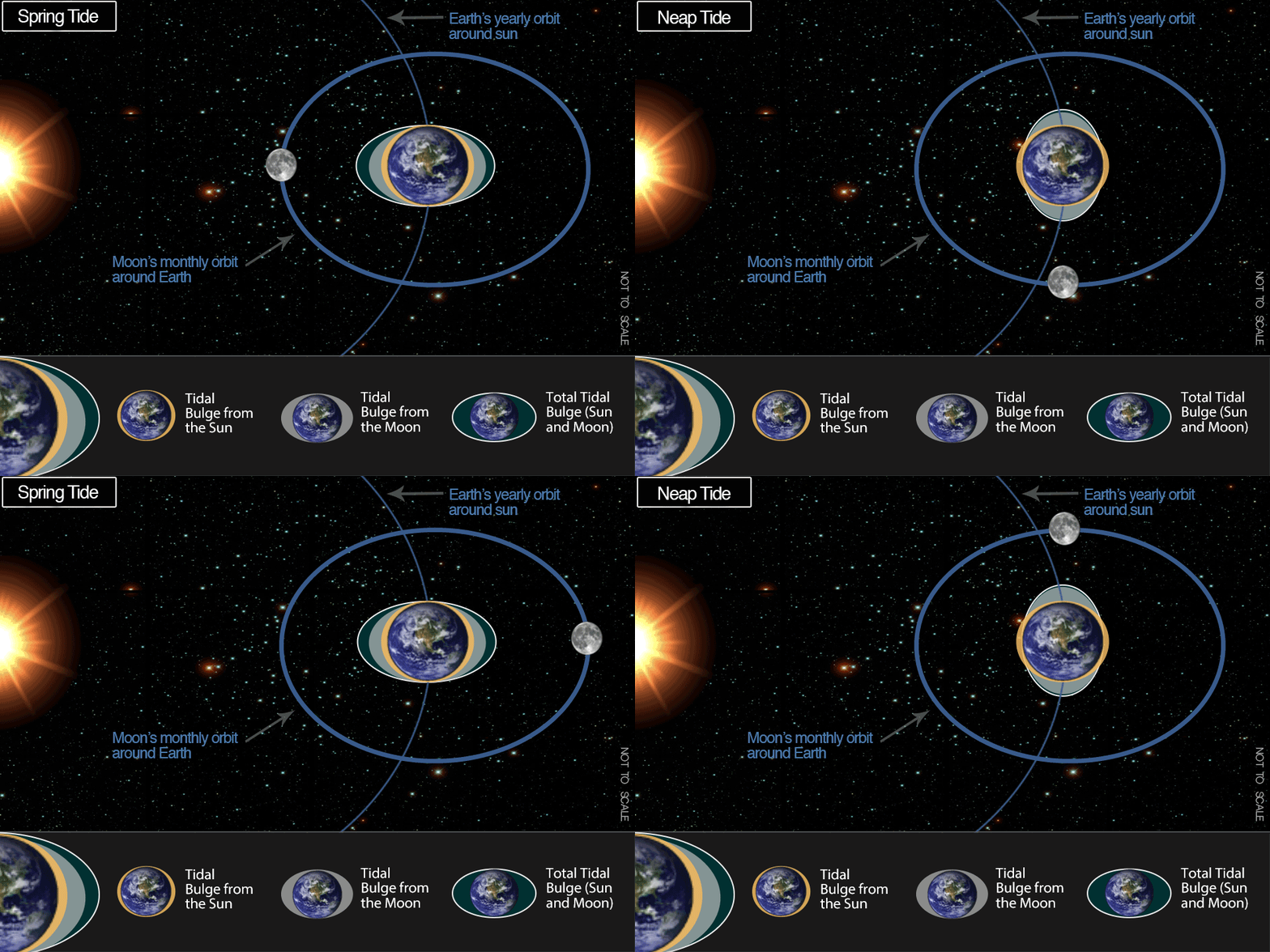
Every spring tide, by definition, is followed by a period of extreme lows. In technology, these are the “troughs of disillusionment” or the busts that follow a period of irrational exuberance. Understanding how to navigate the low tide is just as important as riding the wave.
The Trap of Over-Capitalization
During a tech spring tide, capital flows freely. Venture funding, public interest, and marketing hype all surge in the same direction. The danger for tech leaders is confusing a rising tide for their own navigational skill. When the market is flooded with liquidity, bad business models can survive. Smart organizations use the high tide to fortify their foundations—reducing technical debt, securing stable recurring revenue, and diversifying their tech stack—rather than over-extending on vanity metrics.
Building for Resilience
The most resilient companies build systems that are “tide-agnostic.” This means prioritizing modularity. By designing software architectures that are loosely coupled, organizations ensure that if the current “wave” of AI or blockchain technology crests and recedes, they can swap out the underlying engine without destroying the ship. This modular approach to development is the ultimate insurance policy against the unpredictable cycles of the tech industry.
Riding the Wave: Strategies for Modern Tech Leaders
If you are a CTO or a product strategist, your goal is to be in the right place when the tide comes in. But how do you predict the alignment?
Leveraging Foresight Over Hype
True technological tides are rarely sudden; they are usually the result of long-term shifts in underlying physics or economic necessity. To spot the next spring tide, look at the “boring” parts of the industry. Where is the friction? Where is the developer experience still unnecessarily difficult? When you find a bottleneck that is becoming economically painful for the industry, you have found the focal point where the next tide will begin.
Creating Your Own Micro-Tides
While macro-tides (like the rise of the internet or AI) are external forces, successful organizations learn to create “micro-tides.” Through strategic acquisitions, open-source evangelism, or the creation of proprietary APIs, companies can generate their own momentum. By becoming the standard that others build upon, you are essentially creating the “lunar gravity” for your niche, forcing the rest of the market to align with your platform’s direction.
Conclusion: Mastering the Cycle
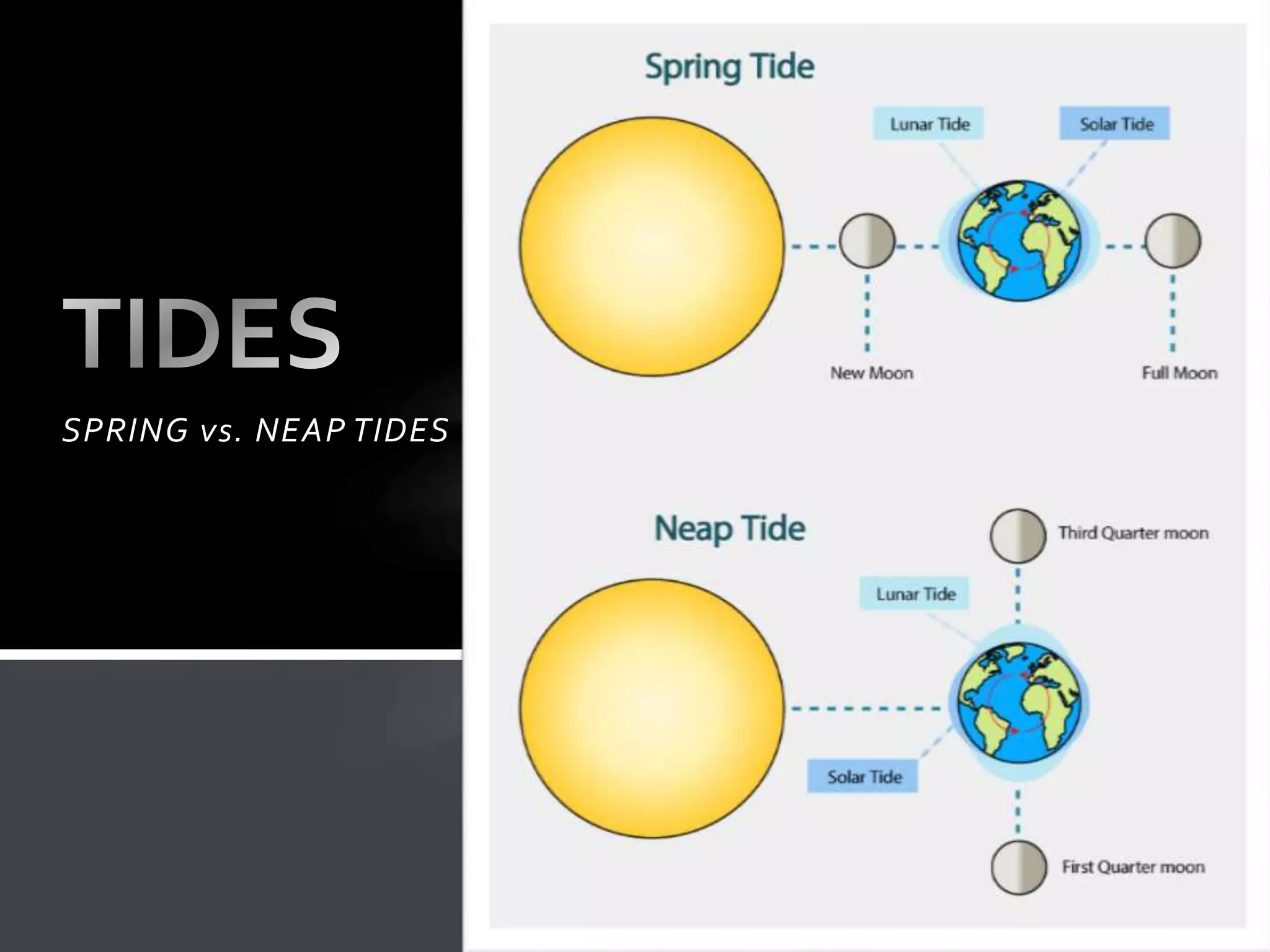
A spring tide is not a permanent state; it is a point of maximum intensity. The most successful tech companies are those that recognize when they are in a period of high water—the “build” phase—and when they need to prepare for the inevitable retreat.
The digital landscape is inherently cyclical. New languages, frameworks, and hardware paradigms will continue to emerge, aligning and misaligning in an eternal dance of creative destruction. By focusing on fundamental technical excellence, modular architecture, and a disciplined approach to market timing, tech leaders can ensure that they are not just victims of the tide, but masters of the waters. The next spring tide is already forming on the horizon—the only question is whether your stack is ready to ride it, or if you will be left waiting on the shore for the next cycle to begin.
In this era of rapid-fire innovation, the ability to read the tide is the ultimate competitive advantage. It requires constant surveillance of the underlying tectonic shifts—the data rates, the energy efficiency, the latency, and the shifting needs of the global workforce. Keep your eyes on the horizon, keep your architecture light and flexible, and prepare for the surge. The tide is coming.
aViewFromTheCave is a participant in the Amazon Services LLC Associates Program, an affiliate advertising program designed to provide a means for sites to earn advertising fees by advertising and linking to Amazon.com. Amazon, the Amazon logo, AmazonSupply, and the AmazonSupply logo are trademarks of Amazon.com, Inc. or its affiliates. As an Amazon Associate we earn affiliate commissions from qualifying purchases.