
The Starbucks Lexicon: Decoding the Language of Size
Starbucks has cultivated one of the most recognizable brand identities in the world, not just through its coffee, but through the specific vocabulary it requires customers to learn. When a new customer walks into a Starbucks, they are often confronted with a linguistic hurdle: the sizes are not labeled as Small, Medium, and Large. Instead, they are greeted by names rooted in the company’s Italian-inspired branding strategy. Understanding why a “Small” isn’t called a small is central to grasping the brand architecture that transformed a Seattle coffee shop into a global lifestyle symbol.
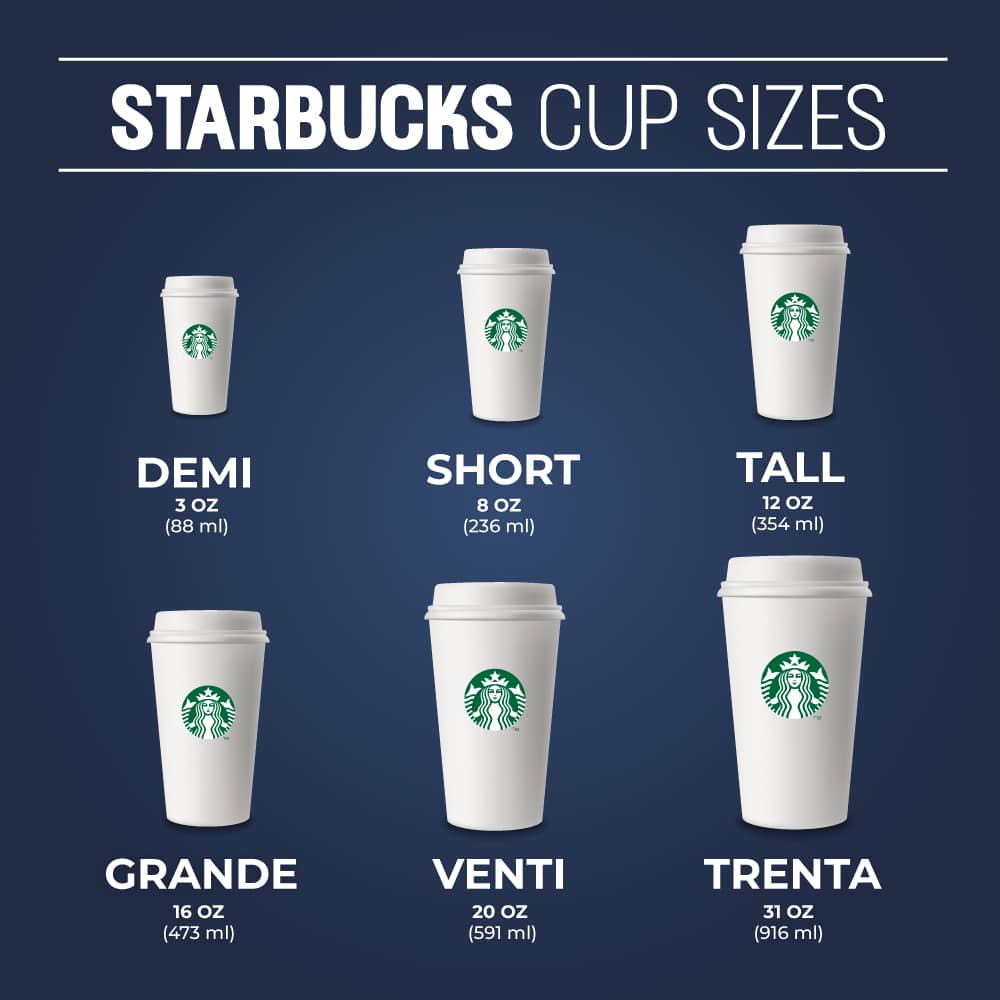
The “Small” at Starbucks is officially known as the Short. While it is rarely listed on the menu boards—which typically highlight the Tall, Grande, and Venti—the Short remains an integral, if understated, part of the brand’s identity. To understand this, one must look at how brand naming influences consumer perception and operational flow.
The Strategy Behind the Size: Branding as an Experience
From a marketing perspective, the naming convention at Starbucks serves as a differentiator. By eschewing standard industry terminology, Starbucks effectively creates an “in-group” feeling for its customers. When a patron confidently orders a “Grande” instead of a “Medium,” they are signaling familiarity with the brand’s unique culture. This is a deliberate exercise in corporate identity—transforming a mundane transaction into a branded experience.
The Origin of the Italian Nomenclature
The current naming system was largely inspired by Howard Schultz, the former CEO who took inspiration from the espresso bars of Italy. When he brought the concept back to the United States, he sought to emulate the authentic atmosphere of European coffee culture. By adopting terms like “Grande” (large) and “Venti” (twenty, representing 20 ounces), Starbucks repositioned its coffee not as a commodity, but as a premium product. This branding strategy elevated the perception of the coffee from a simple caffeine delivery system to an artisanal product.
The Psychology of Choice
Marketing psychologists often point to the Starbucks menu as a masterclass in anchoring. By listing sizes that start at Tall (12 ounces) and go up to Venti (20 ounces) and Trenta (31 ounces), the company subtly guides the customer toward larger, more expensive options. The “Short” (8 ounces) occupies a niche position; it is effectively hidden from the primary menu board to prevent it from acting as a default choice. By making the smaller size less visible, the brand manages to increase the average transaction value—a classic tactic in corporate revenue management.
Operational Efficiency and Brand Consistency
The specific sizing labels at Starbucks are not merely for show; they are deeply embedded in the company’s internal operations and logistics. Every cup, sleeve, and lid is designed around these specific volumes. Consistency in branding requires that a “Grande” in New York must be identical in volume to a “Grande” in Tokyo or London.
Standardization and Quality Control
When a brand scales globally, uniformity becomes the greatest challenge. By using its own proprietary sizing system, Starbucks creates a global standard that transcends language barriers. A customer traveling abroad doesn’t need to learn the local language for a coffee size; they simply use the Starbucks lexicon, which is understood in thousands of locations worldwide. This consistency is the backbone of the brand’s global identity.
The Role of the “Short” in Menu Architecture
Despite its lack of prominence on the menu, the Short is a critical component for specific customer segments. It is the ideal size for a traditional, high-intensity espresso-based drink, such as a cappuccino or an extra-hot latte. Because the Short has less milk than a Grande, the flavor profile of the espresso is significantly more pronounced. Serious coffee drinkers—those who value the taste of the bean over the sugar content of a massive Frappuccino—frequently opt for the Short. Keeping it on the menu demonstrates that the brand still respects its roots in “third-wave” coffee, even as it manages a mass-market operation.
Navigating the Starbucks Menu as a Consumer
For the average consumer, the Starbucks naming convention can feel intimidating. However, understanding the system empowers the customer to tailor their experience. The “Small” is not just a size; it is a choice to prioritize quality, temperature, and intensity over volume.
Translating the Sizes
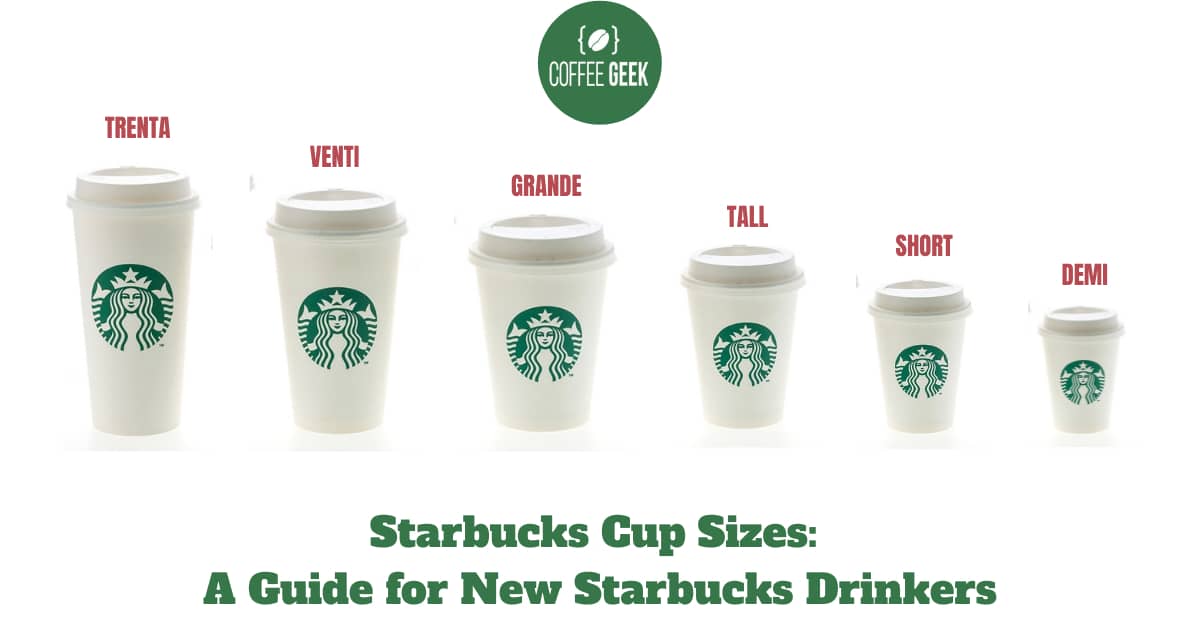
To navigate the menu successfully, it helps to visualize the hierarchy of volumes:
- Short (8 oz): The actual “small.” Perfect for those who want a quick, potent caffeine hit without the filler of excessive milk or syrup.
- Tall (12 oz): Historically the smallest size, now functionally the entry-level offering for most hot beverages.
- Grande (16 oz): The “medium.” This is the industry standard for most coffee chains.
- Venti (20 oz/24 oz): The “large.” It represents the intersection of convenience and value for the modern commuter.
- Trenta (31 oz): The “extra-large,” reserved strictly for cold beverages.
Strategic Ordering
When you understand what a “Small” actually represents, you gain leverage in your consumer choices. If you are ordering a drink with complex flavor profiles, such as a specialty single-origin roast, the Short is almost always the superior choice. The smaller volume allows the heat to be maintained longer and ensures the drink-to-foam ratio is exactly as the barista intended. By opting for a Short, you are effectively engaging in a more sophisticated consumption experience.
The Future of Brand Identity in the Coffee Industry
As Starbucks continues to evolve, its sizing system remains one of its most durable brand assets. While competitors have attempted to replicate the model, few have achieved the same level of ubiquity. The success of these names—Short, Tall, Grande, Venti—proves that a strong brand identity is not just about a logo; it is about the language a company uses to define the relationship it has with its customers.
Beyond the Cup
The Starbucks naming convention has permeated pop culture to the point where “Grande” is now synonymous with “Medium” in the broader lexicon of American coffee culture. This is the ultimate goal of any brand strategy: to become the standard by which all other competitors are measured. Starbucks has successfully defined the landscape of the modern coffee shop, ensuring that even when a customer visits a non-Starbucks establishment, they often default to the terminology they learned at the green-aproned counter.

Conclusion: The Value of the Small
Ultimately, identifying what a “Small” is in Starbucks—the Short—is more than just knowing a menu secret. It is an exploration of how a company uses branding to control, inform, and elevate the customer experience. Whether you are a casual fan of seasonal cold brews or a dedicated espresso enthusiast, recognizing the intent behind these sizes allows you to appreciate the precision of the Starbucks business model. The next time you find yourself at the counter, remember that while the Venti might be the most popular, the Short is the most authentic expression of the brand’s original identity.
aViewFromTheCave is a participant in the Amazon Services LLC Associates Program, an affiliate advertising program designed to provide a means for sites to earn advertising fees by advertising and linking to Amazon.com. Amazon, the Amazon logo, AmazonSupply, and the AmazonSupply logo are trademarks of Amazon.com, Inc. or its affiliates. As an Amazon Associate we earn affiliate commissions from qualifying purchases.